
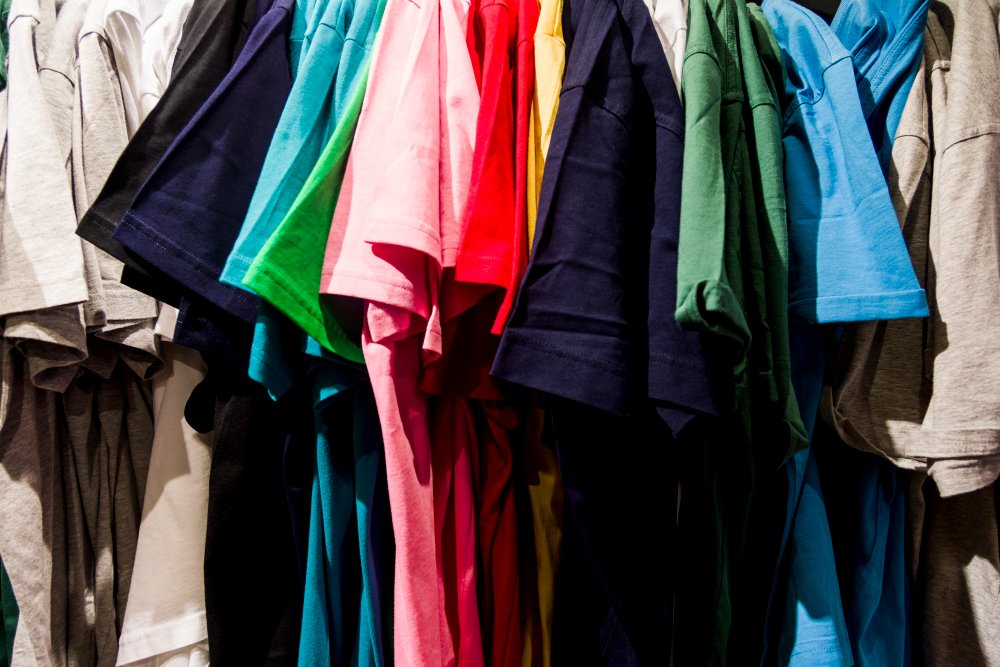
Consistent product quality is one of the most important factors that influence customer trust, brand reputation, and long-term success in the apparel industry. Consumers expect plain shirts to maintain the same comfort, fit, durability, and appearance across different production batches and repeated purchases. The Best Plain Shirt Brand Philippines achieves this consistency through strict quality control systems, standardized manufacturing processes, reliable material sourcing, and continuous product evaluation. Maintaining uniform quality helps reduce product defects, improve customer satisfaction, and strengthen brand credibility in competitive retail and corporate markets.
Understanding how leading plain shirt brands maintain consistent product standards helps businesses and consumers identify apparel providers capable of delivering reliable and long-lasting garments.
Fabric Sourcing Supports Consistent Quality
Reliable Suppliers Improve Material Standards
Consistent shirt quality begins with sourcing fabrics from dependable suppliers that maintain stable production standards. Reliable fabric providers deliver uniform texture, thickness, color, and durability across manufacturing batches. Stable material quality improves garment consistency significantly. Strong supplier relationships support long-term production reliability.
Fabric Testing Reduces Performance Variations
Leading apparel brands regularly test fabrics for shrinkage, colorfastness, breathability, and durability before production begins. Testing helps identify material inconsistencies that may affect comfort or garment lifespan. Early evaluation improves quality control and operational efficiency. Proper testing strengthens final product performance.
Standardized Manufacturing Improves Consistency
Controlled Production Processes Reduce Errors
Standardized manufacturing procedures help ensure every shirt follows the same construction methods, stitching specifications, and measurement guidelines. Controlled workflows reduce production inconsistencies caused by human error or operational variations. Organized systems improve product reliability significantly. Standardization supports stable manufacturing quality.
Machine Calibration Maintains Accuracy
Production equipment must remain properly calibrated to maintain accurate cutting, stitching, and sizing during manufacturing. Poorly adjusted machines may create uneven seams, incorrect dimensions, or inconsistent garment shapes. Regular calibration improves production precision and quality consistency. Accurate machinery supports reliable garment construction.
Quality Control Improves Product Reliability
Multi-Stage Inspections Detect Defects
The Best Plain Shirt Brand Philippines often performs inspections at different production stages to identify defects before garments reach customers. Fabric checks, stitching evaluations, and final product reviews help minimize issues such as loose threads, uneven sizing, or printing flaws. Early detection improves operational efficiency and customer satisfaction. Thorough inspections strengthen product reliability.
Final Product Reviews Ensure Consistency
Before distribution, finished garments typically undergo final evaluations for appearance, construction quality, sizing accuracy, and packaging standards. Consistent final inspections help maintain uniform quality across all retail or wholesale orders. Strong review systems improve customer confidence and brand reputation. Reliable inspections support long-term consistency.
Accurate Sizing Maintains Customer Satisfaction
Standard Measurements Improve Fit Consistency
Consistent sizing is essential for customer trust, especially for repeat buyers expecting the same fit across multiple purchases. Leading apparel brands follow standardized measurement systems during cutting and sewing processes. Accurate sizing improves comfort and purchasing confidence. Stable measurements strengthen customer loyalty.
Size Verification Prevents Production Variations
Quality control teams often verify garment dimensions throughout production to ensure size consistency across different manufacturing batches. Regular measurement checks reduce fit-related complaints and product returns. Accurate verification improves operational reliability and consumer satisfaction. Consistent sizing supports stronger brand credibility.
Stitching Quality Improves Durability
Reinforced Seams Increase Garment Lifespan
Durable stitching methods help plain shirts maintain structural integrity despite frequent washing and daily wear. Reinforced seams reduce the likelihood of tearing, fraying, or stretching over time. Strong stitching improves product reliability and long-term value. Durable construction supports customer satisfaction.
Thread Consistency Improves Appearance
Uniform stitching tension and thread quality help maintain clean seams and professional garment appearance. Inconsistent stitching may affect comfort, durability, and overall visual presentation. Controlled sewing quality improves operational standards significantly. Precise stitching strengthens product consistency.
Dyeing Processes Affect Color Consistency
Controlled Dyeing Improves Uniformity
Color consistency is critical for plain shirts sold across multiple batches, especially for corporate uniforms or retail collections. Controlled dyeing processes help ensure fabric colors remain uniform throughout production. Stable color output improves product appearance and branding reliability. Accurate dyeing strengthens manufacturing consistency.
Fade Resistance Supports Long-Term Quality
High-quality plain shirt brands often test fabrics for resistance to fading caused by washing, sunlight, and environmental exposure. Better color retention improves garment lifespan and customer satisfaction. Durable colors maintain professional appearance longer. Strong dye stability supports better product value.
Fabric Cutting Precision Improves Construction
Accurate Cutting Maintains Shape Consistency
Precise fabric cutting ensures each garment follows the same dimensions and structural proportions during production. Inaccurate cutting may create uneven fits, distorted seams, or inconsistent appearance across products. Proper cutting improves garment balance and manufacturing quality. Precision strengthens overall consistency.
Layer Alignment Reduces Variations
During bulk production, fabric layers must remain properly aligned to ensure accurate cutting across multiple garments simultaneously. Misalignment may lead to sizing inconsistencies and production waste. Controlled alignment improves operational efficiency and product reliability. Proper handling supports manufacturing accuracy.
Employee Training Supports Production Standards
Skilled Workers Improve Manufacturing Quality
Experienced production teams understand the importance of precision, consistency, and quality control throughout the garment manufacturing process. Skilled workers reduce production mistakes and maintain higher operational standards during sewing, cutting, and finishing stages. Strong workforce training improves product reliability. Skilled labor supports long-term consistency.
Ongoing Training Improves Operational Performance
Apparel manufacturing techniques and quality standards continue evolving with industry demands and production technologies. Ongoing employee training helps maintain updated production practices and consistent workmanship across operations. Continuous learning improves efficiency and garment quality. Well-trained teams strengthen manufacturing stability.
Customer Feedback Improves Product Development
Consumer Reviews Reveal Product Issues
Leading apparel brands monitor customer feedback carefully to identify recurring concerns related to sizing, comfort, durability, or fabric quality. Consumer insights help brands improve manufacturing processes and product standards over time. Feedback analysis strengthens operational improvement strategies. Customer input supports long-term quality management.
Repeat Buyers Reflect Product Reliability
Strong customer retention often indicates stable product quality and positive purchasing experiences. Repeat buyers trust brands that consistently deliver reliable garments matching previous expectations. Long-term customer loyalty strengthens brand reputation and market credibility. Reliable products improve business sustainability.
Inventory and Storage Affect Product Quality
Proper Storage Preserves Fabric Condition
Finished shirts must be stored in controlled environments to protect them from moisture, dust, sunlight, and temperature fluctuations that may affect fabric quality. Proper storage conditions help preserve garment appearance and structural integrity before distribution. Controlled environments improve product reliability. Good storage supports long-term quality maintenance.
Organized Inventory Reduces Product Damage
Efficient inventory handling minimizes unnecessary folding pressure, stacking damage, or contamination during warehousing and transportation. Careful handling helps garments maintain shape and presentation throughout the supply chain. Organized logistics improve customer satisfaction and product consistency. Proper inventory systems strengthen operational efficiency.
Key Takeaway
Maintaining consistent product quality requires careful management of fabric sourcing, manufacturing processes, quality control systems, employee training, and customer feedback throughout the apparel production cycle. The Best Plain Shirt Brand Philippines achieves reliable performance by using standardized production methods, accurate sizing systems, durable stitching techniques, controlled dyeing processes, and strict inspection procedures that ensure garments maintain consistent comfort, appearance, and durability across different production batches.
Strong supplier partnerships, precision cutting, and proper inventory management further improve long-term product reliability and customer satisfaction. Continuous evaluation and operational improvement also help brands adapt to changing consumer expectations while maintaining stable quality standards.
