
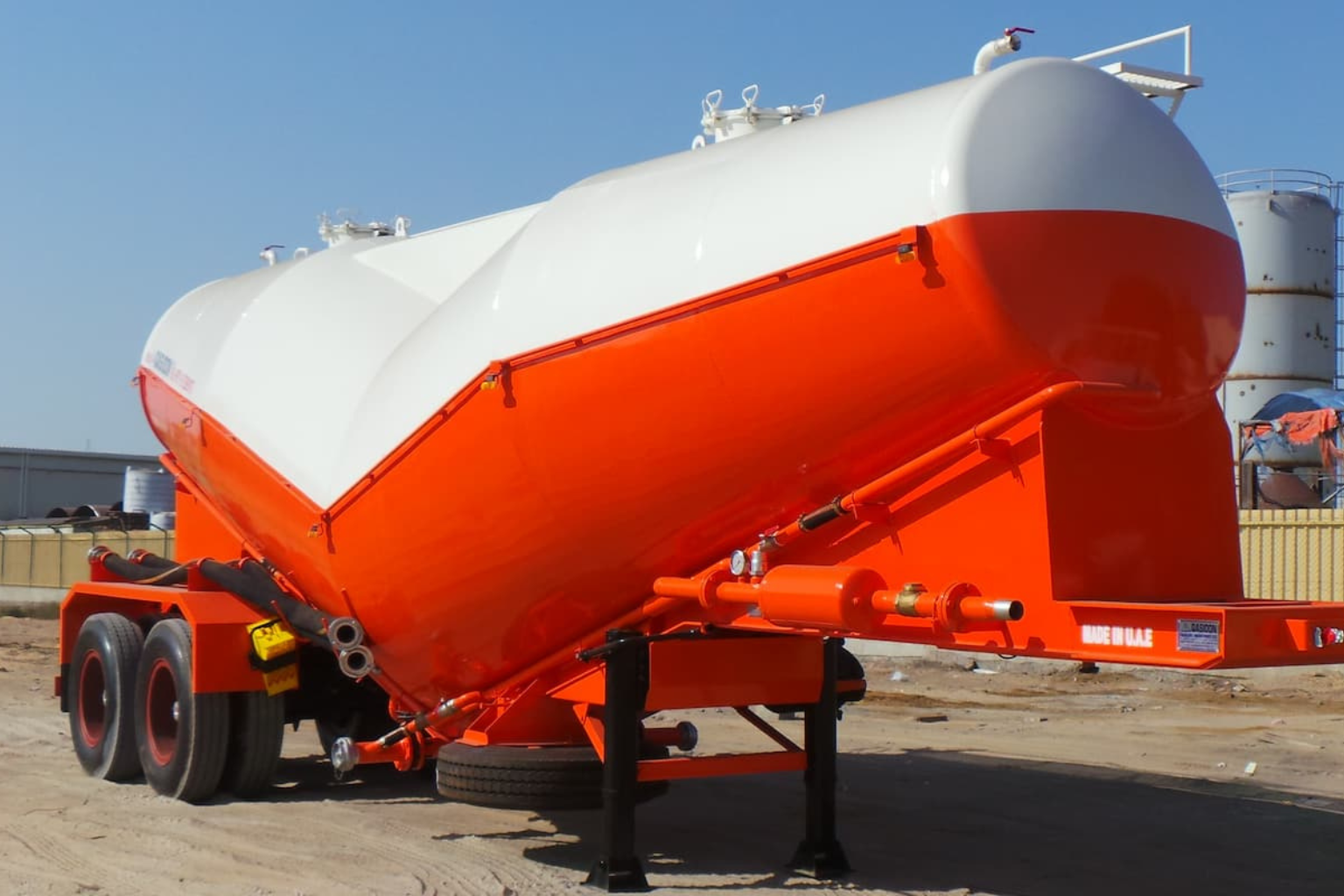
Industrial operations across the GCC depend on high-performance equipment designed to handle extreme pressure, temperature variations, and complex chemical processes. From oil refineries and petrochemical plants to manufacturing facilities and energy production units, pressure-based systems are central to modern industry.
In this ecosystem, a Pressure Vessel Manufacturer plays a critical role in designing and producing specialized containers that safely store gases, liquids, and chemical substances under controlled pressure conditions. These engineered systems are essential for ensuring operational safety, efficiency, and regulatory compliance across multiple industries.
Pressure vessels are not simple storage units. They are highly engineered structures built to withstand internal forces that would otherwise damage conventional containers. Their reliability directly impacts industrial performance and workplace safety.
Importance of Pressure Systems in Industrial Operations
Many industrial processes rely on controlled pressure environments to function efficiently. These include chemical reactions, fuel storage, gas processing, and energy generation systems.
Without properly designed pressure vessels, industries would face serious risks such as leaks, explosions, or process failures.
Safe pressure containment ensures smooth and continuous industrial operations.
Supporting Critical Industrial Functions
Pressure systems are used in nearly every major industrial sector.
They help store compressed gases, support chemical processing, and enable energy transfer systems.
This makes them indispensable for modern industrial infrastructure.
Engineering Standards and Safety Requirements
Pressure vessels must be designed according to strict engineering codes and international safety standards.
Materials used in construction must withstand high stress, corrosion, and temperature fluctuations.
Quality assurance is a key part of manufacturing to ensure long-term reliability.
Ensuring Structural Integrity
Structural integrity is the foundation of pressure vessel safety.
Even minor design flaws can lead to catastrophic failure.
Advanced engineering techniques ensure that vessels perform reliably under extreme conditions.
Role in Oil, Gas, and Energy Sectors
The oil and gas industry is one of the largest users of pressure vessels.
These systems are used for gas separation, storage, refining, and transportation processes.
They ensure that energy production remains efficient and safe.
Supporting High-Risk Operations
Energy production involves handling highly flammable and pressurized materials.
Pressure vessels help control and contain these substances safely.
This reduces operational risks and improves system reliability.
Integration with Fuel and Storage Systems
Pressure systems often work alongside fuel storage and distribution infrastructure.
A Fuel Bowser Trailer UAE supports mobile fuel delivery operations, ensuring continuous supply to industrial and remote sites.
When combined with pressure systems, they create a complete energy handling ecosystem.
Enhancing Industrial Logistics Coordination
Fuel storage, transport, and pressure systems must work in sync for efficient operations.
Proper coordination reduces downtime and improves resource availability.
This strengthens overall industrial logistics efficiency.
Applications in Manufacturing and Processing Industries
Manufacturing industries use pressure vessels for heating, mixing, and chemical processing.
These systems ensure controlled environments for producing high-quality goods.
They also help maintain consistency in industrial output.
Improving Production Efficiency
Controlled pressure environments allow faster and more precise chemical reactions.
This improves productivity and reduces production errors.
Efficient systems help manufacturers maintain competitive performance.
Safety Systems and Risk Prevention
Safety is the most important aspect of pressure vessel design.
Systems include pressure relief valves, monitoring sensors, and emergency shutdown mechanisms.
These features help prevent accidents and ensure operational safety.
Preventing Industrial Accidents
Overpressure situations can lead to dangerous failures.
Safety mechanisms automatically regulate pressure levels to avoid risk.
This ensures safer industrial environments.
Contribution to Infrastructure Development
Pressure vessels are also used in infrastructure-related applications such as water treatment, energy distribution, and industrial utilities.
A Storage Tanks Manufacturer often complements pressure vessel systems by providing large-scale storage infrastructure for liquids and bulk materials.
Together, these systems support major infrastructure projects.
Strengthening Utility Systems
Utilities such as water supply and energy distribution rely on pressure-controlled systems.
Reliable equipment ensures uninterrupted service delivery.
This supports urban development and public infrastructure stability.
Technological Advancements in Pressure Vessel Design
Modern pressure vessels incorporate advanced materials and digital monitoring systems.
Improved alloys, welding techniques, and automation have significantly enhanced performance.
These innovations increase safety and operational efficiency.
Enhancing Monitoring Capabilities
Smart sensors provide real-time data on pressure, temperature, and structural health.
This allows operators to detect issues before they become critical.
Predictive maintenance improves system reliability.
Supporting Sustainable Industrial Growth
Sustainability is becoming a key focus in industrial development.
Efficient pressure systems reduce energy consumption and material waste.
They also help industries comply with environmental regulations.
Reducing Environmental Impact
Optimized systems minimize leaks and emissions.
This contributes to cleaner and safer industrial operations.
Sustainable engineering supports long-term growth goals.
Conclusion
Modern industrial systems depend on advanced engineering solutions that ensure safety, efficiency, and reliability. Pressure systems play a central role in maintaining controlled environments for critical industrial processes.
A Pressure Vessel Manufacturer provides essential infrastructure that supports energy production, manufacturing, and chemical processing industries across the GCC. Their products ensure safe containment of high-pressure substances while improving operational performance.
Alongside systems such as a Fuel Bowser Trailer UAE and a Storage Tanks Manufacturer, pressure vessel technology forms an integrated industrial framework that strengthens safety standards, enhances productivity, and supports long-term regional development.
