
Modern residential communities are designed to offer comfort, convenience, and a sense of belonging. However, these benefits depend not only on architecture and amenities but also on how well the space is organized and communicated. This is where Multifamily Housing Signage plays an essential role.
From apartment complexes to large residential developments, signage helps residents and visitors navigate spaces, identify buildings, and understand community rules. Well-designed signage systems improve both functionality and overall living experience.
What Is Multifamily Housing Signage
Multifamily Housing Signage refers to the collection of signs used within residential communities that contain multiple housing units. These include apartment complexes, condominiums, gated communities, and mixed-use residential developments.
These signs serve various purposes such as identification, direction, safety communication, and branding. They help create a structured environment where residents can easily find their way around the property.
In well-managed communities, signage is an important part of daily life that often goes unnoticed but plays a major role in organization and comfort.
Why Signage Is Essential in Residential Communities
Large residential properties often include multiple buildings, parking areas, mail centers, fitness facilities, and recreational spaces. Without clear signage, navigating these areas can become confusing.
Multifamily Housing Signage ensures that residents and visitors can easily locate their destinations without frustration. Clear building numbers, directional arrows, and labeled amenities reduce confusion and improve efficiency.
For property managers, this also means fewer inquiries and smoother operations within the community.
Enhancing First Impressions
The entrance of a residential community sets the tone for the entire property. Well-designed signage at the entrance creates a welcoming and professional appearance.
Monument signs, illuminated displays, and branded entry signage help establish identity and prestige. These visual elements communicate that the property is well-maintained and thoughtfully designed.
A strong first impression can significantly influence prospective tenants when deciding whether to rent or buy within a community.
Improving Navigation and Accessibility
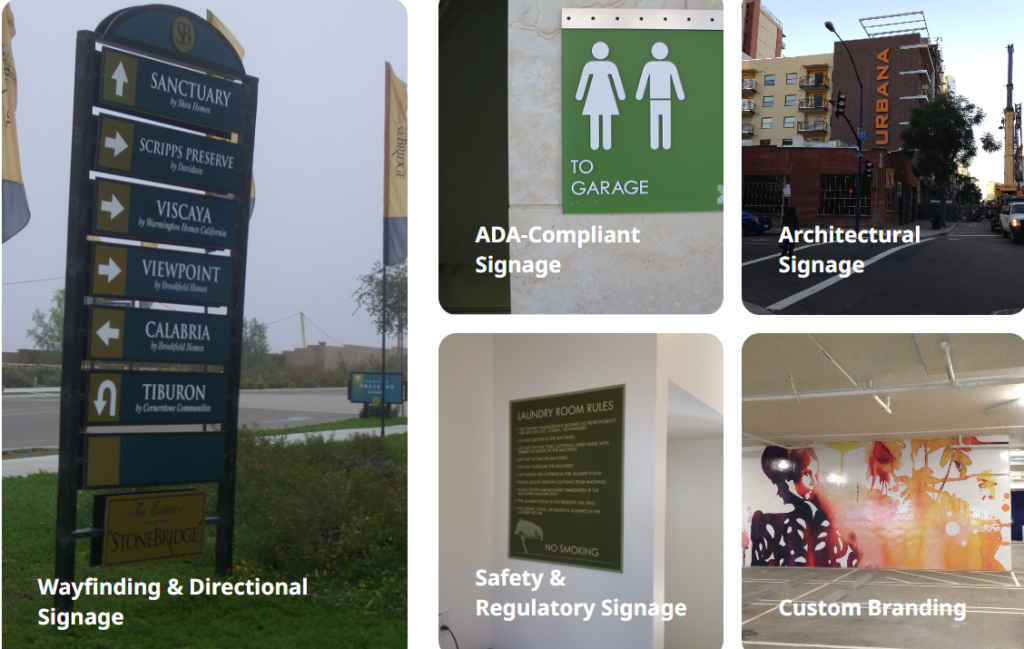
One of the primary functions of Multifamily Housing Signage is to improve navigation. Clear and consistent signage helps residents and guests move through the property with ease.
Directional signs guide individuals to parking areas, leasing offices, elevators, and recreational facilities. Building identifiers ensure that each unit is easy to locate.
Accessibility is also a key factor. Proper signage helps individuals with disabilities navigate the community more comfortably, especially when ADA compliant features are included.
Supporting Safety and Compliance
Safety is a critical aspect of any residential environment. Signage plays a key role in communicating important safety information such as emergency exits, fire lanes, and restricted areas.
Clear instructions during emergencies can make a significant difference in ensuring resident safety. Well-placed signs help people respond quickly and correctly in urgent situations.
Additionally, compliance with local regulations and building codes often requires specific signage standards within multifamily properties.
Strengthening Community Branding
Multifamily communities are increasingly focused on branding to attract and retain residents. Signage is a powerful tool for reinforcing that brand identity.
Custom-designed signage can incorporate colors, typography, and logos that reflect the personality of the community. Whether the property aims for luxury, family-friendly, or modern urban living, signage helps communicate that identity consistently.
This cohesive visual experience enhances the overall appeal of the property.
Companies like OC Sign Group specialize in creating customized signage solutions that align with branding goals while maintaining functionality and durability.
Types of Multifamily Housing Signage
Residential communities use a variety of signage types to meet different needs.
Monument and Entrance Signs
These signs create the first impression and establish property identity at entry points.
Directional Signs
Used throughout the property to guide residents and visitors to key locations.
Building Identification Signs
These clearly label buildings, units, or blocks within the community.
Amenity Signs
These identify shared spaces such as pools, gyms, clubhouses, and mailrooms.
Safety and Regulatory Signs
These communicate rules, warnings, and emergency instructions to ensure safety and compliance.
The Role of Design and Materials
Design quality is essential for effective signage. Fonts must be readable, colors must contrast well, and layouts must be simple and intuitive.
Material selection also matters. Outdoor signage must withstand weather conditions while maintaining appearance over time. Common materials include aluminum, acrylic, and illuminated LED components.
Well-designed signage not only serves a functional purpose but also enhances the visual appeal of the property.
Long Term Value for Property Owners
Investing in high-quality Multifamily Housing Signage offers long-term benefits for property owners and managers. It improves resident satisfaction, enhances property value, and reduces operational challenges.
Clear signage reduces confusion, minimizes complaints, and helps create a more organized living environment.
Over time, this contributes to higher tenant retention and a stronger reputation in the rental market.
Conclusion
Multifamily Housing Signage is an essential component of modern residential communities. It improves navigation, strengthens branding, enhances safety, and creates a more enjoyable living experience for residents.
As housing developments continue to grow in size and complexity, effective signage becomes even more important. Properties that invest in well-designed signage systems benefit from improved organization, stronger identity, and increased resident satisfaction.
FAQs
1. What is Multifamily Housing Signage?
It refers to all signage used in residential communities such as apartment complexes and condominiums for navigation, safety, and branding.
2. Why is signage important in multifamily housing?
It helps residents and visitors navigate the property easily and improves overall community organization.
3. What types of signage are used in residential communities?
Common types include entrance signs, directional signs, building identification signs, amenity signs, and safety signs.
4. How does signage improve property value?
Professional signage enhances curb appeal, strengthens branding, and improves resident experience, all of which increase property value.
5. Can signage be customized for each property?
Yes, signage can be fully customized to match the branding, design, and layout of each residential community.
