
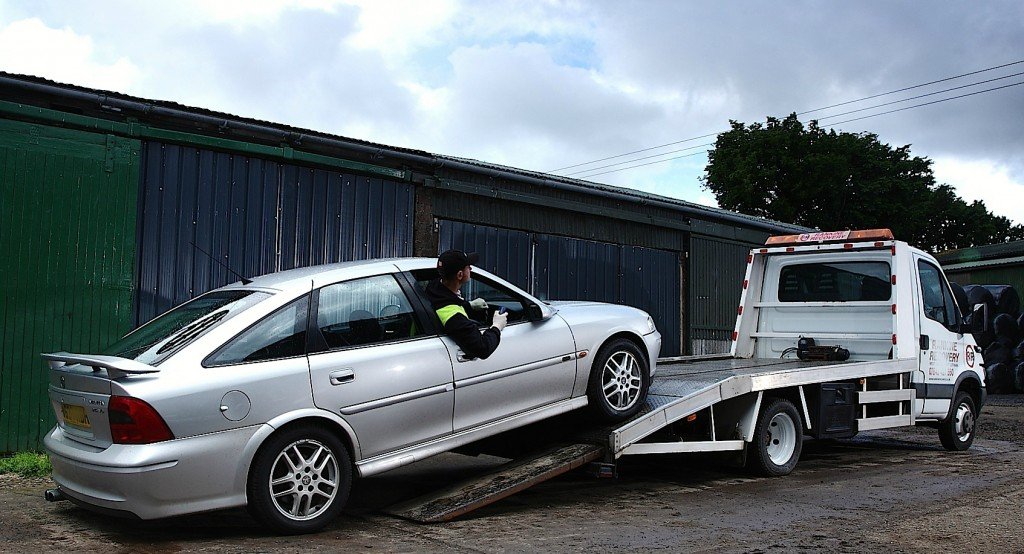
Every year, thousands of vehicles reach the end of their life. Some are damaged in accidents, while others become too costly to keep on the road. Many owners leave these vehicles sitting in garages, driveways, paddocks, or vacant blocks. Over time, these unwanted cars become a source of waste and pollution.
The automotive industry produces a large amount of waste. Old tyres, worn-out batteries, damaged metal parts, broken glass, and leaking fluids can all create environmental concerns if they are not handled correctly. This is where car removal services play an important role.
These services collect unwanted vehicles and send them through a process where usable materials can be recovered instead of being thrown away. As a result, less waste ends up in landfill, and more resources remain in circulation.
Understanding Automotive Waste
Automotive waste includes all materials that come from vehicles that are no longer in use. This can include:
- Steel and aluminium parts
- Plastic components
- Rubber from tyres and seals
- Glass from windows and mirrors
- Engine oil and transmission fluids
- Batteries and electrical parts
- Upholstery and interior materials
A typical passenger vehicle contains hundreds of kilograms of metal. Many of these materials can be recycled and used again. Without proper disposal, these materials may become environmental waste.
When old vehicles are abandoned or dumped illegally, harmful substances can leak into soil and water systems. This creates problems for local communities and natural habitats.
The Growing Need for Vehicle Recycling
Australia has millions of registered vehicles on the road. As newer models replace older ones, a large number of vehicles are removed from service each year.
Vehicle recycling has become an important part of waste reduction efforts. Instead of allowing old cars to sit unused or end up in landfill, recycling helps recover materials that still have practical use.
Steel is one of the most recycled materials in the world. Since cars contain large amounts of steel, vehicle recycling helps reduce the demand for newly mined raw materials. This reduces pressure on natural resources and lowers the amount of industrial waste generated during production.
How Cars Removal Services Work
Car removal services collect vehicles directly from owners. The vehicles may be damaged, written off, old, rusted, or no longer roadworthy.
After collection, the vehicle is usually transported to a wrecking or recycling facility. Here, workers inspect the vehicle and separate materials for different purposes.
If you have an unwanted vehicle sitting on your property, visit https://ezycarwreckers.com.au/sell-unwanted-cars-adelaide/
The process often includes:
Removal of Hazardous Fluids
Vehicles contain fluids such as:
- Engine oil
- Brake fluid
- Coolant
- Fuel
These substances are carefully drained and stored for proper treatment or recycling. This step prevents contamination of land and waterways.
Recovery of Usable Parts
Many vehicles still contain components that remain in working condition.
Common examples include:
- Engines
- Gearboxes
- Alternators
- Starter motors
- Headlights
- Wheels
These parts can be supplied to vehicle owners looking for replacement components. Reusing parts extends the lifespan of existing materials.
Metal Recycling
After usable parts are removed, the remaining vehicle shell is processed for metal recovery.
Steel, aluminium, copper, and other metals are separated and sent for recycling. These materials can later be used in manufacturing industries.
This process helps reduce the amount of waste sent to landfill while lowering demand for newly extracted resources.
Reducing Landfill Waste
One of the largest contributions made by car removal services is reducing landfill waste.
Vehicles contain many materials that take years to break down. Some materials may remain in landfill for decades. By recycling vehicle components, a large percentage of the car can be diverted away from waste disposal sites.
This creates two important outcomes:
- Less pressure on landfill capacity
- Greater recovery of reusable materials
As landfill sites continue to face increasing demand, reducing unnecessary waste has become an important environmental goal.
Lowering Environmental Pollution
Old vehicles can become a source of pollution when left unattended for long periods.
Leaking fluids can seep into the ground. Rusting metal can affect surrounding areas. Damaged batteries may release harmful chemicals.
Car removal services help prevent these issues by collecting vehicles before serious environmental damage occurs.
Once the vehicle enters a recycling facility, hazardous materials are handled according to industry procedures. This reduces the risk of pollution and supports cleaner surroundings.
Supporting the Circular Economy
A circular economy focuses on keeping materials in use for as long as possible.
Rather than disposing of products after use, materials are recovered, reused, and recycled. Car removal services support this approach by giving old vehicles another purpose.
For example:
- Metal can become new products.
- Vehicle parts can be reused in repairs.
- Batteries can be processed for material recovery.
- Tyres can be recycled into other products.
This approach reduces waste generation and promotes more responsible resource use.
Conserving Natural Resources
Manufacturing new vehicle parts requires raw materials such as iron ore, aluminium, copper, and petroleum-based products.
Extracting these resources requires energy and industrial processes. Recycling materials from old vehicles reduces the need for constant extraction.
When recycled steel is used in manufacturing, fewer natural resources are consumed. This contributes to long-term resource conservation and helps reduce environmental impact.
The Role of Local Car Removal Services
Local car removal businesses make vehicle recycling more practical for owners. Many people delay disposing of unwanted vehicles because transport can be difficult.
Collection services solve this issue by arranging vehicle pickup. This encourages more owners to remove unused vehicles from their properties instead of leaving them to deteriorate.
A good example is cash for cars removal offered by Ezy Car Wreckers Adelaide. When vehicle owners have an old or damaged car taking up space, a removal service can help move that vehicle into the recycling stream. Instead of allowing the car to continue deteriorating, the vehicle can be dismantled, recyclable materials can be recovered, and usable parts can return to the market. This supports waste reduction while helping keep unused vehicles out of the environment.
Why Automotive Waste Reduction Matters
Reducing automotive waste is about more than removing old cars. It is part of a larger effort to manage resources responsibly.
Every vehicle contains materials that required energy, labour, and natural resources to produce. When those materials are recycled or reused, their useful life continues beyond the original vehicle.
This reduces unnecessary waste and supports more sustainable use of available resources.
Communities also benefit from cleaner environments, reduced illegal dumping, and fewer abandoned vehicles affecting local areas.
Conclusion
Cars removal services play a significant role in reducing automotive waste. They help collect unwanted vehicles, recover reusable parts, recycle valuable metals, and prevent harmful materials from entering the environment.
By supporting vehicle recycling, these services help reduce landfill waste, conserve natural resources, and promote responsible material recovery. As more vehicles reach the end of their life, proper removal and recycling will continue to be an important part of reducing waste across Australia.
