
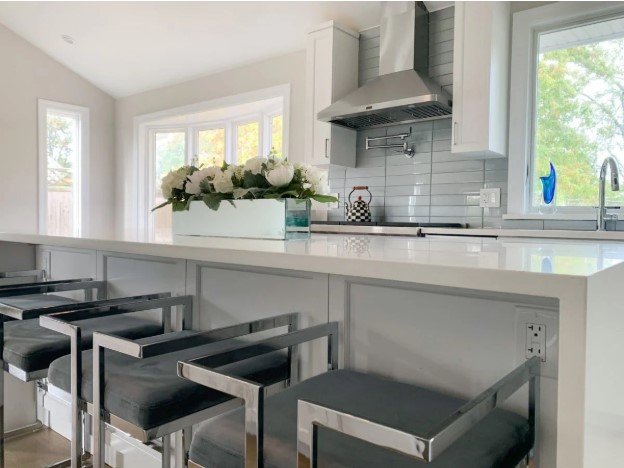
A range hood is one of the most important appliances for keeping a kitchen clean, fresh, and comfortable. In the middle of daily cooking, a wall mount range hood 30 inch model can help remove smoke, steam, grease, heat, and odors while adding a polished focal point above the cooktop. This size is especially popular for standard 30-inch ranges and compact kitchen layouts.
Wall-mounted range hoods are attached directly to the wall instead of sitting under cabinets. Many 30-inch models are designed to fit above standard cooktops and support better kitchen ventilation while complementing modern and traditional layouts.
Why does a wall-mounted range hood matter?
Cooking creates airborne grease, moisture, and odors that can spread through the kitchen. Without proper ventilation, these particles may settle on walls, cabinets, counters, and nearby furniture. A wall-mounted hood helps capture cooking byproducts at the source.
This type of hood is useful when there are no upper cabinets above the range. It can also create a more open and professional look. For homeowners who want both function and design, a wall-mounted hood can become a centerpiece.
What makes a 30-inch hood a practical choice?
A 30-inch hood is a common fit for many residential ranges and cooktops. It is wide enough for standard cooking surfaces while still working well in smaller kitchens. This makes it a flexible option for remodels, upgrades, and new kitchen designs.
Proline’s 30-inch wall-mounted range hood collection includes ducted and convertible options, with some models offering 600/1200 CFM or 900/1200 CFM airflow options. The collection also includes stainless steel, black, indoor, and indoor/outdoor-rated finishes. These choices allow homeowners to match ventilation power with design preferences.
What features should you compare before buying?
Before choosing a hood, compare airflow, noise level, filter type, controls, lighting, installation type, and finish. A good hood should match your cooking habits. If you cook often with high heat, frying, or strong spices, you may need stronger ventilation.
Popular features in 30-inch wall mount hoods include lighting, removable grease filters, and dishwasher-safe metal mesh filters. Some models are ducted, while others are convertible for ducted or ductless installation. The right setup depends on your kitchen layout and whether exterior venting is available.
Should you choose ducted or ductless installation?
A ducted range hood sends smoke and air outside through ductwork. This is usually the most effective way to remove heat, odors, and moisture. A ductless or convertible hood uses filters to clean the air and return it to the room.
If your home already has ductwork, a ducted hood may be the best choice. If exterior venting is not possible, a convertible model may still help manage odor and grease. Always review the manufacturer’s installation requirements before buying.
How much airflow do you need?
Airflow is usually measured in CFM, or cubic feet per minute. Higher CFM can help move more air, but the right level depends on your cooking style, range power, kitchen size, and duct design. More power is not always better if the ductwork is too small or poorly planned.
A homeowner who cooks lightly may be comfortable with moderate airflow. Someone who sears, stir-fries, grills indoors, or cooks frequently may need a stronger hood. Noise level should also be considered because a powerful hood should still be comfortable to use.
How does design affect the kitchen?
A wall-mounted hood is visible, so style matters. Stainless steel is popular because it matches many appliances and feels durable. Black, matte, and mixed-finish designs can create a more dramatic or modern look.
The shape of the chimney, the angle of the hood, and the finish can influence the whole kitchen. A slim hood may feel minimal, while a larger professional-style hood may make the space feel more serious and chef-inspired. The best choice should match both the room and the cooking needs.
What installation details should be checked?
Before installation, measure the range width, wall space, ceiling height, duct path, and mounting height. The hood should be centered over the cooktop. It should also be installed at the height recommended by the manufacturer.
For outdoor grill ventilation, Proline recommends centering the hood over the grill and sizing the hood at least 12 inches wider than the grill for better capture. It also recommends using independent rigid duct runs and proper CFM-rated roof caps to avoid restricting airflow. Careful installation can improve performance.
Conclusion
A wall mount range hood 30 inch model, can improve kitchen comfort, reduce lingering odors, and give the cooking area a cleaner, more finished look. It is a practical choice for many standard ranges, especially when homeowners want strong ventilation without upper cabinets above the stove. If you also cook outside, review dedicated outdoor range hoods designed for higher heat, smoke, and grease levels so your outdoor kitchen stays cleaner and more enjoyable. Before buying, compare airflow, ducting, filters, lighting, finish, and installation needs.
