
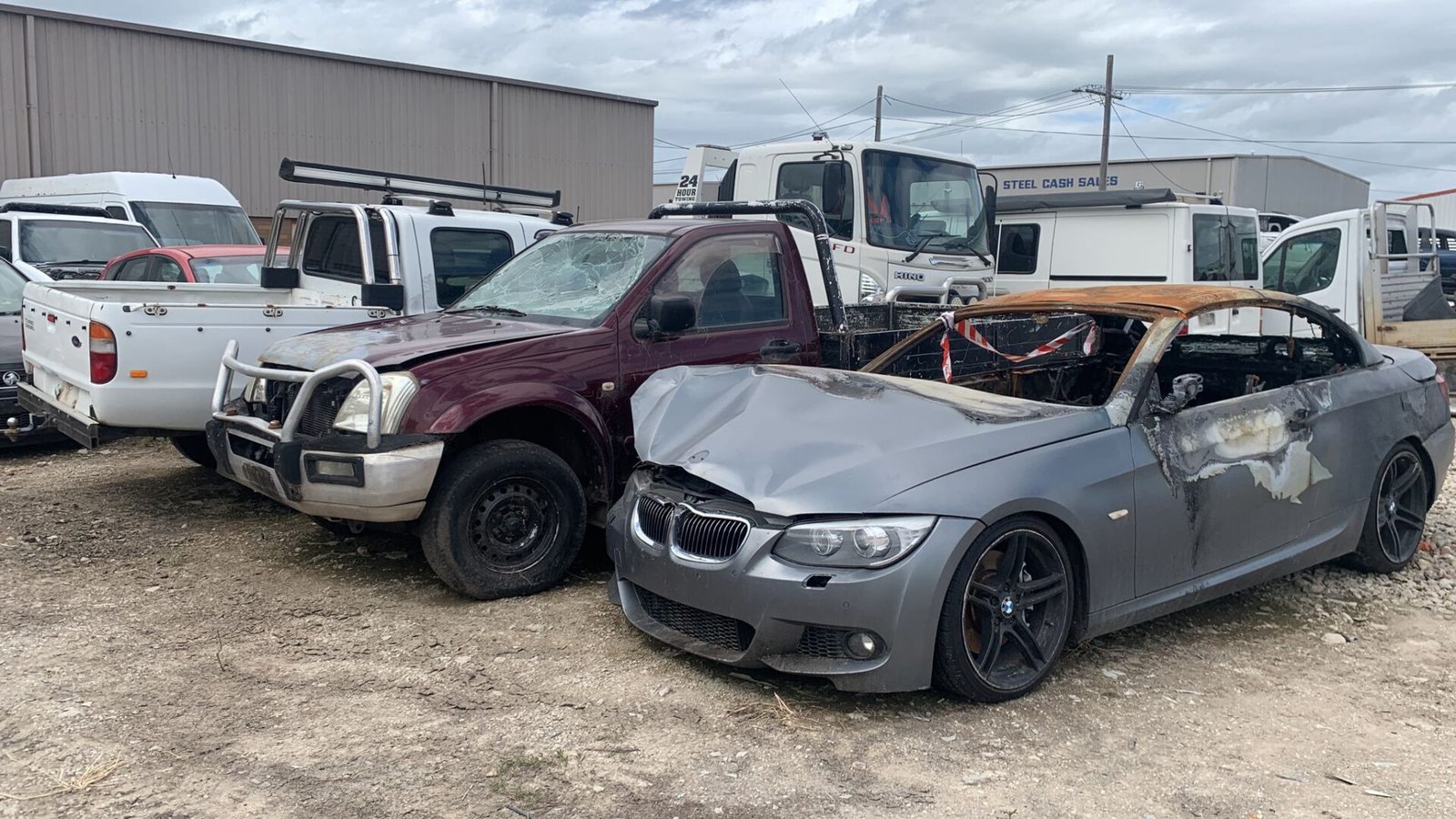
Many vehicles reach a point where repairs cost more than the vehicle is worth. Some have been damaged in accidents, while others have reached the end of their working life after years on the road. Even though these vehicles can no longer be driven, many of their parts are still in good condition.
Auto wreckers play an important role in recovering these usable parts before the remaining vehicle is recycled. This process helps reduce waste, supports vehicle repairs, and keeps useful materials in circulation for longer. From engines and gearboxes to mirrors and headlights, many components can be removed, checked, and prepared for future use.
This article explains how auto wreckers recover usable parts from old vehicles and why this process matters.
Why Parts Recovery Matters
Every vehicle contains thousands of individual components. When a vehicle is sent directly for crushing without removing usable items, many working parts are lost.
Recovering parts helps in several ways:
- Reduces the amount of waste sent to landfill.
- Extends the life of vehicle components.
- Reduces demand for manufacturing new replacement parts.
- Conserves raw materials such as steel, aluminium, and copper.
- Supports vehicle owners looking for replacement components.
According to environmental studies, vehicle recycling allows a large percentage of a vehicle’s materials to be reused or recycled rather than discarded. This makes vehicle dismantling an important part of the recycling industry.
The First Inspection of the Vehicle
The recovery process begins with a detailed inspection.
When an old vehicle arrives at a wrecking yard, workers assess its overall condition. They look for components that still function correctly and identify parts that may have resale potential.
Several factors are considered during this stage:
- Vehicle age
- Make and model
- Mileage
- Accident damage
- Mechanical condition
- Market demand for parts
Some vehicles may have severe body damage but still contain engines, transmissions, or interior components that remain in good working order.
The inspection stage helps determine which parts are worth removing and which materials will later be recycled.
Draining Fluids Before Dismantling
Before any parts are removed, all vehicle fluids must be safely drained.
These fluids include:
- Engine oil
- Transmission fluid
- Coolant
- Brake fluid
- Fuel
- Power steering fluid
Proper handling of these fluids is important because they can harm soil and waterways if released into the environment.
Special equipment is used to collect and store fluids before they are sent for treatment, disposal, or recycling where possible.
This stage prepares the vehicle for safe dismantling.
If you have an old vehicle taking up space, https://adrians.com.au/unwanted-car-buyer/ offers a practical way to sell unwanted cars while supporting responsible vehicle recycling and material recovery.
Removing High-Demand Components
After fluid removal, workers begin dismantling the vehicle.
Certain parts are commonly removed first because they are frequently needed by vehicle owners and repair workshops.
These include:
Engines
Many engines remain in working condition even when the vehicle itself can no longer be driven.
Engines are carefully disconnected and lifted from the vehicle using specialised equipment. They are then inspected for wear and damage before being stored.
Gearboxes and Transmissions
Manual and automatic transmissions often remain usable after a vehicle reaches the end of its life.
These components are removed and checked for signs of internal damage before being prepared for resale.
Alternators and Starter Motors
These electrical components are commonly replaced during vehicle ownership.
If they pass inspection, they can be reused in similar vehicles.
Radiators
Radiators that are free from cracks and leaks can often continue serving in other vehicles.
Workers inspect them carefully before adding them to inventory.
Recovering Body Panels
Body panels are another important category of reusable parts.
These include:
- Doors
- Bonnets
- Guards
- Tailgates
- Bumpers
Vehicles involved in mechanical failure often have body panels that remain in excellent condition.
Removing these panels helps vehicle owners find matching replacement parts without purchasing brand-new components.
Panels are inspected for dents, rust, and structural damage before being stored.
Salvaging Interior Components
The interior of a vehicle contains many reusable items.
Commonly recovered interior parts include:
- Seats
- Steering wheels
- Dashboard assemblies
- Centre consoles
- Door trims
- Seat belts
Modern vehicle interiors contain expensive components that may remain in very good condition for many years.
These parts are cleaned, inspected, and catalogued for future use.
Recovering Electronic Systems
Modern vehicles rely heavily on electronics.
Many electronic components remain functional even after a vehicle has been written off.
Recovered electronic items may include:
- Engine control units
- Sensors
- Navigation systems
- Audio systems
- Instrument clusters
- Power window motors
Testing equipment is often used to confirm these components are functioning correctly before they are made available for reuse.
Testing and Quality Checks
Not every recovered part is suitable for reuse.
Each component must be examined carefully before it enters inventory.
Workers inspect parts for:
- Wear
- Corrosion
- Cracks
- Electrical faults
- Structural damage
Some yards perform additional testing on mechanical and electrical parts to confirm operation.
Parts that do not meet acceptable standards are separated for recycling rather than resale.
This process helps ensure that only suitable components continue to the next stage.
Organising and Storing Recovered Parts
Once parts have passed inspection, they are organised and stored.
Each item is labelled with information such as:
- Vehicle make
- Model
- Production year
- Part number
- Condition
Proper storage protects parts from weather exposure and physical damage.
Large components are stored on racks, while smaller items are placed in organised inventory systems that make them easier to locate when needed.
Supporting Vehicle Owners Through Recovered Parts
Many older vehicles remain on Australian roads long after manufacturers stop producing certain components.
Recovered parts help keep these vehicles operating.
This is where services such as auto wreckers gold coast provided by ADRIAN’S Metal Recyclers can play a useful role. By dismantling end-of-life vehicles and recovering usable components, they help create a supply of replacement parts that may no longer be readily available through traditional channels. This approach also supports the wider goal of reducing waste by ensuring working vehicle components continue serving a purpose instead of being discarded.
Recycling What Cannot Be Reused
After all usable parts have been removed, the remaining vehicle structure still contains recyclable materials.
The shell is processed to recover:
- Steel
- Aluminium
- Copper
- Plastic
- Glass
Metal recycling reduces the need for extracting new raw materials and lowers the amount of waste entering landfill.
Vehicle recycling has become an important part of resource conservation across Australia and many other countries.
Environmental Impact of Vehicle Dismantling
Vehicle dismantling helps reduce environmental pressure in several ways.
It:
- Conserves natural resources.
- Reduces landfill waste.
- Limits the need for new manufacturing.
- Supports recycling industries.
- Encourages material recovery.
A single vehicle contains large amounts of metal and reusable materials. Recovering these resources reduces the environmental footprint associated with producing replacement parts from new materials.
Conclusion
Auto wreckers do far more than remove unwanted vehicles from the road. Their work involves careful inspection, dismantling, testing, and recovery of usable parts that can continue serving other vehicles. Engines, transmissions, body panels, interior components, and electronic systems often remain useful long after a vehicle reaches the end of its driving life.
Through parts recovery and material recycling, auto wreckers help reduce waste, conserve resources, and support vehicle owners seeking replacement components. This process gives old vehicles a second life while contributing to a more sustainable automotive industry.
