
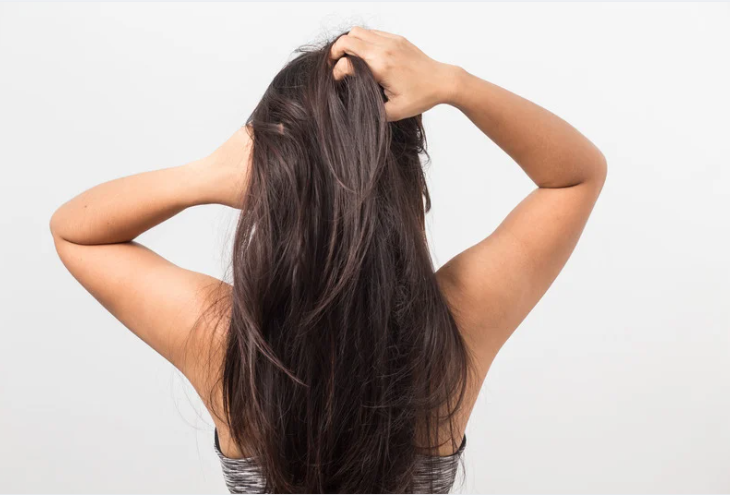
Looking good is a key element of feeling good about oneself, and healthy hair is a huge part of looking good. The average person loses a lot of hair each day, but people do worry when it becomes more apparent that hair is either thinner than it used to be or just coming out more than it used to be. It is the understanding that the state of our hair varies as a result of many differing elements such as: genetics, hormonal changes, nutrition, stress, and environment. Once these are known, more intelligent decisions can be made about how hair is cared for in the future and scalp health.
For many women, finding a reliable female hair loss treatment becomes a priority when thinning begins to affect everyday confidence. Early attention to scalp health and hair care habits can make a significant difference. Addressing concerns promptly allows individuals to identify potential causes and adopt supportive routines that encourage stronger and healthier-looking hair over time.
Common Causes of Hair Thinning
Rarely does hair thinning happen without a cause. Often a number of factors act in concert and impact the growth cycle.
The most frequent cause of hair thinning is still genetics. For individuals who have a predisposition in their family to hair thinning, changes will slowly appear with aging. Changes in hormones can cause patterns of hair growth. For instance, hormonal changes will take place during pregnancy or menopause.
Physical or emotional stress may be a factor. A stress period could upset the hair growth cycle and induce more hair into its shedding phase. It’s often a temporary effect though chronic stress may make restoration longer.
Nutrition deficiency might be one of the reasons for poor hair quality as well. A healthy hair follicle needs a constant supply of vitamins, minerals and proteins to be active. A shortage in these nutrients could lead to hair being weak, thin and brittle.
The Importance of a Healthy Scalp
The first and one of the most important components of healthy hair is a healthy scalp. The scalp is actually the part where your hair is actually grown and develops. If your scalp gets irritated and dry or full of product residue this can eventually be transferred to your hair as it grows.
Keeping your scalp clean is really important. By keeping your scalp clean, your hair follicle removes build-up of oils, dirt and toxins accumulated over the days. Having your scalp in good condition encourages healthier hair that feels and looks fuller and thicker.
Equally important to the balance of your scalp is keeping it hydrated. An effectively balanced scalp has less chances of becoming irritated, flaky, and uncomfortable. Consistently applying these steps, you maintain healthy growth for natural hair, and healthy looking hair.
Daily Habits That Support Stronger Hair
The importance of maintaining healthy hair does not solely lie in specialized products. Simple, everyday habits play an extremely important role and if taken care of, they do the world for hair health. Limiting additional trauma to the hair will allow hair strength to be preserved, preventing further breakages.
Using the right products for your hair type that are gentle will avoid drying it out and causing irritation. Over-processing or prolonged exposure to high heat can break hair down and lead to a more fragile strand.
Taking care while brushing, and not putting too much tension on hair can also do it some good. Styles which are very tight, and so are constantly pulling on the hair can make damage more likely. Wearing styles looser when it’s possible will put less strain on the scalp and roots.
Adequate sleep and exercise can further boost the body’s well-being which might indirectly have an effect on hair. When the body is at optimal balance, growth and function mechanisms are enhanced.
Nutrition and Hair Wellness
The type of diet also contributes to a healthy state of hair. As the hair is composed mainly of proteins, eating foods rich in protein can contribute to the normal repair and growth of hair.
Iron, Zinc, and Vitamins D and B are also significant to a healthy functioning of hair. It is thought that a diet containing a wide range of foods like vegetables, fruits, lean protein, nuts and whole grains may have a supply of the raw materials needed for healthy hair growth.
It is easy to forget about drinking enough water but it plays an important role in making the body work properly. Drinking water can have benefits for skin and scalp health, thus promoting the growth of healthy looking and manageable hair.
Managing Hair Care Expectations
Hair does not grow fast. Most people think that if they do anything different from their routine that it will produce some kind of result almost immediately. Growth is slow and may not be seen or noticeable straight away. Hair has a growth cycle and some changes will not be seen in the hair growth for months.
It is useful to have reasonable expectations for each part of the treatment, and not allow themselves to become discouraged. It may be that instead of being disappointed by the growth speed, they would find pleasure in seeing the texture, thickness, and overall condition of the hair improving.
Maintaining consistency is better than trying to balance multiple treatments at once. By stick to one regimen, you learn what the best treatment is for you without putting additional stress on your hair and scalp.
Conclusion
Healthy hair depends on a healthy scalp, diet, and a good daily routine. People who face thinning can make smart choices in order to help them have better-looking hair. Everyone has different experiences and, although nothing can magically cure all thinning hair problems, a lifetime of care can improve hair quality.
Those seeking dependable hair care solutions can explore the range offered by Hair Formulas to support their individual goals. Combining a thoughtful routine with quality products and appropriate hair growth supplements may help maintain healthier hair, promote stronger strands, and encourage long-term confidence in everyday appearance.
FAQ:
How long does it take to notice improvements in hair growth?
Hair growth is a gradual process, and visible changes may take several months. Many people begin to notice improvements in hair texture, strength, and reduced shedding after following a consistent hair care routine and maintaining a healthy lifestyle.
Can diet affect the health of my hair?
Yes, diet plays a significant role in hair health. Nutrients such as protein, iron, zinc, vitamin D, and B vitamins help support healthy hair growth. Eating a balanced diet can contribute to stronger, healthier-looking hair over time.
