
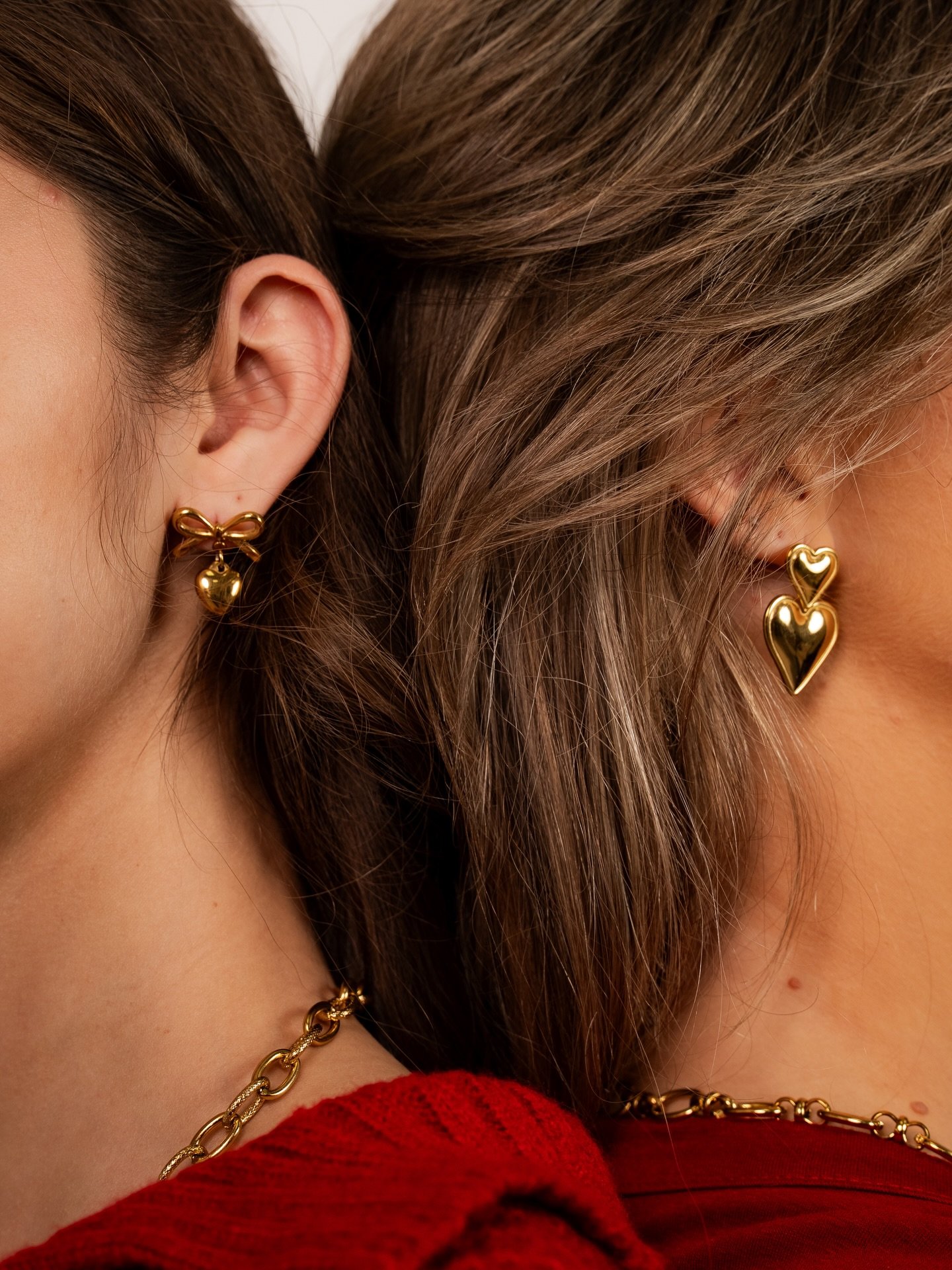
Walk into any jewelry store, browse any online shop, and you will encounter three categories of gold jewelry that look remarkably similar on the surface but differ significantly in their composition, durability, price, and long-term value. Gold plated. Gold filled. Solid gold. Understanding the real differences between these categories is not a matter of jewelry snobbery. It is practical consumer knowledge that directly affects what you should buy, what you should spend, and what you should expect from the pieces you bring home.
This guide is going to break down each category honestly, without oversimplifying, so you can match your purchase to your actual needs rather than buying based on marketing language or price point alone.
Solid Gold: The Benchmark
To understand gold plated and gold filled jewelry, you need to start with solid gold as the reference point.
Solid gold jewelry is made entirely, or almost entirely, of a gold alloy. Because pure 24-karat gold is too soft for most jewelry applications, it is alloyed with other metals (copper, silver, zinc, nickel, or palladium, depending on the desired properties and color) to increase hardness and durability. The karat number tells you what percentage of the alloy is pure gold: 18 karats is 75 percent gold, 14 karats is 58.3 percent gold, 10 karats is 41.7 percent gold.
Solid gold jewelry, regardless of karat, will not tarnish, will not fade, and will not expose a different metal beneath the surface, because there is no surface layer to wear away. The gold goes all the way through. This is why solid gold is the most durable option and why it commands the highest prices. A piece of solid 14k or 18k gold jewelry, properly cared for, will look essentially the same in 50 years as it does today. That longevity is the core value proposition of solid gold.
The tradeoffs are cost and, in some cases, weight. Solid gold is significantly more expensive than either gold filled or gold plated alternatives, and higher-karat gold is softer than lower-karat gold, which can be a consideration for pieces that take significant daily wear like rings.
Gold Filled Jewelry: The Durable Middle Ground
Gold filled jewelry (also referred to as gold filled jewellery in British English contexts) is produced through a process that is fundamentally different from electroplating. A thick layer of gold alloy, typically 14k, is mechanically bonded to a base metal core (usually brass or copper) under heat and pressure. The gold layer is not merely a coating applied to the surface; it is a distinct layer that is structurally bonded to the core material.
United States federal standards require that gold filled jewelry contain at least 5 percent gold by total weight, and this regulation makes gold filled a legally defined category with a meaningful quality floor. In practical terms, the gold layer on a gold filled piece is 50 to 100 times thicker than the gold layer on standard electroplated jewelry.
This thickness difference is what drives gold filled jewelry’s exceptional durability. Gold filled pieces can typically withstand daily wear for 10 to 30 years or more before the gold layer shows significant wear. They can be worn in the shower, during exercise, and through most daily activities without degrading quickly. People with metal sensitivities who cannot wear costume jewelry often find that gold filled pieces cause no irritation, because the thick gold layer prevents the base metal from contacting the skin.
The price point for gold filled jewelry is considerably higher than plated alternatives but significantly lower than solid gold. It occupies a logical middle ground for buyers who want durability closer to solid gold but are not prepared to invest at solid gold prices.
Gold Plated Jewelry: The Accessible Luxury Option
Gold plated jewelry uses an electroplating process to deposit a thin layer of gold onto a base metal substrate. The base metal is most commonly brass, copper, or sterling silver. An electrical current is used to bond gold molecules to the surface of the base metal, creating a finish that looks and feels like gold at a fraction of the cost of solid gold or gold filled alternatives.
The key variable in gold plated jewelry quality is the thickness of the gold layer, measured in microns. Budget plated jewelry might have a layer of 0.5 microns or thinner. Quality plated jewelry starts at around 1 to 2.5 microns, with premium options going higher. The purity of the gold used in the plating also matters: 18k gold plated jewelry uses a gold alloy that is 75 percent pure gold, producing a richer, warmer color than lower-karat alternatives.
For anyone researching what 18k gold plated means in practical terms, the short answer is that the plating uses high-purity gold and produces a genuinely beautiful finish. The question is how long that finish holds up, and the honest answer is: it depends on quality and care. Well-made 18k plated pieces with proper care can look excellent for one to three years or longer. Poorly made pieces with minimal plating thickness can show wear within months.
The case for plated jewelry is real. It provides access to current designs, high-purity gold aesthetics, and a wide range of styles at price points that make building a varied collection practical. For trend-driven pieces that you might want to replace or update in a few years anyway, plated jewelry is often the most rational choice.
The limitations are equally real. The gold layer will eventually wear, particularly in high-friction areas and with consistent exposure to moisture, chemicals, and sweat. Plated jewelry requires more conscious care and will eventually need to be replaced or re-plated.
How to Choose Based on Your Actual Needs
The right choice between these three categories is not universal. It depends on several factors that are specific to your situation.
How long do you want the piece to last? If you are buying a piece you intend to wear every day for decades and potentially pass on to someone else, solid gold is the correct investment. If you want something durable that will hold up to daily wear for years without the price of solid gold, gold filled is your best option. If you are buying something to wear for a specific period, a season, a trend cycle, or a particular occasion, quality 18k gold plated jewelry is excellent value.
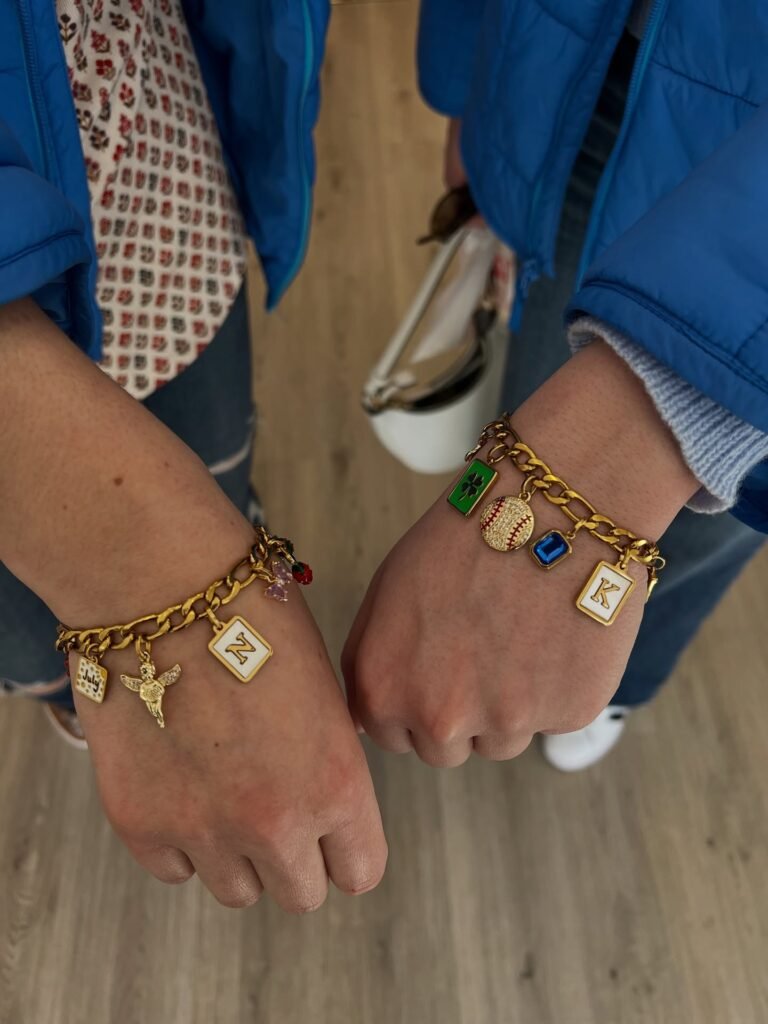
Where will you wear it? Rings and bracelets take the most friction and exposure. For daily-wear rings in particular, solid gold or high-quality gold filled is worth the investment. Earrings and necklaces, which experience less friction, are more forgiving of gold plated options. Ankle pieces worn in warm climates with frequent sun exposure and ocean or pool contact benefit from the durability of gold filled or solid gold.
What is your budget? There is no point in recommending solid gold to someone whose budget does not support it. The right piece within your actual budget, properly cared for, is always a better choice than an aspirational piece that strains your finances. Quality 18k gold plated jewelry from a reputable brand is a genuinely good product, not a compromise born of necessity.
How sensitive is your skin? Anyone with metal sensitivities or known reactions to nickel or copper should prioritize solid gold or gold filled pieces over plated alternatives. The gold layer on plated pieces can wear, exposing the base metal, and that exposure can cause reactions in sensitive individuals.
The Question of Value
It is tempting to frame this comparison purely in terms of monetary value: which option gives you the most gold for your money? But that framing misses something important. Value in jewelry is not only about material composition. It is also about the experience of wearing the piece, the meaning it carries, the way it looks, and how well it fits your actual life.
A solid gold piece you wear every day for 30 years has extraordinary value, both material and experiential. A well-made 18k gold plated piece that you wear throughout a significant period of your life, that you chose carefully and maintained thoughtfully, also has real value, even if its material composition is less substantial. The category of jewelry matters less than the quality within that category and the intention behind the purchase.
For a deeper look at what specifically makes high-quality 18k gold plating worth your consideration and how to identify it,understanding the qualities that set premium gold-plated jewelry apart from lesser alternatives is a worthwhile starting point.
The Role of the Brand
Across all three categories, the brand matters enormously. A reputable jeweler selling 18k gold plated jewelry will use appropriate plating thickness, quality base metals, and honest description. A disreputable one will use the same terminology to describe something far less substantial. A trustworthy gold filled supplier will use legally compliant gold content and proper bonding techniques. A corner-cutter will not.
This is why buying from established, transparent brands with genuine reputations matters more in the jewelry world than in almost any other product category. The materials are largely invisible to the buyer at the point of purchase. You are trusting the brand’s claims about what is inside the piece and how it was made. That trust should be earned, not assumed.
Ask questions before you buy. How thick is the gold layer on this plated piece? What karat is the gold in the filling? What is the base metal? A brand that answers these questions directly and confidently is worth your business. One that deflects or speaks only in vague generalities is giving you information by its evasiveness.
A Practical Summary
Solid gold: the most durable, the most valuable, the highest price. The right choice for heirloom pieces and daily-wear items where longevity is the priority.
Gold filled: significantly more durable than plated, legally defined quality standards, a genuine middle ground for buyers who want lasting quality at a more accessible price.
18k gold plated: the most accessible price point, beautiful appearance, requires more care and has a shorter lifespan than the above options but is an excellent choice for fashion pieces, trend-driven designs, and buyers who want a large, varied collection without a large budget.
None of these is the wrong answer. They are answers to different questions, and knowing which question you are actually asking is the foundation of every good jewelry purchase.