
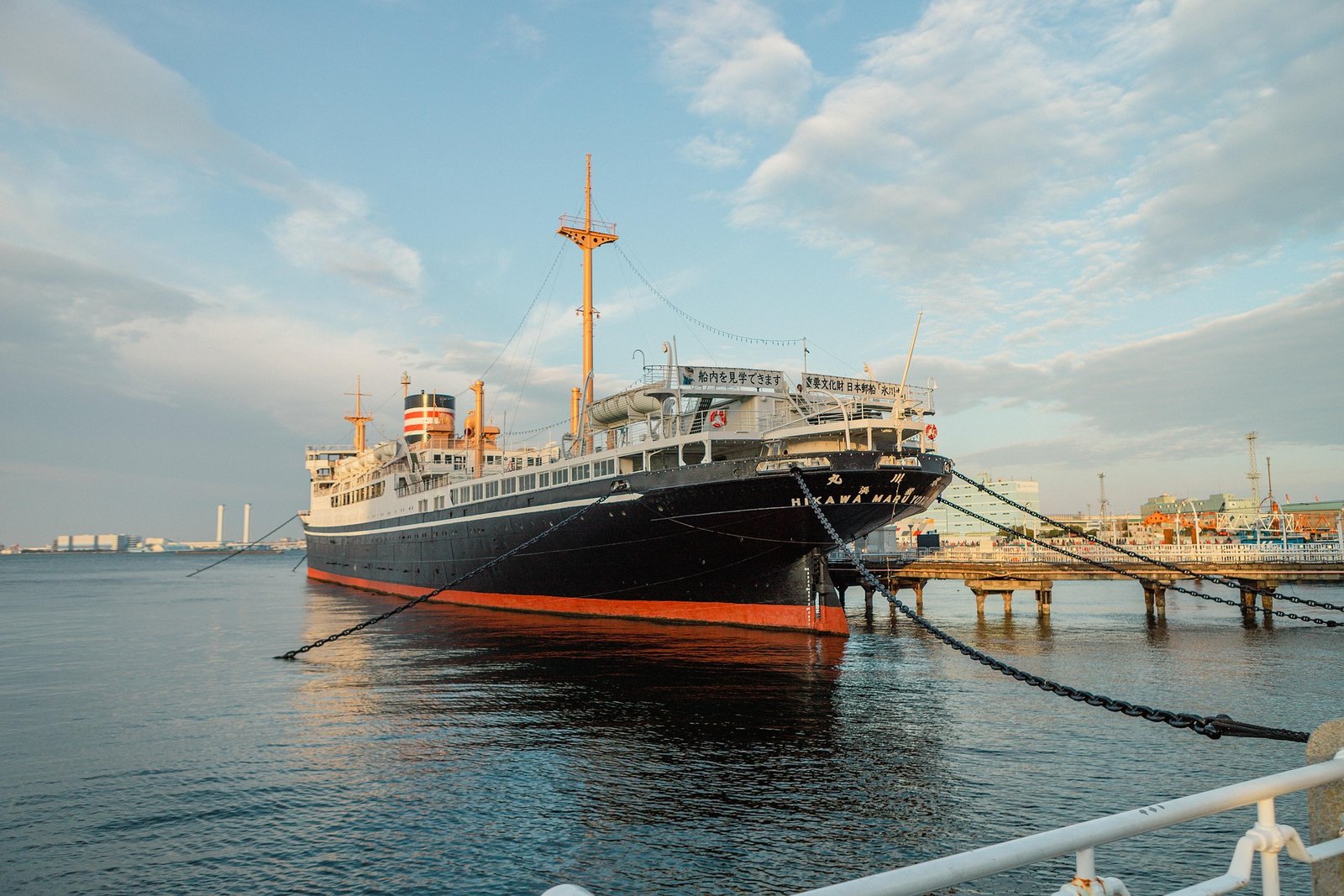
The maritime industry is rapidly evolving with increasing demands for operational efficiency, regulatory compliance, sustainability, and cost optimization. Traditional fleet management methods that rely heavily on spreadsheets, paperwork, and disconnected systems are no longer sufficient for modern shipping operations. As fleets become larger and maritime regulations become stricter, shipping companies are adopting advanced fleet management systems for ships to improve operational visibility and streamline vessel management.
A modern maritime fleet management solution helps ship owners and operators manage multiple vessels efficiently through centralized monitoring, automation, and real-time analytics. From maintenance planning and crew management to fuel optimization and compliance tracking, digital fleet management systems are transforming how maritime companies operate.
What is a Fleet Management System for Ships?
A fleet management system for ships is a software platform designed to manage, monitor, and optimize maritime fleet operations from a centralized environment. It enables shipping companies to track vessel performance, maintenance schedules, fuel consumption, compliance documentation, and operational efficiency in real time.
Unlike traditional manual processes, digital fleet management systems integrate multiple operational functions into a unified platform. This allows fleet managers to gain better visibility across all vessels and make faster, data-driven decisions.
The system typically connects shipboard operations with shore-based management teams, ensuring seamless communication and operational transparency.
Why Shipping Companies Need Fleet Management Software
The shipping industry faces numerous operational challenges, including rising fuel prices, strict environmental regulations, crew management complexities, and unexpected equipment failures. A robust fleet management solution helps address these issues effectively.
Improved Operational Visibility
One of the biggest advantages of implementing a fleet management system is complete operational visibility across the fleet. Managers can monitor vessel status, performance metrics, and operational activities from a centralized dashboard.
Enhanced Fuel Efficiency
Fuel is one of the highest operational expenses in maritime operations. Fleet management systems provide detailed insights into fuel consumption patterns, helping operators optimize routes, reduce wastage, and improve efficiency.
Better Maintenance Planning
Preventive and predictive maintenance tools help shipping companies avoid costly breakdowns and minimize vessel downtime. Automated maintenance scheduling ensures that critical tasks are completed on time.
Regulatory Compliance
The maritime industry is heavily regulated, and maintaining compliance with international standards is essential. Fleet management systems simplify compliance tracking, reporting, and audit preparation.
Cost Reduction
By improving efficiency, reducing downtime, and optimizing resource allocation, fleet management software helps lower operational costs significantly.
Key Features of a Fleet Management System for Ships
Modern fleet management solutions include a wide range of features designed specifically for maritime operations.
Vessel Performance Monitoring
Track vessel speed, fuel consumption, engine performance, and voyage efficiency in real time.
Planned Maintenance Management
Schedule and monitor maintenance activities to improve equipment reliability and operational continuity.
Crew Management
Manage crew certifications, payroll, scheduling, and communication through integrated modules.
Inventory and Procurement
Monitor spare parts inventory, automate procurement processes, and reduce supply chain delays.
Compliance and Documentation
Maintain digital records for inspections, certifications, safety procedures, and regulatory compliance.
Voyage Planning and Optimization
Analyze routes, weather conditions, and fuel usage to optimize voyage performance.
How Fleet Management Systems Improve Maritime Efficiency
Operational efficiency is a major priority for shipping companies, especially in a highly competitive global market. A digital fleet management system improves efficiency in several ways.
Centralized Data Management
All vessel-related data is stored in one centralized platform, eliminating data silos and improving collaboration between departments.
Real-Time Monitoring
Real-time tracking allows managers to respond quickly to operational issues, minimizing delays and disruptions.
Automated Reporting
Automated reports reduce administrative workload and improve reporting accuracy.
Predictive Analytics
Advanced analytics identify operational trends and predict potential issues before they escalate into costly problems.
Role of Cloud Technology in Maritime Fleet Management
Cloud-based fleet management systems are becoming increasingly popular in the maritime industry due to their scalability and accessibility.
With cloud technology, fleet managers can access operational data from anywhere in the world. This is especially valuable for companies managing global shipping operations across multiple regions and time zones.
Cloud-based systems also offer:
- Real-time data synchronization
- Lower IT infrastructure costs
- Improved cybersecurity measures
- Faster software updates and scalability
Importance of Data Analytics in Fleet Management
Data analytics is transforming maritime operations by enabling companies to make smarter decisions based on real-time information.
Fleet management systems analyze data from various sources, including engines, navigation systems, sensors, and fuel monitoring devices. This helps companies:
- Improve fuel efficiency
- Reduce emissions
- Optimize vessel performance
- Identify maintenance needs
- Enhance operational planning
Data-driven operations are becoming a competitive advantage in the maritime industry.
Challenges in Implementing Fleet Management Systems
Despite the benefits, shipping companies may face challenges during implementation.
Integration Complexity
Integrating new systems with existing infrastructure can be technically challenging.
Training Requirements
Crew members and operational staff require training to use the software effectively.
Initial Investment
The upfront cost of implementation may seem high, but the long-term operational savings often justify the investment.
Cybersecurity Concerns
As maritime operations become more digital, protecting sensitive operational data is critical.
Proper planning and choosing the right technology partner can help overcome these challenges.
Future Trends in Maritime Fleet Management
The future of maritime fleet management is being shaped by emerging technologies and digital innovation.
Artificial Intelligence
AI-powered systems can automate operational analysis, optimize routes, and predict maintenance requirements.
Internet of Things (IoT)
Connected sensors provide continuous real-time monitoring of vessel systems and equipment.
Predictive Maintenance
Advanced analytics help identify equipment failures before they occur.
Digital Twins
Virtual vessel models allow operators to simulate operations and improve performance planning.
Sustainability and Emission Reduction
Fleet management systems are increasingly focused on helping companies meet environmental goals and reduce carbon emissions.
Choosing the Right Fleet Management System for Ships
Selecting the right solution is essential for maximizing operational benefits. Shipping companies should evaluate software based on:
- Ease of use
- Integration capabilities
- Real-time monitoring features
- Vendor expertise
- Scalability and customization
- Customer support and training
A well-designed fleet management platform can significantly improve long-term operational performance and profitability.
Conclusion
A modern fleet management system for ships is no longer just an operational tool—it has become a strategic necessity for maritime companies seeking efficiency, compliance, and sustainable growth.
By centralizing operations, improving visibility, and leveraging real-time analytics, fleet management software enables shipping companies to reduce costs, optimize performance, and stay competitive in an increasingly digital maritime industry.
As technology continues to evolve, companies that embrace digital fleet management solutions today will be better positioned to lead the future of maritime operations.
You have not enough Humanizer words left. Upgrade your Surfer plan.
