
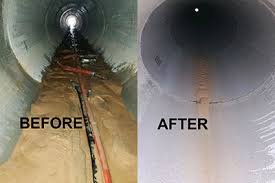
When you need to replace a sewer line in Atlanta, your primary choices are traditional trenching or non-invasive trenchless repair. Homeowners should look for warning signs like frequent backups and lush lawn patches. Always hire a licensed Georgia plumbing contractor to ensure durable, code-compliant repairs and protect your property value.
Atlanta features beautiful historic neighborhoods and towering oak trees. However, those very elements create hidden plumbing challenges beneath the surface. Aging clay pipes deteriorate over the decades, while invasive tree roots constantly seek out underground moisture sources. These natural factors compromise residential plumbing systems.
Addressing plumbing issues early prevents minor annoyances from turning into costly property disasters. A failing pipe can quickly lead to structural damage and severe health hazards.
This guide walks you through the entire process of recognizing the warning signs of sewer failure and understanding what to expect during a repair. You will learn how to handle plumbing emergencies, explore modern residential repair options, and find a reliable, cost-effective contractor to replace a sewer line in Atlanta.
What are the warning signs of sewer failure in Atlanta homes?
Property owners rarely think about underground pipes until a major problem occurs. Identifying the early indicators of a failing pipe saves time and prevents extensive property damage.
Top Signs Your Atlanta Home Needs a Sewer Line Replacement
Plumbing systems provide clear signals when underground pipes begin to fail. The most common red flags include frequent sewage backups, slow-draining tubs and sinks, and persistent foul odors around the property. If multiple fixtures drain slowly at the same time, the main pipe is likely compromised.
Environmental signs also indicate underground leaks. You might notice unusually lush, bright green patches of grass in your yard where sewage acts as an unexpected fertilizer. Sudden pest infestations, particularly rodents or insects drawn to moisture, frequently point to a cracked pipe.
Ignoring these early warnings leads to severe consequences. For example, a homeowner might dismiss a slow-draining shower as a minor clog. Over a few weeks, the pressure buildup behind that clog can cause a brittle clay pipe to completely collapse, requiring an immediate and extensive excavation.
What are the best methods for pipe repair?
The plumbing industry has evolved significantly over the last two decades. Homeowners no longer have to rely exclusively on destructive digging methods to fix underground pipes.
Understanding Residential Replace Sewer Line Atlanta Options
When planning a repair, property owners must choose between traditional trenching and modern trenchless sewer repair. Traditional trenching involves bringing in heavy machinery to dig a large ditch across the yard to expose the old pipe. Trenchless technology, such as pipe bursting or slip lining, requires only small access points to install a new pipe within the existing one.
Choose a trenchless repair method if preserving your landscaping, driveways, and historic hardscaping matters more to you than the slightly lower upfront material costs of traditional digging. Trenchless methods protect the aesthetic value of your property and eliminate the expensive post-repair landscaping restoration.
Trenchless sewer replacement significantly reduces the project timeline. A traditional excavation project often takes between three to five days, causing major disruptions to your household. In contrast, plumbing contractors typically complete a trenchless replacement in just one to two days.
How should you respond to a plumbing crisis?
A failed pipe can quickly escalate from an inconvenience to a hazardous situation. Knowing exactly how to react minimizes damage and keeps your family safe.
Handling an Emergency Replace Sewer Line Atlanta Situation
A true sewer emergency involves immediate threats to health or property. Situations like raw sewage backing up into the home, flooded basements, or major biohazard exposures require urgent attention. Sewage contains harmful bacteria and pathogens that pose serious health risks to humans and pets.
If you face an emergency replace sewer line in Atlanta situation, follow these immediate steps:
- Shut off the main water supply to stop additional water from flowing into the compromised pipes.
- Avoid using any plumbing fixtures, including toilets, sinks, and dishwashers.
- Contact a licensed 24/7 emergency plumber immediately.
- Keep children and pets away from contaminated areas.
To temporarily mitigate property damage while waiting for professional help to arrive, use old towels or sandbags to block sewage from spreading into unaffected rooms. Never attempt to clean up raw sewage without professional-grade protective equipment.
How much does it cost to fix plumbing pipes?
Budgeting for a major plumbing project requires an understanding of regional pricing factors and contractor credentials.
How to Find an Affordable Replace Sewer Line Atlanta Service
Several specific factors influence the total cost of your plumbing project. The length of the pipe, the depth of the excavation, the chosen repair method, and local municipal permit fees all dictate the final price. Properties with pipes buried under deep concrete slabs will naturally face higher labor costs than properties with shallow pipes under a lawn.
To find an affordable replace sewer line Atlanta service, always request written estimates from at least three different plumbing companies. Verify that every contractor holds an active plumbing license and carries liability insurance in the state of Georgia. You can check these credentials through the Georgia Construction Industry Licensing Board.
Remember that an affordable service does not mean choosing the cheapest bid. Unusually low quotes often indicate that a contractor cuts corners on materials or lacks proper insurance. Highlight the importance of comprehensive warranties; a reputable company will guarantee both their labor and the materials for long-term reliability.
Secure Your Home’s Plumbing Future Today
Protecting your property requires knowing the early warning signs of failing pipes, understanding the benefits of trenchless repair methods, and acting decisively during emergencies. Replacing a sewer line is a significant investment, but it is an absolutely necessary one to protect the structural integrity, safety, and market value of your Atlanta home.
Do not wait for a slow drain to turn into a flooded basement. Contact our trusted plumbing experts today to schedule a professional camera inspection and secure your home’s plumbing future.
Frequently Asked Questions
How long does a sewer line replacement take in Atlanta?
Trenchless sewer line replacements typically take one to two days to complete. Traditional trenching methods that require extensive digging generally take three to five days, depending on the pipe’s depth and weather conditions.
Does homeowner’s insurance cover sewer line replacement?
Standard homeowner’s insurance policies usually do not cover sewer line replacements resulting from normal wear and tear or tree root intrusion. You typically need a specific “sewer backup” or “service line protection” endorsement added to your policy to receive coverage.
What is the cheapest way to replace a sewer line?
Traditional open-trench digging often has the lowest upfront material costs. However, when factoring in the cost of restoring driveways, sidewalks, and landscaping destroyed by the excavation, trenchless methods frequently prove to be the most affordable overall option.
