
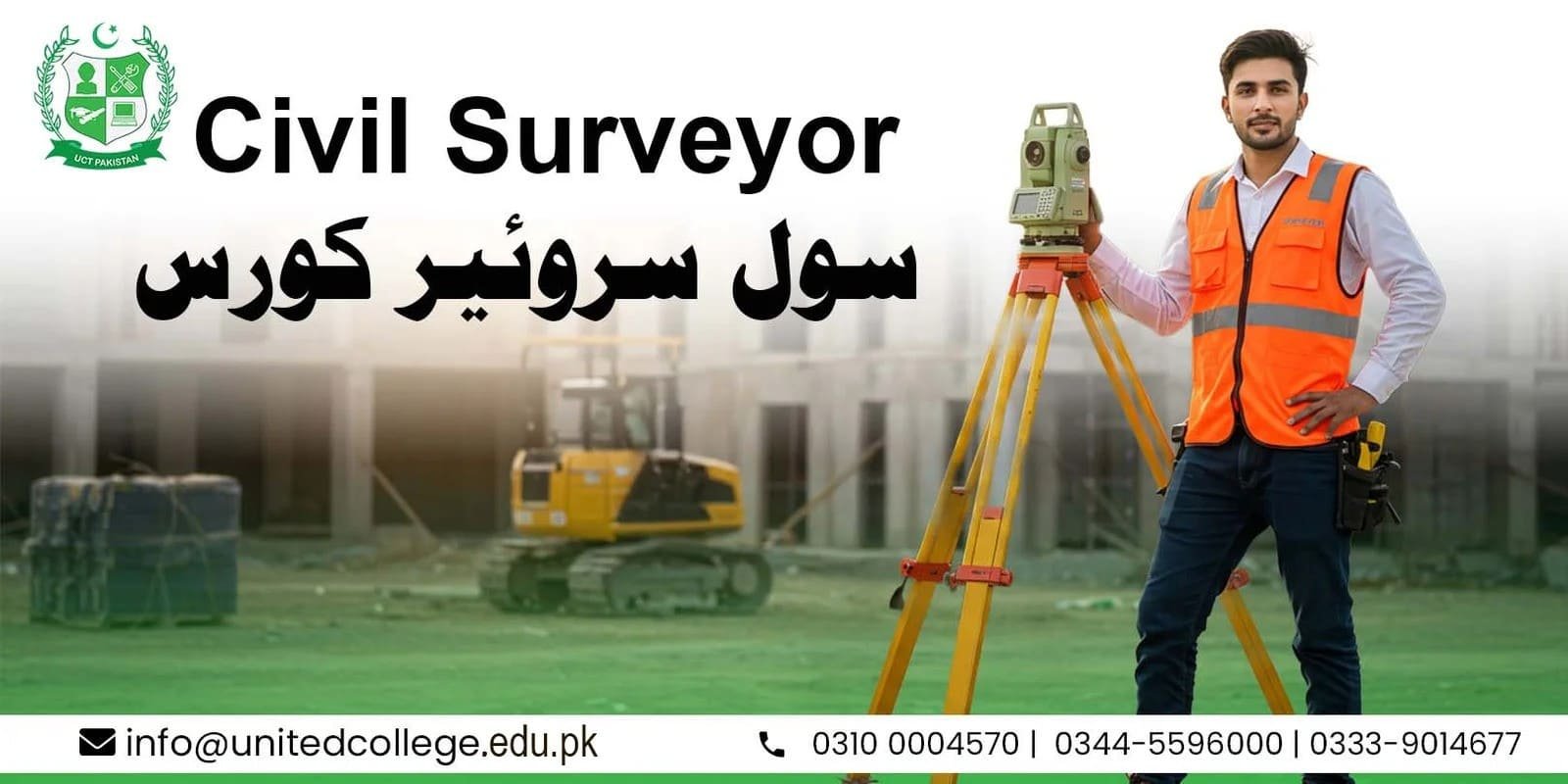
Building a Future with Practical Skills
The construction and infrastructure industries continue to expand, creating a growing need for professionals with specialized technical skills. Civil surveying is one of the most important fields that support the planning, design, and execution of engineering projects. By learning surveying techniques and understanding modern technology, individuals can access a wide range of career opportunities and build a strong professional future.
For those who want to gain practical knowledge and hands-on experience, they should take the Civil Surveyor diploma, which prepares learners for the demands of today’s construction industry.
Understanding the Value of Civil Surveying
Civil surveying involves measuring land, establishing reference points, and collecting data that engineers and contractors use throughout construction projects. Surveyors ensure that buildings, roads, bridges, and utilities are developed accurately and according to approved plans.
Their role is essential for maintaining quality, safety, and efficiency in every stage of development.
A Profession with Growing Demand
As cities grow and infrastructure projects increase, organizations require skilled surveyors to support construction activities. This demand creates opportunities for individuals who possess practical surveying knowledge and technical expertise.
Civil surveyors are involved in projects such as:
- Residential housing developments
- Commercial buildings
- Highways and roads
- Bridges and flyovers
- Railway systems
- Industrial facilities
- Water management projects
The variety of projects allows professionals to gain valuable experience across multiple industries.
Developing Industry-Relevant Skills
Civil surveying helps individuals build technical and analytical skills that employers value. During training and fieldwork, professionals learn how to:
- Operate GPS surveying systems
- Use total stations and leveling instruments
- Read engineering drawings
- Prepare survey reports
- Analyze land conditions
- Apply digital mapping technology
These skills improve employability and create opportunities for career advancement.
Career Paths in Civil Surveying
Qualified civil surveyors can pursue careers in different sectors depending on their interests and expertise.
Common employment opportunities include:
Construction Companies
Surveyors assist with site layout, foundation positioning, and project monitoring to ensure accurate construction.
Engineering Consulting Firms
Professionals provide land surveys, mapping services, and technical support for large infrastructure developments.
Government Organizations
Public infrastructure departments require surveyors for transportation, urban planning, and land management projects.
Real Estate Development
Surveyors establish property boundaries and prepare land data for residential and commercial developments.
Infrastructure and Utility Projects
Surveyors support the construction of roads, pipelines, drainage systems, and public facilities that serve growing communities.
The Importance of Modern Technology
Technology has significantly transformed civil surveying, increasing the demand for professionals who understand advanced equipment and software.
Modern surveyors work with:
- GPS technology
- Total stations
- Drone mapping systems
- Geographic Information Systems (GIS)
- Digital surveying software
Professionals who stay updated with these innovations become valuable assets in the construction industry.
Practical Experience Builds Confidence
Field experience is essential for developing professional competence. Working on actual construction sites allows surveyors to apply theoretical knowledge while improving measurement accuracy and problem-solving abilities.
The United College of Technology (UCT) is offering a Civil Surveyor training in Rawalpindi that combines classroom learning with practical training, helping learners gain confidence in using modern surveying tools and techniques.
Long-Term Professional Growth
Civil surveying offers opportunities for continuous learning and career progression. As professionals gain experience, they can take on greater responsibilities, manage larger projects, and specialize in advanced surveying technologies.
Developing communication, teamwork, and leadership skills further enhances career potential and supports long-term success.
Creating Opportunities for the Future
Civil surveying is more than a technical profession—it is a gateway to diverse career opportunities within the construction and infrastructure industries. With strong practical skills, modern technological knowledge, and hands-on experience, individuals can build rewarding careers while contributing to projects that shape communities and support economic development.
As the demand for accurate surveying continues to grow, civil surveying remains an excellent field for those seeking stability, professional growth, and meaningful work in the engineering sector.
