
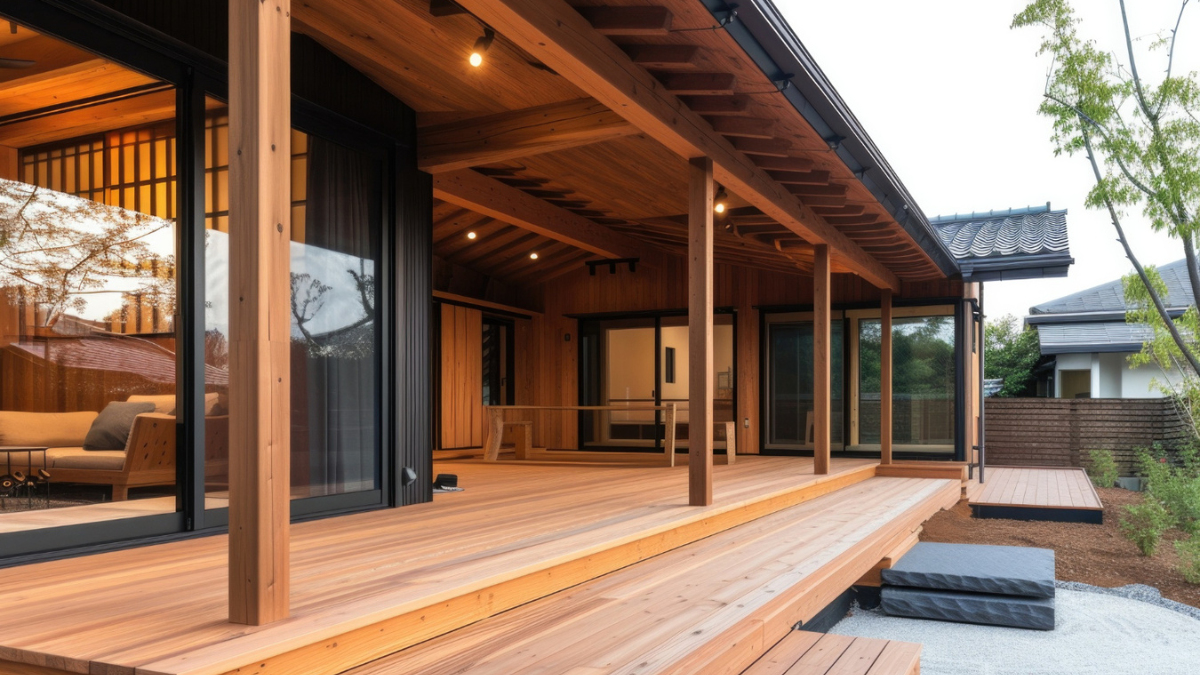
The strength and longevity of any building begin with its structural framework. Whether constructing a new home, commercial facility, renovation project, or extension, choosing the right structural framing timber is one of the most important decisions builders and property owners can make.
Structural framing acts as the backbone of a building, supporting walls, roofs, ceilings, and floors while ensuring stability and safety over time. While many construction materials are available today, timber continues to be one of the most widely used framing solutions throughout Australia due to its strength, versatility, sustainability, and cost-effectiveness.
However, not all structural timber products are created equal. Understanding timber grades, species, moisture content, treatment options, and project requirements is essential when selecting framing materials that will deliver long-term building performance.
Why Structural Framing Timber Matters?
Structural framing timber serves a critical role in any construction project. It is responsible for transferring loads throughout the building and maintaining structural integrity under varying conditions.
Poor-quality or improperly selected framing timber can lead to:
- Structural movement
- Warping and twisting
- Reduced durability
- Increased maintenance costs
- Compliance issues
By choosing suitable structural timber from the outset, builders can improve construction quality, enhance safety, and reduce future repair requirements.
Advantages of Timber Framing
Timber has remained one of Australia’s preferred framing materials for decades.
Strength-to-Weight Ratio
Timber provides exceptional strength while remaining relatively lightweight.
This makes handling, transportation, and installation easier compared to heavier building materials.
Construction Efficiency
Timber framing allows for faster installation, reducing labor costs and construction timelines.
Design Flexibility
Timber can accommodate a wide range of architectural styles and structural designs.
Sustainability
Responsibly sourced timber is considered a renewable building material and contributes to sustainable construction practices.
Cost-Effectiveness
Timber framing often provides an economical solution without sacrificing structural performance.
These advantages continue to drive strong demand for structural timber across residential and commercial projects.
Understanding Timber Grades
One of the first considerations when choosing structural framing timber is grading.
Australian timber grading systems help identify the structural capabilities of different timber products.
Timber is typically graded based on:
- Strength
- Stiffness
- Density
- Structural performance
Common structural grades include:
MGP10
A widely used structural pine grade suitable for residential framing.
MGP12
Provides higher strength and stiffness compared to MGP10.
F-Grades
Used for hardwood structural applications where additional strength may be required.
Understanding these grades helps ensure compliance with building requirements and engineering specifications.
Choosing Between Hardwood and Softwood Framing
Both hardwood and softwood timbers are commonly used in Australian construction.
Hardwood Framing
Advantages include:
- High strength
- Excellent durability
- Greater resistance to impact
- Long service life
Hardwoods are often selected for demanding structural applications.
Softwood Framing
Benefits include:
- Lightweight handling
- Easier installation
- Cost efficiency
- Consistent availability
Softwood framing remains highly popular for residential housing projects.
The appropriate choice depends on project requirements, budget, engineering specifications, and environmental conditions.
Moisture Content and Stability
Moisture content plays a significant role in structural timber performance.
Timber naturally expands and contracts as moisture levels change.
If timber is installed with excessive moisture content, issues may occur later, including:
- Shrinkage
- Twisting
- Bowing
- Cracking
Quality structural timber should be properly seasoned or kiln-dried before installation.
Benefits include:
- Improved dimensional stability
- Reduced movement
- Better long-term performance
- Easier installation
Builders should always verify moisture content before installation to minimize future problems.
The Importance of Timber Treatment
Some structural timber products require preservative treatment to enhance durability.
Treatment helps protect timber against:
- Termites
- Fungal decay
- Moisture-related damage
- Insect attack
Australia utilizes various treatment levels depending on application and exposure conditions.
Common treatment classes include:
H2
Interior applications where termite protection is required.
H3
External above-ground use.
H4
Ground-contact applications.
Selecting the correct treatment level ensures compliance and extends service life.
Matching Timber to Environmental Conditions
Australia’s climate varies significantly between regions.
Environmental factors affecting timber performance include:
- Humidity
- Rainfall
- Temperature fluctuations
- Coastal exposure
Builders should select framing materials suited to local conditions.
For example:
Coastal Areas
May require enhanced durability and treatment against moisture exposure.
High-Humidity Regions
Benefit from stable, properly seasoned timber products.
Bushfire-Prone Areas
May require compliance with specific building regulations and timber specifications.
Understanding environmental demands improves long-term building performance.
Structural Compliance and Building Standards
Structural framing timber must comply with Australian building codes and standards.
Compliance helps ensure:
- Safety
- Performance
- Durability
- Engineering approval
Relevant standards may include:
- AS 1684 Residential Timber-Framed Construction
- National Construction Code (NCC)
- Timber grading standards
Working with reputable timber suppliers helps ensure materials meet required specifications.
The Role of Sustainable Timber Sourcing
Sustainability has become a key consideration in modern construction.
Responsibly sourced structural timber offers several environmental benefits:
- Renewable resource potential
- Lower embodied energy
- Reduced carbon footprint
- Carbon storage capabilities
Many builders and developers now prioritize timber products sourced from responsibly managed forests to support sustainable building practices.
Common Structural Framing Applications
Structural timber is used across a wide variety of building components.
Wall Frames
Provide support for internal and external walls.
Roof Trusses
Support roofing systems and transfer loads.
Floor Systems
Deliver strength and stability under daily use.
Beams and Joists
Distribute loads throughout the structure.
Renovations and Extensions
Timber framing integrates easily with existing structures.
Its versatility makes timber suitable for both traditional and contemporary construction projects.
Long-Term Benefits of Quality Structural Timber
Investing in quality structural framing timber provides several long-term advantages.
Improved Structural Integrity
Quality materials help maintain building stability for decades.
Reduced Maintenance Costs
Properly selected timber minimizes repair requirements.
Better Building Performance
Stable framing supports overall building quality.
Increased Property Value
Well-constructed properties often achieve stronger market appeal.
These benefits make structural timber an essential investment rather than simply a construction expense.
Choosing the Right Timber Supplier
The quality of structural framing depends heavily on the supplier.
Reliable suppliers can provide:
- Certified structural grades
- Expert technical advice
- Consistent product quality
- Compliance documentation
- Suitable timber recommendations
Working with experienced timber specialists helps ensure builders receive products appropriate for their project’s requirements.
Future Trends in Timber Construction
Timber continues to play a growing role in modern construction.
Emerging trends include:
- Sustainable building practices
- Engineered timber systems
- Mass timber construction
- Prefabricated timber components
- Energy-efficient building designs
As technology advances, structural timber is likely to become even more important within Australia’s construction industry.
Choosing the right structural framing timber is one of the most important decisions in any construction project. The correct timber grade, species, treatment level, and moisture content can significantly impact building performance, durability, and long-term value.
By understanding the factors that influence structural timber selection, builders and property owners can make informed decisions that support safe, efficient, and sustainable construction.
Whether constructing a new home, commercial building, or renovation project, investing in quality structural framing timber provides the foundation for lasting structural performance and peace of mind for years to come.
