
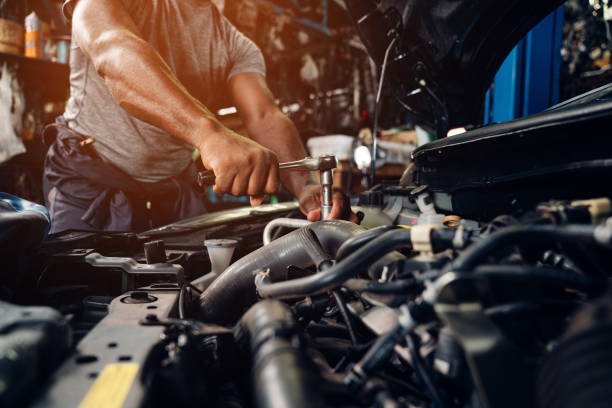
Your car engine works hard every time you drive through Dubai. It produces the power needed to handle busy roads, long daily journeys and frequent stop-and-go traffic. High temperatures can place even more pressure on its cooling, lubrication and electrical systems.
A small engine fault can quickly become a major problem when ignored. An unusual sound, rising temperature gauge or warning light may indicate an issue that requires immediate attention. Early diagnosis can help protect the engine and reduce the risk of costly internal damage.
Car Garage Expert provides professional engine repair in Dubai for motorists experiencing performance loss, overheating, oil leakage, smoke, unusual noises or starting problems. The repair process begins with a detailed inspection so the real cause can be identified before parts are replaced.
Whether you drive a family saloon, SUV, luxury vehicle, sports car or commercial vehicle, your engine needs accurate diagnosis and suitable repairs. The goal is not simply to remove a warning light. The goal is to restore dependable performance and help prevent the same fault from returning.
What Is Engine Repair?
Engine repair involves finding and correcting faults that affect the operation, performance or safety of a vehicle’s engine.
Some repairs are relatively minor. These may include replacing a leaking gasket, faulty ignition coil, damaged sensor or worn drive belt. Other jobs may require deeper mechanical work involving the cylinder head, pistons, valves, crankshaft or timing components.
Why Engine Maintenance Matters in Dubai
Dubai driving conditions can be demanding on vehicle engines. High outdoor temperatures increase the importance of a healthy cooling system, correct engine oil and reliable electrical components.
Slow-moving traffic in areas such as Deira, Bur Dubai, Business Bay, Dubai Marina and Al Barsha can keep an engine running for long periods with limited airflow. Long-distance driving on Sheikh Zayed Road, Emirates Road or Al Khail Road can also expose existing cooling, lubrication or ignition problems.
Step 1: Discussing the Symptoms
The technician first needs to understand what the driver has noticed.
Useful details include:
- When the problem started
- Whether it occurs during a cold start
- Whether it appears when the air conditioner is running
- Whether it happens at idle or during acceleration
- Whether warning lights are displayed
- Whether the engine recently overheated
- Whether any repairs were completed before the problem began
These details can reduce diagnostic time and guide the initial checks.
Step 2: Visual Inspection
The engine bay is checked for leaks, damaged wiring, loose hoses, broken mounts, worn belts and disconnected components.
Fluid levels and conditions may also be examined. Low coolant, burnt oil or contamination can provide clues about the fault.
Step 3: Computer Scanning
A diagnostic scanner communicates with the vehicle’s control modules and retrieves stored fault codes.
Live data may also be reviewed. This can show information from temperature sensors, oxygen sensors, airflow meters, fuel trims and ignition systems while the engine is operating.
A scanner is a diagnostic aid. It does not replace mechanical testing or professional judgement.
Step 4: Mechanical Testing
Further testing depends on the symptoms.
The technician may perform:
- Compression testing
- Cylinder leak-down testing
- Fuel-pressure testing
- Cooling-system pressure testing
- Smoke testing for air leaks
- Oil-pressure testing
- Electrical circuit testing
- Injector testing
- Ignition waveform analysis
These tests help confirm whether the problem is electrical, mechanical or related to fuel delivery.
Step 5: Repair Recommendation
After identifying the fault, the technician can explain which components require attention and why.
A clear estimate should separate essential repairs from optional maintenance. The customer can then make a more informed decision based on the vehicle’s age, condition and value.
Step 6: Repair and Final Checks
Once approved, damaged parts are repaired or replaced. The engine is then tested again to confirm that the original symptoms have been resolved.
Final checks may include monitoring live data, checking for leaks, clearing relevant fault codes and completing a road test when appropriate.
Common Engine Problems in Dubai Vehicles
Cooling-System Failure
Cooling-system faults are among the most urgent engine problems. The system uses coolant, hoses, a radiator, thermostat, water pump and fans to control temperature.
A small leak can reduce the coolant level. A damaged fan may prevent proper cooling during slow traffic. A stuck thermostat may stop coolant from circulating correctly.
Finding and repairing the original cause is essential. Simply adding coolant does not solve an active leak.
Failed Head Gasket
The head gasket seals the space between the engine block and cylinder head. It keeps combustion pressure, coolant and engine oil in their correct passages.
Severe overheating can weaken this seal. Possible symptoms include repeated coolant loss, white exhaust smoke, bubbling in the coolant tank, contaminated oil or low compression.
A head-gasket repair may require cylinder-head removal, inspection and measurement. The cause of the original overheating must also be repaired.
Timing Chain or Timing Belt Problems
The timing system keeps the crankshaft and camshaft operating in the correct sequence.
A worn timing chain may create a rattling sound. A damaged tensioner can allow the timing to move. A broken belt can stop the engine and may cause internal damage in some engine designs.
Timing components should be inspected according to the manufacturer’s maintenance guidance and whenever related symptoms appear.
Ignition-System Faults
Petrol engines depend on spark plugs and ignition coils to ignite the air-fuel mixture.
Worn plugs can cause difficult starting, misfires and poor fuel economy. Weak ignition coils may fail only when the engine is under load or operating at a high temperature.
Testing helps identify the faulty cylinder and prevents replacement of unnecessary components.
Fuel-Injector Problems
Fuel injectors must deliver the correct quantity of fuel in a controlled pattern. Dirty, blocked or leaking injectors can affect idle quality, acceleration and fuel use.
Injector problems may be diagnosed through fuel-pressure checks, electrical testing, cylinder-balance tests and inspection of fuel-trim data.
Engine-Mount Damage
Engine mounts support the engine and help reduce vibration inside the cabin.
A broken mount can cause shaking, knocking or excessive movement when changing gear or accelerating. The engine may still run correctly, but the vibration can make the problem feel like an internal engine fault.
Sensor and Wiring Faults
Modern engines depend on many sensors. These measure temperature, pressure, airflow, oxygen levels, crankshaft position and other operating conditions.
A damaged wire, loose connector or poor electrical ground can create the same symptoms as a failed sensor. The circuit should therefore be tested before the sensor is replaced.
Internal Engine Wear
Pistons, rings, bearings, valves and cylinder walls wear over time. Poor lubrication, repeated overheating and delayed servicing may increase this wear.
Possible signs include low compression, heavy oil consumption, blue smoke, knocking and metal particles in the oil.
Major internal damage may require a partial repair, full rebuild or replacement engine.
Petrol, Diesel and Turbo Engine Repairs
Different engines require different diagnostic methods.
Petrol Engines
Petrol-engine problems often involve spark plugs, coils, injectors, airflow sensors, vacuum leaks and fuel-pressure controls.
Misfires and rough idle are common symptoms, but compression and timing must also be considered.
Diesel Engines
Diesel engines use high-pressure fuel systems and compression ignition. Common concerns may involve injectors, glow plugs, fuel pumps, turbochargers and exhaust-treatment systems.
Diesel fuel systems operate under very high pressure. Repairs should be handled using suitable equipment and safe procedures.
Turbocharged Engines
A turbocharger uses exhaust gas to increase the amount of air entering the engine. This improves power but adds components that depend on correct oil flow, cooling and pressure control.
Turbo problems may cause:
- Whistling or siren-like sounds
- Blue or black smoke
- Low engine power
- Excessive oil use
- Boost-pressure warning codes
- Oil inside intake pipes
Not every boost problem requires a new turbocharger. Damaged hoses, control valves, sensors and air leaks can produce similar symptoms.
Hybrid Vehicles
Hybrid vehicles combine an internal-combustion engine with an electric drive system. An engine-related warning may involve the petrol engine, hybrid controls, cooling system or high-voltage components.
These vehicles require suitable diagnostic equipment and trained handling procedures. High-voltage parts should never be opened or repaired without the correct knowledge and safety precautions.
Engine Repair or Engine Replacement?
Severe engine damage can leave the owner choosing between repair, rebuilding and replacement.
Repair may be suitable when the damage is limited to a specific area, such as the cylinder head, timing system or gasket. A rebuild may be considered when several internal components are worn but the main engine structure remains usable.
Replacement may be considered when:
- The engine block is badly damaged
- Repair costs are close to replacement costs
- Parts are difficult to obtain
- The engine has experienced severe internal failure
- Previous repairs have not solved the problem
- The vehicle’s condition supports a replacement investment
The cheapest initial option is not always the most cost-effective long-term choice. The vehicle’s age, mileage, service history, market value and general condition should all be considered.
Why Choose Car Garage Expert for Engine Repair in Dubai?
An engine is one of the most valuable and complex parts of your car. It should be inspected carefully before any major repair decision is made.
Car Garage Expert focuses on a diagnosis-first approach. The aim is to identify the cause of the problem rather than changing parts based only on symptoms.
Customers can expect:
- Inspection of reported engine symptoms
- Modern diagnostic scanning
- Mechanical and electrical testing where required
- Clear explanation of identified faults
- Repair recommendations based on vehicle condition
- Suitable parts for the approved work
- Checks after the repair is completed
- Practical maintenance guidance
No two engine problems are exactly the same. A repair plan should be based on test results, not assumptions.
Engine Repair for Cars Across Dubai
Engine trouble can affect motorists anywhere in the city, from short urban journeys to daily motorway travel.
Car Garage Expert is a relevant choice for drivers searching for engine support near:
Frequently Asked Questions
How do I know whether my car needs engine repair?
Common signs include overheating, power loss, rough idle, unusual noise, exhaust smoke, oil leakage, high oil consumption and a persistent check engine light. A diagnostic inspection is needed to identify the exact cause.
Can I drive with the check engine light on?
A steady check engine light may allow limited driving, but the vehicle should be checked soon. Stop driving if the light is flashing, the engine is shaking heavily, power drops suddenly or another serious warning appears.
Why does my engine overheat in traffic?
Possible causes include a faulty cooling fan, low coolant, a blocked radiator, damaged thermostat, weak water pump or internal coolant leak. Traffic can make fan-related faults more noticeable because less natural air passes through the radiator.
What causes an engine to shake while idling?
Rough idle may be caused by worn spark plugs, weak ignition coils, injector problems, air leaks, damaged engine mounts, incorrect sensor readings or low cylinder compression.
Why is my car losing engine oil?
Oil may leak through gaskets, seals, the oil pan or filter housing. It may also burn inside the engine because of worn piston rings, valve seals or turbocharger components.
Does a diagnostic scan show the exact engine problem?
Not always. A scanner shows fault codes and operating data, but additional testing may be required. A code can identify the affected system without proving which component has failed.
Conclusion
Engine problems should not be ignored. A minor leak, misfire or cooling fault can develop into expensive internal damage when the vehicle continues to operate.
Car Garage Expert provides professional engine repair in Dubai for overheating, warning lights, rough running, engine noise, oil leakage, smoke, power loss and difficult starting. Each repair should begin with proper diagnosis so the damaged system can be identified accurately.
Arrange an engine inspection as soon as you notice a change in your vehicle’s sound, temperature, performance or fluid levels. Timely attention can protect the engine, improve reliability and reduce the chance of an unexpected breakdown on Dubai’s roads.
Contact Car Garage Expert today to discuss your vehicle’s symptoms and arrange a professional engine diagnostic inspection in Dubai.