
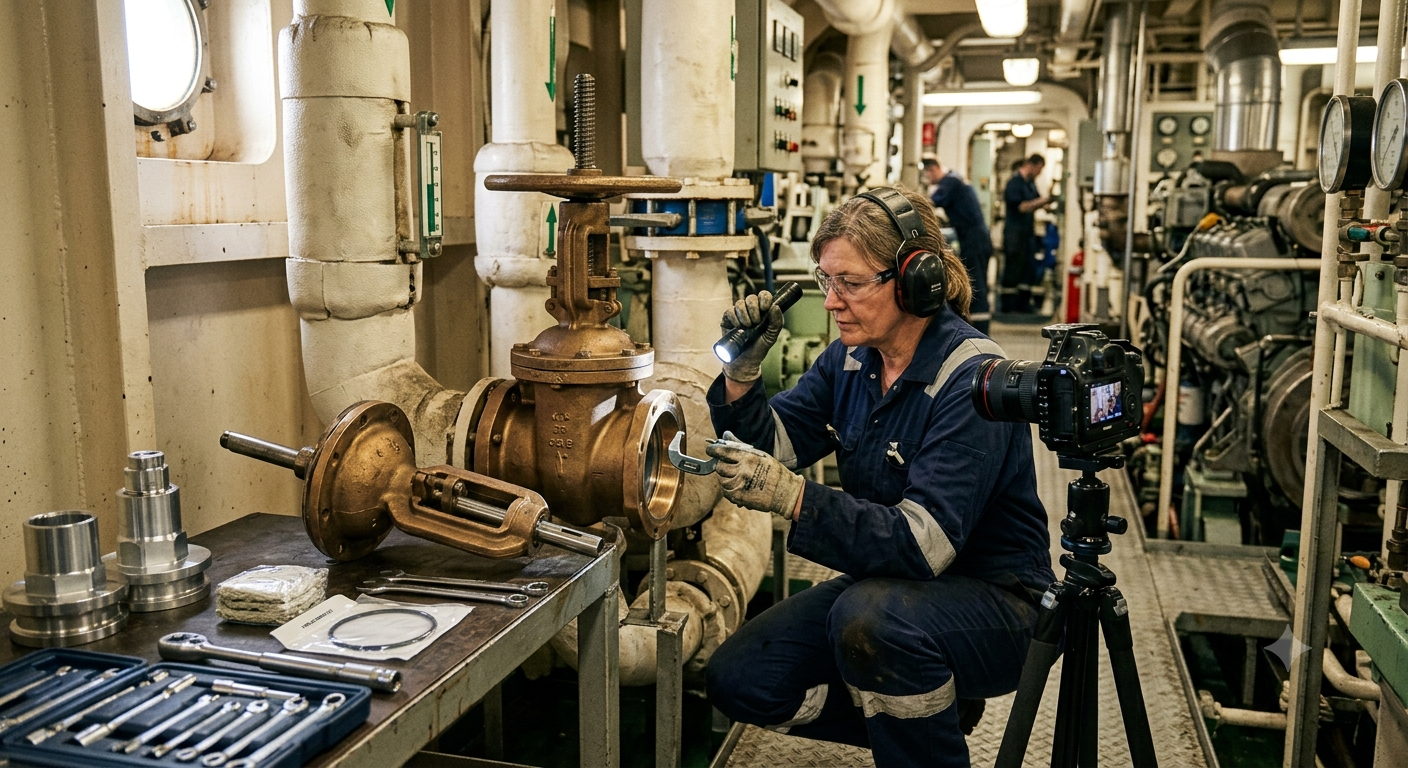
Marine valves are among the most important components found on commercial vessels, playing a vital role in controlling the flow of fuel, water, steam, and other essential fluids. Since these valves operate in demanding marine environments, routine inspection and timely replacement are essential for maintaining vessel safety and operational efficiency. Working with an experienced marine valve workshop Singapore helps shipowners and operators ensure that valve components are inspected, repaired, and replaced according to industry best practices.
A well-planned maintenance strategy not only prevents unexpected equipment failures but also extends the lifespan of critical shipboard systems. Companies such as RMS Marine Service understand the importance of professional valve maintenance and provide reliable support for commercial vessels operating worldwide. Following proven inspection and replacement procedures can significantly improve equipment reliability while reducing maintenance costs and vessel downtime.
Why Marine Valve Inspection Is Important
Marine valves are exposed to constant pressure, vibration, saltwater, temperature changes, and continuous operation. Over time, these conditions can lead to wear, corrosion, leakage, and reduced performance.
Routine inspections help identify early signs of deterioration before they develop into serious mechanical failures. Detecting problems at an early stage allows maintenance teams to schedule repairs during planned maintenance periods rather than dealing with costly emergency breakdowns at sea.
Regular inspections also support compliance with maritime safety regulations and classification society requirements.
Develop a Scheduled Inspection Program
One of the most effective maintenance practices is implementing a structured inspection schedule. Rather than waiting for problems to occur, vessels should inspect valve systems at predetermined intervals based on operating hours, service conditions, and manufacturer recommendations.
A scheduled inspection program should include:
- Visual inspections
- Functional testing
- Leakage checks
- Pressure verification
- Component wear assessments
- Corrosion monitoring
Consistent inspections improve equipment reliability while allowing maintenance teams to plan repairs more efficiently.
Perform Thorough Visual Inspections
Visual inspections provide valuable information about the overall condition of marine valves and surrounding piping systems.
Maintenance personnel should carefully examine valves for:
- External corrosion
- Rust formation
- Fluid leakage
- Loose fasteners
- Damaged handwheels
- Cracked valve bodies
- Damaged coatings
- Signs of mechanical impact
Even small defects can indicate larger internal problems that require further investigation.
Check Internal Valve Components
Many valve problems develop internally before becoming visible from the outside. During scheduled maintenance, valves should be disassembled when appropriate to inspect critical internal components.
Key components include:
Valve Seat
Inspect for erosion, corrosion, pitting, or uneven wear that may reduce sealing effectiveness.
Valve Disc
Examine the disc for scratches, deformation, cracking, or excessive wear that could affect flow regulation.
Valve Stem
Ensure the stem moves smoothly without bending, corrosion, or excessive friction.
Packing Material
Inspect packing for deterioration or leakage around the valve stem.
Seals and Gaskets
Replace worn or damaged seals to maintain leak-free operation.
Careful inspection of these components helps prevent future failures and improves valve performance.
Monitor Valve Performance During Operation
Operational testing is an essential part of valve inspection. Maintenance personnel should verify that valves open and close smoothly without excessive resistance or unusual noise.
During operation, monitor for:
- Abnormal vibration
- Delayed valve response
- Pressure fluctuations
- Incomplete valve closure
- Flow restrictions
- Leakage during operation
Performance testing helps identify hidden mechanical issues that may not be visible during external inspections.
Replace Worn Components Promptly
Replacing damaged valve components before complete failure is one of the most effective ways to maintain reliable ship operations.
Components commonly replaced during maintenance include:
- Valve seats
- Valve discs
- Stem seals
- Packing rings
- Gaskets
- Springs
- Bearings
- Fasteners
Using quality replacement parts helps restore original valve performance while reducing the likelihood of recurring problems.
Delaying replacement of worn components often increases repair costs and may lead to more extensive equipment damage.
Use Proper Replacement Procedures
Valve replacement should always follow manufacturer recommendations and established maintenance procedures.
Best practices include:
- Isolating the system before maintenance
- Relieving internal pressure safely
- Cleaning surrounding piping
- Using appropriate tools
- Installing correct replacement parts
- Applying proper torque specifications
- Testing valve operation after installation
Following standardized procedures helps ensure safe installation and reliable long-term performance.
Prevent Corrosion During Maintenance
Corrosion remains one of the leading causes of marine valve deterioration. Preventive measures can significantly extend equipment lifespan.
Maintenance teams should:
- Remove corrosion deposits
- Apply protective coatings
- Use corrosion-resistant replacement materials
- Inspect drainage systems
- Eliminate standing seawater where possible
Protecting valves against corrosion reduces maintenance frequency and improves operational reliability.
Maintain Accurate Maintenance Records
Comprehensive documentation is an essential component of effective valve maintenance.
Maintenance records should include:
- Inspection dates
- Valve identification numbers
- Observed defects
- Parts replaced
- Repair procedures performed
- Test results
- Next inspection schedule
Accurate records help maintenance teams monitor equipment condition, identify recurring issues, and improve long-term maintenance planning.
Train Maintenance Personnel
Even the highest-quality valves require skilled maintenance to achieve maximum performance.
Maintenance personnel should receive regular training on:
- Valve operating principles
- Inspection techniques
- Component identification
- Safe replacement procedures
- Testing methods
- Troubleshooting practices
Well-trained technicians are more likely to identify potential problems early and perform repairs correctly.
Benefits of Professional Valve Maintenance Services
Many vessel operators rely on specialized service providers for complex valve inspections and repairs. Professional maintenance teams possess the equipment, technical expertise, and industry knowledge needed to restore valves to optimal operating condition.
Working with an experienced marine valve workshop Singapore provides access to advanced inspection methods, precision repair capabilities, and high-quality replacement components. Professional workshops can also perform pressure testing, valve calibration, machining, and refurbishment services that extend equipment life while improving vessel reliability.
Conclusion
Proper inspection and timely replacement of marine valve components are essential for maintaining safe, efficient, and reliable vessel operations. Regular inspections, preventive maintenance, corrosion protection, accurate documentation, and skilled technicians all contribute to improved equipment performance and reduced operational risks. Companies such as RMS Marine Service continue to support commercial shipping by delivering dependable valve maintenance solutions and technical expertise that help vessels operate at peak efficiency. By following proven maintenance best practices, shipowners can minimize downtime, extend equipment lifespan, and ensure consistent performance throughout every voyage.
