
Heart disease remains one of the most common health concerns affecting people across all age groups. Modern lifestyles, changing dietary habits, stress, lack of physical activity, and underlying medical conditions have significantly increased the risk of cardiovascular diseases. While many heart-related conditions can be prevented through healthy lifestyle choices, early diagnosis and timely medical intervention play an equally important role in protecting heart health. This is where specialized cardiology care becomes essential. Choosing the best hospital for cardiology ensures access to experienced specialists, advanced diagnostic technology, comprehensive treatment options, and preventive care that supports long-term cardiovascular wellness.
Cardiology is much more than treating heart attacks or performing surgeries. It encompasses prevention, diagnosis, management, rehabilitation, and continuous monitoring of various heart and blood vessel disorders. A dedicated cardiology hospital provides patients with personalized treatment plans based on their unique medical conditions and risk factors. Understanding how cardiology works and why specialized hospitals matter helps individuals make informed healthcare decisions before heart problems become life-threatening. This article explores the importance of cardiology, the role of specialized hospitals, and how the best hospital for cardiology helps prevent and treat heart disease effectively.
Understanding Cardiology: The Foundation of Heart Health
What is Cardiology and Why Does It Matter?
Cardiology is a specialized branch of medicine that focuses on diagnosing, treating, and preventing diseases affecting the heart and circulatory system. The heart functions continuously throughout life, pumping blood to every organ in the body. Even minor disruptions in its functioning can lead to serious health complications if left untreated. As cardiovascular diseases continue to become increasingly common due to changing lifestyles and aging populations, cardiology has evolved into one of the most advanced medical specialties. It combines clinical expertise, sophisticated diagnostic techniques, and innovative treatment approaches to improve patient outcomes.
Cardiology covers a broad spectrum of conditions including coronary artery disease, heart valve disorders, heart rhythm abnormalities, congenital heart defects, heart failure, hypertension, and vascular diseases. Modern cardiologists work closely with surgeons, radiologists, rehabilitation experts, and critical care teams to provide comprehensive care throughout every stage of a patient’s journey. Beyond treatment, cardiology also emphasizes preventive healthcare by identifying risk factors early, promoting healthier lifestyles, and helping patients maintain long-term cardiovascular wellness through regular monitoring and education.
Why Heart Disease Continues to Be a Global Health Concern Before Visiting the Best Hospital for Cardiology
Understanding the Growing Burden of Cardiovascular Diseases
Heart disease continues to affect millions of individuals worldwide regardless of age, gender, or socioeconomic background. Although medical science has made remarkable progress in treating cardiovascular disorders, lifestyle-related risk factors continue to contribute significantly to increasing cases every year. Sedentary lifestyles, unhealthy eating habits, smoking, excessive alcohol consumption, chronic stress, obesity, diabetes, and high blood pressure all increase the likelihood of developing heart-related complications. Many people also remain unaware of their risk until symptoms become severe, making preventive healthcare more important than ever.
Another challenge is that many heart diseases develop silently over several years without obvious warning signs. Blocked arteries, high cholesterol, or early-stage heart failure may progress gradually while patients continue with their daily routines unaware of the underlying condition. This highlights the importance of routine health screenings and timely consultations with cardiology specialists. Public awareness about heart disease prevention, regular medical checkups, and access to quality cardiac care significantly improves early detection and successful treatment outcomes while reducing the overall burden of cardiovascular diseases.
Common Heart Diseases Managed at the Best Hospital for Cardiology
Recognizing Conditions That Require Specialized Cardiac Care
Every heart condition requires a unique diagnostic and treatment approach. Specialized cardiology hospitals are equipped to manage both common and complex cardiovascular disorders using advanced technologies and multidisciplinary expertise. Early diagnosis often prevents complications while improving treatment success rates and overall quality of life.
Some of the most commonly treated heart conditions include:
- Coronary Artery Disease (CAD): This condition develops when cholesterol-rich plaques gradually narrow or block the coronary arteries that supply blood to the heart muscle. Reduced blood flow may cause chest pain, shortness of breath, fatigue, and eventually heart attacks if left untreated. Early diagnosis through imaging tests and timely medical intervention helps reduce complications while improving long-term heart function and patient survival.
- Heart Failure: Heart failure does not mean the heart has completely stopped working. Instead, it indicates that the heart cannot pump blood efficiently to meet the body’s needs. Patients often experience fatigue, swelling in the legs, breathing difficulties, and reduced physical activity. Modern cardiology treatments, medications, lifestyle modifications, and advanced monitoring significantly improve symptoms and help patients maintain better quality of life.
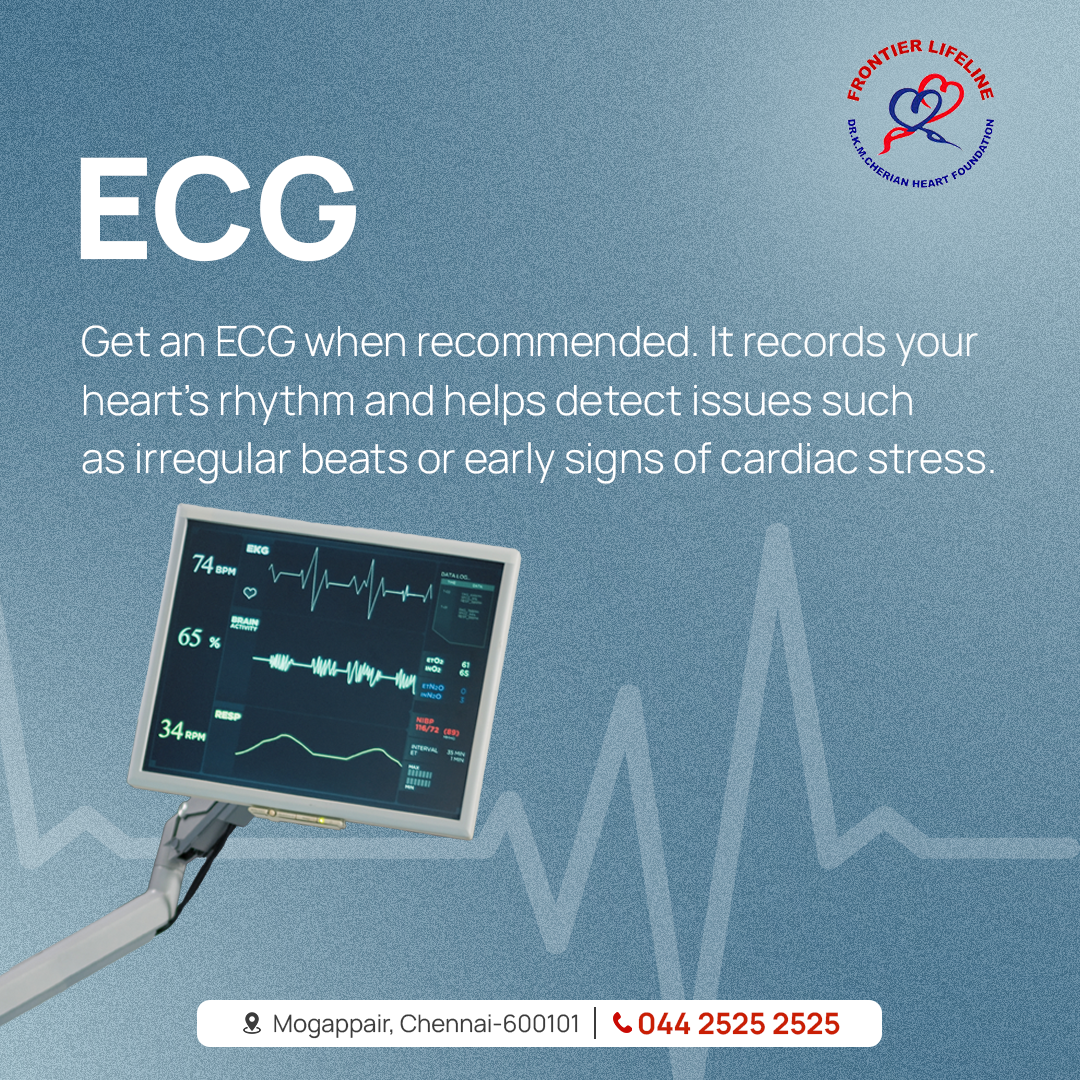
- Cardiac Arrhythmias: Irregular heart rhythms occur when the electrical signals controlling heartbeat become abnormal. Some arrhythmias are harmless, while others may increase the risk of stroke or sudden cardiac arrest. Early evaluation using ECG, Holter monitoring, and electrophysiological studies allows specialists to recommend medications, catheter ablation, or implantable devices depending on the severity of the condition.
- Heart Valve Disorders: The heart contains four valves that regulate blood flow between its chambers. Damage caused by aging, infections, congenital defects, or degenerative disease may result in narrowing or leakage of these valves. Patients may develop fatigue, dizziness, chest discomfort, or breathlessness. Specialized cardiac centers offer both minimally invasive valve repair procedures and advanced surgical treatments depending on the patient’s condition.
Why Choosing the Best Hospital for Cardiology Makes a Significant Difference
The Importance of Specialized Cardiac Care
Not every healthcare facility provides the same level of expertise in managing heart diseases. Cardiology requires specialized knowledge, sophisticated imaging equipment, emergency response systems, highly trained physicians, dedicated intensive care units, and multidisciplinary collaboration. Choosing a hospital that specializes in cardiac care gives patients access to comprehensive services under one roof, improving coordination between diagnosis, treatment, surgery, rehabilitation, and long-term follow-up.
A specialized cardiology hospital also ensures faster diagnosis, evidence-based treatment planning, and continuous monitoring throughout recovery. Patients benefit from individualized care plans developed according to age, lifestyle, medical history, and disease severity rather than receiving generalized treatment. Access to experienced cardiologists, cardiac surgeons, nurses, rehabilitation therapists, nutritionists, and emergency teams further enhances treatment outcomes. These hospitals also remain updated with evolving technologies and advanced minimally invasive procedures that reduce recovery time while improving patient safety.
Essential Services Offered by the Best Hospital for Cardiology
Comprehensive Cardiac Care Under One Roof
The strength of a leading cardiology hospital lies in its ability to deliver complete cardiovascular care from prevention to recovery. Rather than focusing solely on surgeries or emergency treatment, specialized hospitals provide integrated services that support patients throughout every phase of heart care. This multidisciplinary approach improves diagnosis, enhances treatment accuracy, minimizes complications, and promotes lifelong cardiovascular health.
Key services typically include:
- Advanced Diagnostic Evaluation: Comprehensive heart evaluations involve ECG, echocardiography, stress testing, CT coronary angiography, cardiac MRI, Holter monitoring, blood investigations, and other specialized imaging techniques. These tests help cardiologists identify cardiovascular diseases at an early stage, accurately determine disease severity, and develop personalized treatment strategies before complications arise.
- Interventional Cardiology Procedures: Modern cardiology hospitals perform minimally invasive procedures such as coronary angioplasty, stent placement, balloon valvuloplasty, catheter-based interventions, and structural heart procedures. These treatments often eliminate the need for open-heart surgery in selected patients while reducing hospital stay, minimizing discomfort, and enabling faster recovery with excellent clinical outcomes.
- Preventive Cardiology Programs: Prevention remains one of the most valuable services offered by specialized hospitals. Dedicated preventive programs assess risk factors such as hypertension, diabetes, obesity, family history, cholesterol levels, smoking, and lifestyle habits. Personalized counseling, nutrition guidance, exercise planning, and regular follow-up empower individuals to significantly reduce their future risk of developing serious cardiovascular diseases.
- Cardiac Rehabilitation and Long-Term Monitoring: Recovery does not end after hospital discharge. Structured cardiac rehabilitation programs combine supervised exercise, dietary counseling, emotional support, medication management, and continuous monitoring to help patients regain confidence, improve physical fitness, and reduce the chances of future cardiac events while enhancing their overall quality of life.
How the Best Hospital for Cardiology Helps Prevent Heart Disease
Prevention is Always Better Than Cure
One of the greatest strengths of the best hospital for cardiology is its focus on preventing heart disease before it becomes a life-threatening condition. Preventive cardiology combines advanced screening methods, patient education, lifestyle counseling, and regular follow-up care to identify cardiovascular risks at an early stage. Many serious heart conditions develop silently over several years without noticeable symptoms, making routine cardiac evaluations extremely valuable. By detecting risk factors such as high blood pressure, elevated cholesterol, diabetes, obesity, or abnormal heart rhythms early, cardiologists can recommend personalized interventions that significantly reduce the likelihood of heart attacks, strokes, and heart failure. Prevention not only improves quality of life but also minimizes the need for complex medical procedures in the future.
The Future of Cardiology and the Best Hospital for Cardiology
Innovation Continues to Transform Heart Care
Cardiology continues to evolve rapidly through advances in medical technology, digital healthcare, artificial intelligence, robotic-assisted procedures, precision medicine, and minimally invasive interventions. These innovations are reshaping how cardiovascular diseases are diagnosed, treated, and monitored throughout a patient’s lifetime. The best hospital for cardiology remains committed to adopting evidence-based advancements that improve diagnostic accuracy, increase treatment safety, shorten recovery periods, and enhance overall patient outcomes. Continuous investment in research, education, and technology ensures that patients benefit from the latest developments in modern cardiovascular medicine.
Future cardiac care will increasingly emphasize preventive medicine, remote patient monitoring, wearable health technologies, personalized treatment strategies, and multidisciplinary collaboration. As healthcare becomes more patient-centered, cardiology hospitals will continue integrating digital tools with compassionate clinical expertise to provide comprehensive cardiovascular care that focuses not only on extending life but also on improving its overall quality. This ongoing evolution offers hope for better prevention, earlier diagnosis, and more effective management of heart disease for future generations.
Conclusion
Heart health deserves attention long before symptoms appear. Understanding cardiovascular risk factors, maintaining a healthy lifestyle, attending regular health screenings, and seeking timely medical advice all contribute significantly to preventing serious heart disease. Specialized cardiac care goes beyond emergency treatment by offering comprehensive prevention programs, advanced diagnostic services, modern therapeutic procedures, rehabilitation, and long-term patient support. These combined efforts help individuals maintain healthier hearts and enjoy better quality of life throughout every stage of adulthood.
Choosing the best hospital for cardiology means choosing experienced specialists, advanced technology, personalized treatment, and a long-term commitment to cardiovascular wellness. Whether someone requires preventive screening, medical management, minimally invasive intervention, or complex cardiac surgery, receiving care from a dedicated cardiology center greatly improves the chances of successful treatment and lasting recovery. By making informed healthcare decisions and prioritizing heart health today, individuals can reduce future cardiovascular risks and build a stronger foundation for a healthier tomorrow.