
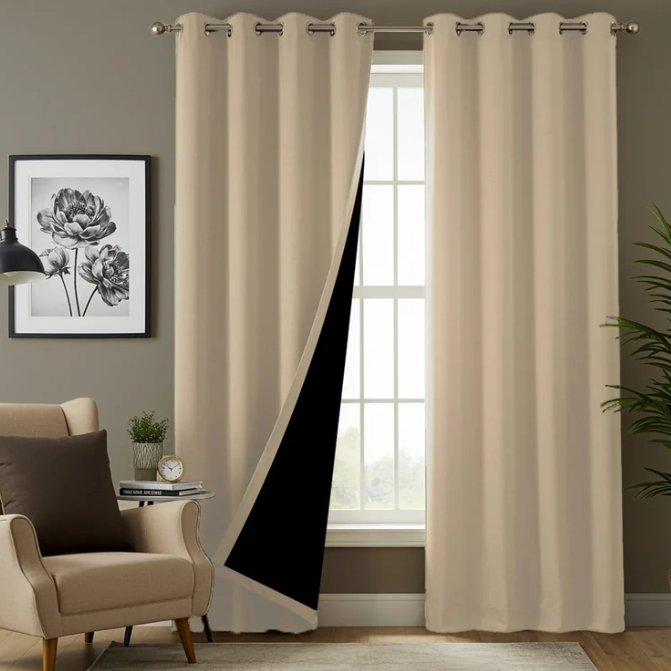
Most people buy curtains the same way they buy cushions.
They see a color they like.
Maybe a pattern catches their attention. Perhaps the fabric feels soft in the store. A few minutes later, the purchase is done.
Then the curtains go up.
And something feels off.
The room looks smaller than expected. The fabric doesn’t fall the way it did in the showroom. Sunlight still pours in during the afternoon. Or worse, the windows suddenly become the most awkward-looking part of the room.
The truth is that buying curtains is not as simple as choosing a design. A good window treatment can completely change how a room looks and feels, while the wrong choice can make even a beautifully furnished space seem unfinished.
Before you buy your next set of curtains, there are a few things worth knowing.
The Biggest Mistake? Ignoring Measurements
Ask an interior designer about the most common curtain mistake, and you’ll probably hear the same answer.
Poor measurements.
People often measure only the width of the window and forget about the overall visual effect.
A well-designed curtain setup usually extends beyond the window frame. This makes the window appear larger and allows more natural light when the curtains are open.
Here’s a simple guide:
| Window Element | Recommended Approach |
| Width | Extend beyond the frame |
| Length | Reach floor level whenever possible |
| Rod Placement | Install higher than the window |
| Fullness | Use enough fabric for a gathered look |
Even premium curtains can look underwhelming when the proportions are wrong.
Fabric Matters More Than Color
Color usually gets all the attention.
Fabric deserves more of it.
Different materials create different moods.
Light cotton fabrics feel relaxed and airy. Linen creates a casual yet refined appearance. Heavier fabrics bring warmth and improve privacy.
Before choosing a fabric, think about how the room is used.
A bedroom may require better light control.
A living room may benefit from softer, breathable materials.
A study may need something in between.
The best curtains are not necessarily the most expensive ones. They are the ones that suit the room’s purpose.
Not Every Room Needs the Same Curtain
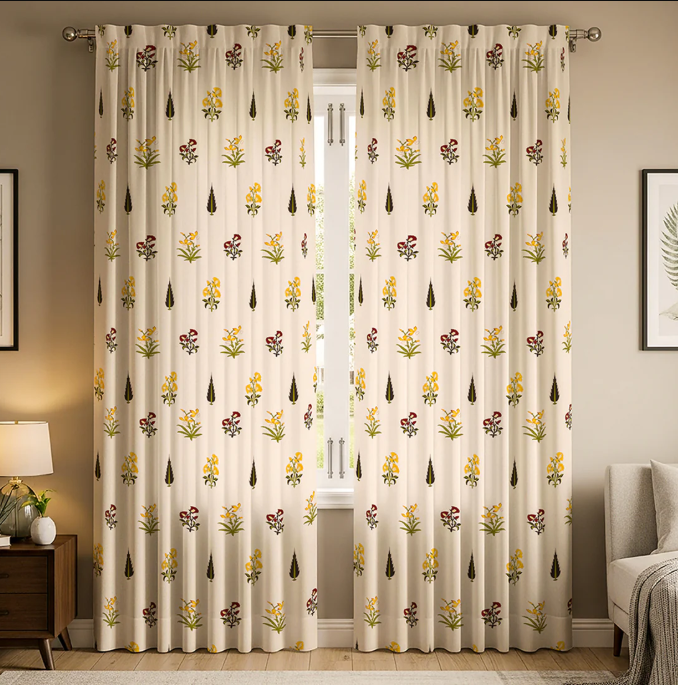
This sounds obvious, yet many homeowners use identical curtains throughout the house.
Uniformity can work, but it isn’t always the best approach.
Different rooms have different needs.
Living Room
- Balanced light control
- Decorative appeal
- Comfortable atmosphere
Bedroom
- Privacy
- Better darkness
- Noise reduction
Dining Area
- Soft natural light
- Easy maintenance
- Elegant appearance
Choosing room-specific curtains often produces better results than trying to use one solution everywhere.
Where Window Blinds Fit In
There is a reason window blinds have become increasingly popular.
They solve certain problems extremely well.
For example:
- Better control over sunlight
- Cleaner, minimal appearance
- Compact design
- Easy operation
In smaller spaces, window blinds can sometimes feel less bulky than traditional curtains.
That doesn’t mean they are always the better option.
The right choice depends on the room, the amount of sunlight, and the overall design style.
Curtains vs Window Blinds
Many homeowners eventually face the same question.
Should you choose curtains or window blinds?
Here’s a quick comparison:
| Feature | Curtains | Window Blinds |
| Softness | High | Moderate |
| Light Control | Good | Excellent |
| Warmth | Excellent | Moderate |
| Maintenance | Moderate | Easy |
| Decorative Impact | High | Minimalist |
| Privacy | Excellent | Good |
There is no universal winner.
Many well-designed homes actually combine both.
The Layering Trick Designers Love
One reason professionally designed rooms often feel more polished is layering.
Instead of choosing between curtains and window blinds, designers frequently use both.
The blinds handle light control.
The curtains add softness and visual depth.
This combination provides flexibility throughout the day.
Morning sunlight can be filtered through blinds.
Evenings can feel cozy with full curtain coverage.
Layering also creates a more premium appearance without requiring expensive décor elsewhere.
Don’t Forget About Maintenance
Beautiful window treatments lose their appeal quickly if they are difficult to maintain.
Before making a purchase, consider:
- Dust accumulation
- Washing requirements
- Sun exposure
- Fabric durability
Some materials require professional cleaning.
Others can be washed at home.
Similarly, certain window blinds need only occasional dusting, making them suitable for busy households.
Maintenance may not be exciting, but it affects long-term satisfaction.
Light Control Is More Important Than People Realize
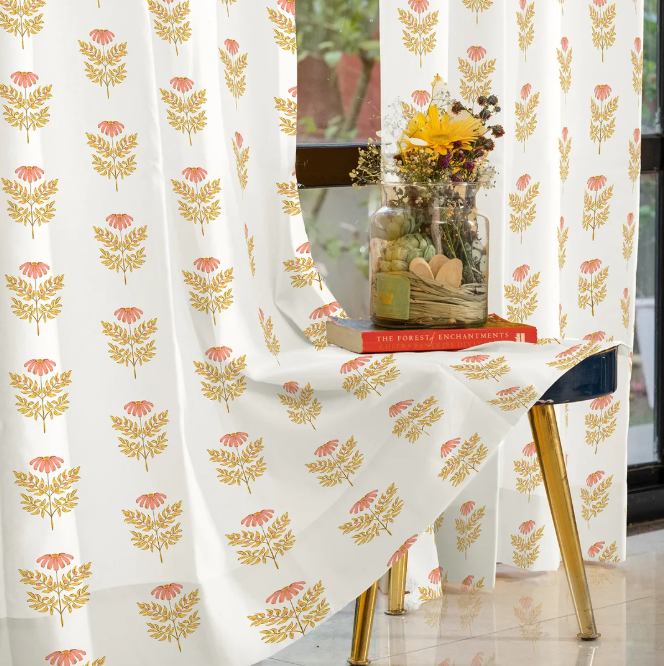
Most people notice light only when there is too much or too little of it.
The right curtains help manage that balance.
Think about the direction your windows face.
A west-facing room may receive intense afternoon sunlight.
A north-facing room may need help feeling brighter.
The goal isn’t simply blocking light.
It’s controlling it.
This is another area where window blinds can be useful. Their adjustable structure allows homeowners to fine-tune the amount of natural light entering the room.
A comfortable room often starts with comfortable lighting.
The Hidden Impact on Room Size
Here’s something many people discover only after installing new curtains.
Window treatments influence how large a room feels.
Floor-length curtains generally create a stronger sense of height.
Higher rod placement draws the eye upward.
Wider installations make windows appear larger.
These small visual tricks can significantly change the perception of a room.
That’s why designers pay so much attention to window placement and proportions.
The right curtains can make a modest room feel surprisingly spacious.
Trends Come and Go, Practicality Stays
Home décor trends change constantly.
One year it’s bold prints.
The next year it’s minimal neutrals.
But practical decisions tend to age better than trend-driven ones.
Instead of asking whether a curtain design is fashionable, ask:
- Will I still like it in three years?
- Does it work with my furniture?
- Does it support the room’s function?
- Is it easy to maintain?
These questions often lead to better purchases.
What Homeowners Often Regret
When people replace window treatments, their reasons are surprisingly similar.
Common regrets include:
✔ Buying based only on appearance
✔ Ignoring measurements
✔ Choosing difficult-to-maintain fabrics
✔ Underestimating sunlight exposure
✔ Selecting the wrong level of privacy
Avoiding these mistakes can save both time and money.
A Simple Buying Checklist
Before finalizing your purchase, run through this checklist:
| Question | Yes/No |
| Have you measured correctly? | |
| Does the fabric suit the room? | |
| Is privacy adequate? | |
| Is maintenance manageable? | |
| Does the style match your décor? | |
| Have you considered window blinds as an alternative? |
A few extra minutes of planning can prevent costly disappointments later.
Final Thoughts
Buying curtains is not really about fabric. It’s about how you want a room to feel. The right choice supports all of those goals at once.
Whether you choose traditional curtains, modern window blinds, or a layered combination of both, the most successful window treatments are the ones that balance function with appearance.
Interestingly, discussions among homeowners often mention brands like Urban Space when sharing window styling ideas because people increasingly look for products that combine practicality with design.
At the end of the day, great window treatments don’t draw attention to themselves.
They make the entire room look better.
And that’s exactly what they should do.
