
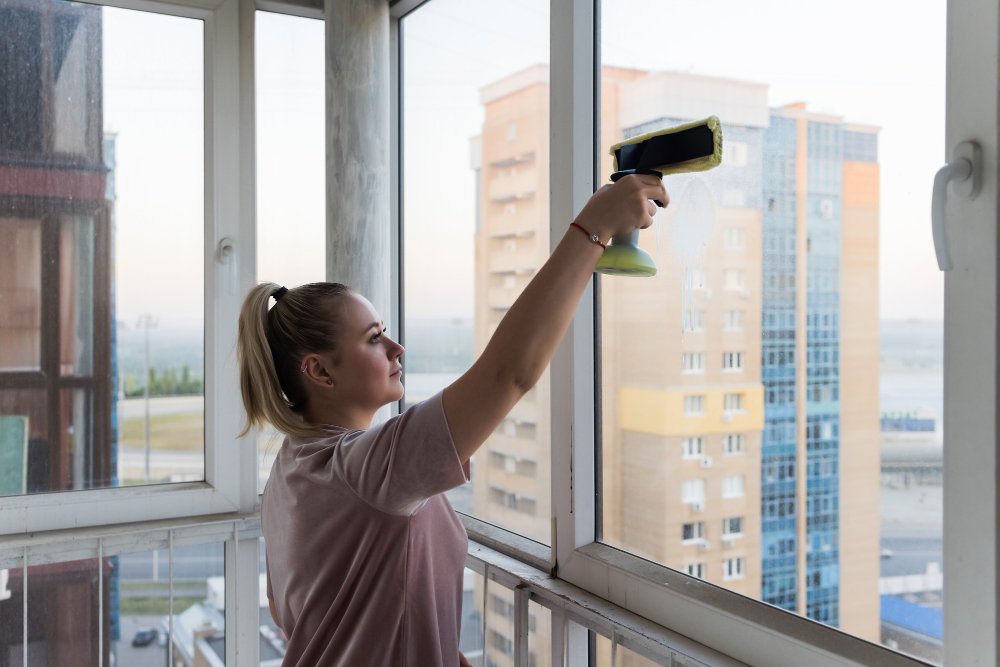
Windows play an important role in the comfort, appearance, and functionality of modern buildings. Beyond providing natural light and ventilation, they contribute to energy efficiency, security, and overall property value. When selecting an Awning Window Philippines solution, property owners and developers should evaluate several factors that affect long-term performance. Material selection, safety features, and operational reliability all influence how well a window system performs throughout its lifespan. Understanding these considerations can help buyers choose window solutions that align with both practical requirements and design objectives.
Choosing the Right Window Materials
Understanding the Benefits of Aluminum Frames
Aluminum remains one of the most widely used materials for awning windows because of its strength, durability, and modern appearance. Its structural stability allows for slimmer frame profiles, which can maximize glass areas and support contemporary architectural styles. This combination of strength and aesthetics makes aluminum a popular choice for both residential and commercial projects.
Another advantage is its resistance to warping, cracking, and corrosion when properly manufactured and finished. These qualities help maintain the window’s appearance and functionality over time, particularly in environments exposed to varying weather conditions.
Comparing Material Performance Factors
While aluminum is a common choice, buyers should also evaluate other performance factors when selecting materials. Durability, maintenance requirements, thermal properties, and overall lifespan can vary depending on the material used. Understanding these differences helps ensure that the selected window system meets the needs of the building and its occupants.
Material selection should also consider the property’s location and expected environmental exposure. A window system that performs well under local conditions is more likely to provide consistent results over the years without requiring extensive upkeep.
Evaluating Essential Safety Features
Selecting Reliable Locking Mechanisms
Security is an important consideration for any window system. Awning windows should be equipped with reliable locking mechanisms that help prevent unauthorized access while remaining easy for occupants to operate when needed. High-quality hardware contributes to both security and everyday convenience.
The effectiveness of a locking system often depends on the quality of its components and installation. Choosing products that prioritize secure operation can provide greater confidence while maintaining the functionality expected from modern window designs.
Considering Safety Glass Options
Glass selection plays a significant role in window safety. Many property owners choose safety glass options that are designed to reduce the risk of injury if breakage occurs. These products can provide added protection in homes, offices, schools, and other occupied spaces.
Safety-focused glass solutions may also contribute to overall building resilience. Depending on the project’s requirements, they can offer additional benefits that support occupant protection while preserving visibility and natural light.
Understanding Ventilation and Weather Performance
Maximizing Natural Airflow
One of the defining features of awning windows is their ability to provide ventilation while maintaining a degree of protection from outdoor elements. Because the sash opens outward from the bottom, fresh air can enter even during light rain, making these windows useful in many climates.
Effective ventilation supports indoor comfort by encouraging air circulation throughout the building. This can be especially beneficial in spaces where maintaining fresh airflow is a priority during daily occupancy.
Managing Rain and Outdoor Conditions
Weather resistance is a key factor when evaluating window performance. Properly designed awning windows help limit water intrusion while allowing ventilation under suitable conditions. Their outward-opening design can offer practical advantages in regions where rainfall is a frequent consideration.
Performance depends not only on the window design but also on manufacturing quality and installation standards. Attention to these details helps ensure that the system performs consistently throughout changing weather conditions.
Assessing Energy and Comfort Performance
Supporting Indoor Temperature Control
Windows influence how heat enters and leaves a building, which can affect overall comfort levels. Selecting products with suitable glazing and frame systems can help improve temperature management inside occupied spaces. These considerations become particularly relevant in buildings designed to reduce reliance on mechanical cooling systems.
Well-chosen window systems contribute to a more balanced indoor environment throughout the year. This can enhance occupant comfort while supporting broader building performance goals.
Reducing Glare and Enhancing Daylighting
Natural light remains one of the most valued features in modern architecture. Awning windows can help introduce daylight into interior spaces while maintaining privacy and ventilation. The right glass selection can further improve comfort by managing glare and reducing excessive heat gain.
Balanced daylighting creates brighter and more welcoming environments. When integrated thoughtfully into building design, window systems can contribute to both visual comfort and overall usability of interior spaces.
Considering Long-Term Reliability and Maintenance
Evaluating Hardware Quality
The performance of an awning window depends heavily on its hardware components. Hinges, handles, locks, and operating mechanisms should be designed to withstand regular use without compromising functionality. High-quality hardware helps ensure smooth operation throughout the window’s service life.
Reliable components can also reduce the likelihood of maintenance issues developing over time. Investing in durable hardware often supports better long-term performance and user satisfaction.
Planning for Ongoing Maintenance
Even durable window systems benefit from routine maintenance. Cleaning tracks, inspecting seals, and checking hardware periodically can help preserve performance and appearance. These simple practices often extend the lifespan of the window and reduce the likelihood of avoidable repairs.
Property owners who include maintenance as part of their long-term building management strategy often find it easier to maintain consistent window performance. Regular attention helps keep the system functioning as intended while preserving its overall value.
Key Takeaway
Selecting the right Awning Window Philippines solution involves more than choosing a design that looks appealing. Material quality, safety features, ventilation capabilities, energy performance, and maintenance requirements all influence how effectively a window serves a building over time. By evaluating these factors carefully, property owners and developers can make informed decisions that support comfort, security, and long-term reliability. A well-chosen awning window system can complement modern architecture while delivering practical benefits that continue to add value for years to come.
