
First visual impression plays a strong role in how a customer reacts to food. When someone sees food for the first time, the brain quickly forms an opinion even before tasting it. This moment is very short, but it decides if the person feels interested or not. Clean and well-arranged food gives a sense of care and attention. People often judge quality through what they see first. In many cases, this judgment happens faster than thinking or reading details. When food looks fresh and carefully arranged, it feels more valuable. Even simple food can look special if they are shown in a thoughtful way. Customers do not always realize it, but their minds connect visual appeal with taste.
How does the simple food’s appearance affect customer decisions?
A simple food appearance affects decision making in a clear way. When food is arranged without extra elements, understanding becomes easier for viewers. People often avoid confusion during food choice, and a simple layout helps the mind stay focused on the main item without distraction from unnecessary details.
Messy presentations can reduce interest and can create doubt about preparation methods. Order in serving gives a message of care and shows that the process follows proper steps. Many food sellers use this idea to guide customer response and to create a stable connection between seller and buyer. This connection forms without words and helps build trust over time through repeated experience.
Why do colors in presentations change food perception?
Colors affect how people respond to food in a natural way. The mind connects color with taste and feeling, and this connection changes perception before eating begins. Visual signals guide the brain toward expectation, and expectation shapes interest level in a strong way.
Different colors give different signals to the brain during food selection. Green links with a freshness feeling, red links with intensity, and yellow links with warmth. These signals guide choice and influence final decisions in a quick moment. Color use becomes part of the decision process in food selection and helps food stand out without a change in ingredients or cooking method.
How does a neat arrangement build trust in food quality?
Arrangement of food affects trust in a direct way. When items are placed in order, people assume care in preparation and handling. This trust forms quickly and becomes part of the decision process without long thinking or deep analysis from the customer’s side.
Order in food display shows attention to detail and reflects effort behind the preparation stage. Customers connect this with safety and taste, and this link builds confidence in food quality. Trust becomes part of repeat behavior, and many food sellers use the arrangement as a method to keep customers returning again for the same experience and the same level of satisfaction.
Why does wrapping clarity improve freshness?
Wrapping clarity changes how food is viewed by customers. When covering is neat, a sense of protection becomes visible and strong in perception. People connect this with freshness and safety, and this connection supports positive reaction during the purchase moment.
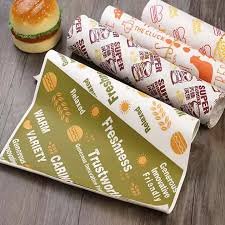
Some businesses use special designs like custom food wrapping sheets with logo to make food look more trusted and fresh. It also helps customers remember the place where they bought it. A clean look is not only about beauty but also about comfort.
How do hygiene signals in presentations influence buyers?
Hygiene signals affect buyer choice in a strong way. When food looks handled with care, customers feel safe and more willing to try the product. Visual signs guide this feeling and help create a sense of security in mind.
Clean handling impression increases confidence and supports faster decision making. People decide faster when feeling of safety is present, and this factor plays a major role in the food selling process. Trust from hygiene perception often leads to repeat purchase and builds long-term connection between customer and food seller.
What role does storytelling through presentation play?
Presentations can show messages without words and can create connections through visual elements. Arrangement, color, and structure can show effort or culture in a simple way. This silent message reaches customers without need for explanation or text.
Customers connect emotionally with what they see, and this connection builds memories of food experience. Story-like presentation helps food stay in mind for a longer time and supports recognition during future visits. This approach turns a simple food into an experience that customers can remember and share with others.
How does cultural influence affect food presentation choices?
Culture affects how food is shown and how people respond to different styles. Different places follow different serving habits, and these habits guide customer expectation in a strong way. Food presentation often reflects local values and traditions.
In Canada, food serving style, structure, and balance are often used to guide presentation. Other regions may follow different methods based on local culture and habits. These differences affect how customers respond to food in new places and shape overall food experience during travel or new exposure.
Why does online food viewing depend on presentation style?
Online food viewing changes buying behavior in modern times. People decide based on images before tasting, and this makes appearance very important in digital space. Visual quality becomes a key factor in attracting attention.
Food that is shown in clear structure gains attention online and spreads faster across platforms. Social platforms increase reach and help food images connect with large audiences. Presentation becomes part of digital decision making and influences customer choice even before physical interaction with the product.
How can simple materials change customer interest?
Materials used in serving affect response and change perception in a quiet way. Even basic items can influence how food is viewed when used with care and thought. Small changes can bring noticeable differences in customer reaction.
One example is using custom printed paper for food presentation, which adds a clean and simple look while keeping the focus on food itself. These small changes help in building a better image. Customers notice when effort is made in small details. It shows that the business cares about quality and experience.
How do businesses use presentations for repeat sales?
Repeat sales depend on the memory of the experience and the connection built during the first visit. When a food presentation stays in memory, customers return again with the expectation of the same experience. Visual memory plays a role in this return behavior.
Consistency in serving style helps recognition and builds trust over time. Customers link appearance with experience, and this link creates a habit of return. Many food businesses rely on this pattern for growth and long-term success in a competitive market.
How can brands improve results using better wrapping ideas?
Better wrapping ideas support food presentation and improve customer response. When food is shown in a clear structure, interest increases, and decisions become easier for customers. Visual clarity supports better engagement. Businesses like Wax Papers Hub support food sellers in improving serving style through simple solutions. This helps businesses stay in customers’ memories and maintain recognition.
