
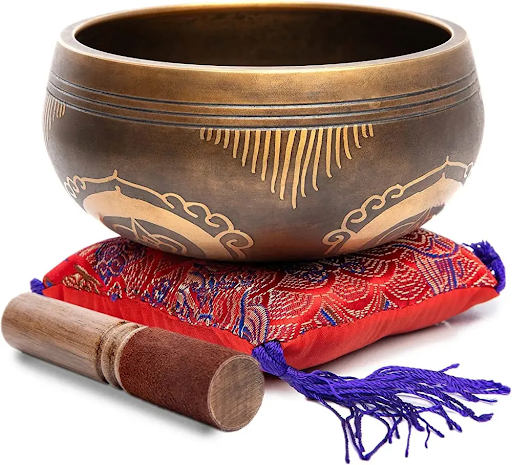
A world filled with mass-produced goods, people are increasingly searching for items that carry meaning, story, and authenticity. Handmade cultural products are not just decorative pieces; they reflect identity, tradition, and generations of skill passed down through artisans. This is exactly why Himalayan art and craft traditions are gaining global attention.
For those who value heritage, spirituality, and craftsmanship, exploring the world of handmade Himalayan goods opens a door to something truly unique. At the heart of this tradition lies authentic Nepalese & Tibetan craftsmanship, where every item is created with patience, devotion, and cultural significance.
These are not just products; they are expressions of a living heritage that continues to thrive in the Himalayan region.
The Cultural Value Behind Himalayan Handmade Art
Himalayan craftsmanship is deeply rooted in spiritual and cultural traditions. Artisans from Nepal and Tibet often learn their skills through family lineage, where techniques are preserved and refined over generations. This makes each product not only handmade but also historically meaningful.
The beauty of these creations lies in their imperfections; each mark, carving, or brushstroke represents human touch rather than machine precision. Whether it is metalwork, textile art, or carved artefacts, the essence of authentic Nepalese & Tibetan craftsmanship is always present in the details.
What makes these items even more special is their connection to daily life and spirituality in Himalayan communities. Many objects are used in rituals, meditation practices, and cultural ceremonies, giving them deeper symbolic value beyond aesthetics.
Why Himalayan Artisan Products Are Becoming Globally Popular
In recent years, there has been a growing appreciation for sustainable, ethical, and handmade goods. Consumers are moving away from factory-made items and leaning toward products that support real communities.
Himalayan artisan goods stand out because they combine beauty with purpose. Many platforms now offer access to Nepali & Tibetan artisan products, helping global buyers connect directly with traditional craftsmanship while supporting local artisans.
Some key reasons behind their rising popularity include:
- Strong cultural and spiritual symbolism
- Environmentally sustainable handmade production
- Unique, one-of-a-kind designs
- Support for rural artisan communities
- High durability and artistic value
This shift reflects a broader lifestyle change where people prefer meaningful ownership over mass consumption.
The Spiritual Power of Singing Bowls
Among the most recognised Himalayan creations are singing bowls, known for their calming sound and meditative qualities. These bowls are traditionally used in sound healing, meditation practices, and spiritual rituals.
Today, many wellness seekers actively search for Tibetan singing bowls for sale as they integrate sound therapy into their daily routines. The soothing vibrations produced by these bowls are believed to help reduce stress, improve focus, and create a sense of inner balance.
What makes them truly special is not just their sound but also their craftsmanship. Each bowl is carefully handcrafted using traditional metalworking techniques, ensuring that no two pieces are exactly the same.
Common uses of singing bowls include:
- Meditation and mindfulness practice
- Yoga sessions and relaxation therapy
- Energy cleansing and healing rituals
- Spiritual ceremonies and offerings
These uses highlight how deeply connected Himalayan art is to mental and emotional well-being.
The Art of Preservation Through Craft
One of the most important aspects of Himalayan craftsmanship is preservation. In a rapidly modernising world, these traditions face the risk of fading away. However, the continued demand for handmade goods helps keep these cultural practices alive.
Artisans rely on their skills not just for income but also for cultural expression. Every product created is a reflection of identity, belief, and heritage passed down through centuries. This is why supporting handmade goods is more than just a purchase; it is participation in cultural preservation.
At the core of this movement is Nepalese & Tibetan craftsmanship, which continues to inspire designers, collectors, and spiritual seekers worldwide.
How to Identify Genuine Handmade Himalayan Products
With growing demand, it has become important for buyers to recognise authentic products. Genuine Himalayan crafts are distinct in their detailing, materials, and imperfections that reflect human effort.
Here are a few indicators of authenticity:
- Slight variations in design and texture
- Use of traditional materials like brass, copper, and natural fibers
- Handmade finish instead of machine-perfect uniformity
- Cultural motifs and symbolic engravings
- Evidence of artisan origin or fair-trade sourcing
Being aware of these details ensures that buyers truly experience the value behind handcrafted goods.
Supporting Artisans and Sustainable Traditions
Choosing handmade Himalayan products directly contributes to sustaining artisan communities. Many of these craftsmen live in remote regions where traditional skills are one of the primary sources of livelihood.
By purchasing their work, customers help preserve centuries-old techniques and ensure that future generations continue to learn them. This creates a cycle of cultural sustainability and economic empowerment.
The global appreciation for Himalayan art also encourages younger generations in Nepal and Tibet to continue their ancestral craft rather than shifting entirely to industrial work.
The Emotional Connection Behind Handmade Goods
Unlike factory-produced items, handmade Himalayan crafts often carry emotional depth. Each piece represents hours of labour, intention, and cultural meaning. When someone owns such an item, they are not just buying décor; they are connecting with a story.
This emotional value is what sets these products apart in today’s marketplace. Whether used for meditation, home decoration, or gifting, they create a sense of connection between the artisan and the buyer.
Conclusion
Himalayan art and craft traditions are more than just creative expressions; they are living symbols of culture, spirituality, and human connection. From intricate carvings to sacred sound instruments, each piece reflects centuries of tradition and dedication.
The growing appreciation for handmade goods highlights a shift toward more meaningful consumption. At the centre of this movement is traditional craftsmanship, which continues to inspire and connect people across the world. As interest in cultural and spiritual products grows, so does the importance of preserving these traditions for future generations. Whether it is art, décor, or meditation tools, every handmade item carries a piece of the Himalayas into modern life.
A curated online destination offering authentic handmade goods inspired by Himalayan culture, focusing on traditional artistry and spiritual craftsmanship. Himalayan Bazaar: The platform connects global customers with skilled artisans from Nepal and Tibet, showcasing cultural heritage through carefully crafted products.
