
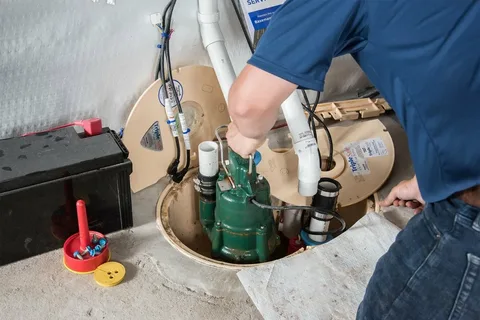
Installing a sump pump is one of the best ways to protect your home from basement flooding and water damage. If you live in areas with heavy rain, melting snow, or high groundwater levels, a sump pump can save your home from serious structural problems.
This guide will explain everything in simple English so homeowners can understand the full installation process, benefits, and maintenance tips.
What Is a Sump Pump?
A sump pump is a device installed in the lowest part of your basement or crawl space. Its job is to remove excess water and pump it away from your home before it causes flooding.
It sits inside a pit called a “sump basin,” where water collects. When the water level rises, the pump automatically turns on and pushes water outside through a discharge pipe.
Why Sump Pumps Are Important for Salt Lake Area Homes
Homes in the Salt Lake area often deal with:
- Heavy seasonal rainfall
- Snow melting in spring
- High groundwater pressure
- Basement moisture problems
Without a sump pump, this water can enter your basement and cause:
- Flooding
- Mold growth
- Damage to flooring and walls
- Weak foundation structure
That’s why many homeowners consider professional installation or services like sump pumps salt lake ut for reliable protection.
Types of Sump Pumps
Before installation, it is important to know the types of sump pumps:
1. Submersible Sump Pump
- Installed inside the sump pit
- Works underwater
- Quiet and powerful
- Best for frequent flooding areas
2. Pedestal Sump Pump
- Motor stays above the pit
- Easier to repair
- Slightly noisier
- Good for smaller basements
3. Battery Backup Sump Pump
- Works during power outages
- Very useful during storms
- Provides extra safety
Tools and Materials Needed for Installation
If you plan to understand or attempt installation, these tools are commonly used:
- Sump pump unit
- Sump basin (pit container)
- PVC pipes and fittings
- Check valve
- Gravel
- Shovel and digging tools
- Drill machine
- Waterproof sealant
- Measuring tape
Step-by-Step Sump Pump Installation Guide
Step 1: Choose the Right Location
Select the lowest point in your basement where water naturally collects. This is where the sump pit will be installed.
Step 2: Dig the Sump Pit
- Dig a hole large enough for the sump basin
- Depth usually ranges from 2 to 3 feet
- Make sure the base is stable and level
Step 3: Install the Sump Basin
- Place the basin into the hole
- Fill around it with gravel for stability
- Ensure it is tightly fixed in place
Step 4: Position the Sump Pump
- Place the pump inside the basin
- Connect it to the discharge pipe
- Install a check valve to stop backflow
Step 5: Install the Discharge Pipe
- Run PVC pipe from pump to outside your home
- Ensure water flows away from the foundation
- Avoid letting water drain near your house
Step 6: Seal and Secure Everything
- Use waterproof sealant around pipe connections
- Cover the basin with a lid to prevent debris entry
Step 7: Test the System
- Pour water into the pit
- Check if the pump turns on automatically
- Make sure water is discharged properly outside
Important Tips for Homeowners
Here are some useful tips to ensure long-lasting performance:
- Always install a check valve
- Keep discharge pipes clear of blockage
- Test your pump every few months
- Clean the sump pit regularly
- Install a battery backup for emergencies
Common Mistakes to Avoid
Many homeowners make simple mistakes during installation:
- Incorrect pit location
- Poor drainage direction
- No backup system
- Using low-quality pipes
- Ignoring maintenance
Avoiding these mistakes helps extend the life of your sump pump.
Signs You Need a New Sump Pump
You may need replacement if:
- Pump runs continuously
- Strange noises are coming from the unit
- Basement still floods
- Pump is over 7–10 years old
- Water is not being discharged properly
Maintenance Tips for Long Life
To keep your sump pump working properly:
- Clean debris from the pit
- Test before rainy season
- Check power supply regularly
- Inspect pipes for leaks
- Replace worn-out parts quickly
When to Call a Professional
While DIY installation is possible, many homeowners prefer professional help for safety and accuracy. If you are unsure, it’s best to contact experts who specialize in sump pump systems.
In fact, many residents rely on trusted local services for proper installation, inspection, and repair of systems like sump pumps salt lake ut to ensure long-term protection.
Final Thoughts
A sump pump is one of the most important systems for protecting your basement from flooding and water damage. Proper installation ensures safety, peace of mind, and long-term savings.
By following the steps above and maintaining your system regularly, you can protect your home from costly water damage and keep your basement dry all year round.
