
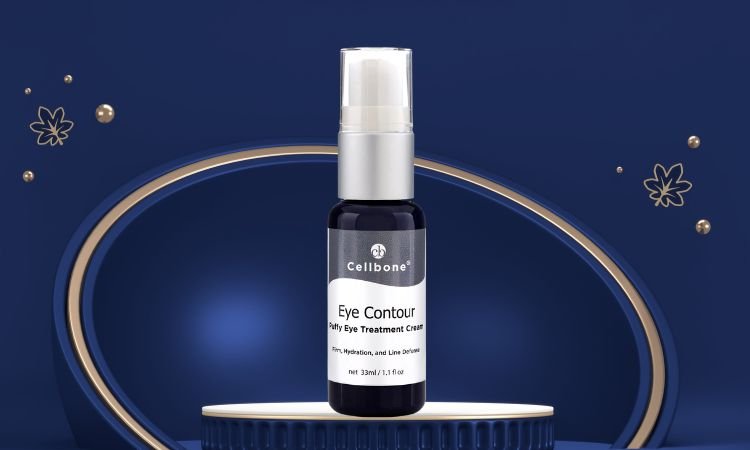
The first place most people notice changes in their skin isn’t their cheeks or forehead, it’s around the eyes. A late night, a stressful week, or just normal aging tends to show up there first. That delicate area can start looking tired, slightly puffy, or a little darker than usual even when the rest of your skin looks fine. If you’re new to targeted skincare, understanding how the eye contour works can make choosing the right product far less confusing.
Why the Skin Around Your Eyes Behaves Differently
Dermatologists often describe the eye area as the most delicate region on the face. The skin here contains fewer sebaceous glands, which means it doesn’t naturally produce as much oil to protect itself. At the same time, this area is constantly in motion. Every blink, smile, or squint engages the muscles around the eyes.
Because of that combination – thin skin, limited oil production, and constant movement, this area tends to show fatigue and aging earlier. Even small changes in hydration levels can make fine lines appear more noticeable. That’s why many skincare routines include a product designed specifically for this zone rather than relying on a general face cream.
What an Eye Contour Product Is Actually Designed to Do
When people hear the phrase “eye cream,” they often assume it’s just a smaller version of a face moisturizer. In reality, these formulas are built differently. The goal is to deliver hydration and active ingredients without overwhelming delicate skin.
A well-formulated product usually focuses on three things: improving hydration, supporting collagen production, and helping reduce the appearance of puffiness or discoloration. Ingredients like hyaluronic acid draw moisture into the skin, peptides help encourage collagen renewal, and antioxidants protect against environmental stress that can speed up visible aging.
Another difference is texture. Eye treatments are typically lighter than standard creams, allowing them to absorb quickly without leaving a heavy layer that might migrate into the eyes.
Understanding the Most Common Eye Concerns
First-time buyers often notice similar issues around the eyes. While they can look alike, they usually have different underlying causes.
Fine lines tend to develop when skin loses elasticity and hydration. The natural decline in collagen production, something dermatologists say begins in the mid-20s plays a big role here. Peptides, retinoid derivatives, and antioxidant ingredients are often used to support smoother texture.
Dark circles are more complicated. In some people they come from hyperpigmentation, while in others they’re caused by visible blood vessels beneath thin skin. Ingredients like vitamin C, niacinamide, and caffeine are often recommended because they help brighten tone and support circulation.
Puffiness usually appears after poor sleep, allergies, or fluid retention. Cooling gels and caffeine-based formulas are commonly used to help reduce swelling temporarily.
How First-Time Buyers Should Choose an Eye Product
Choosing your first eye treatment doesn’t need to feel overwhelming. Instead of focusing on brand names or packaging, it helps to think about skin type and the main concern you want to address.
People with oily or combination skin often prefer lightweight gels or serums because they absorb quickly and don’t leave residue. Normal skin usually responds well to light creams that balance hydration without feeling heavy. Those with dry or mature skin may benefit from richer formulas that include ceramides or nourishing oils.
Another practical tip dermatologists often share is to pay attention to ingredient lists. Fragrance-free formulas tend to be better tolerated around the eyes, and lower concentrations of active ingredients reduce the chance of irritation.
How to Apply Eye Products Without Irritating the Skin
Application technique makes a surprising difference. Many people apply eye creams too close to the lash line or rub the area aggressively, which can stretch delicate skin.
A small amount (roughly the size of a grain of rice) is usually enough for both eyes. Using the ring finger, gently tap the product along the orbital bone. The warmth of your skin will gradually allow the product to move where it needs to go.
Consistency matters more than quantity. Applying the product morning and night typically provides better results than using a large amount occasionally.
How Eye Care Fits Into a Skincare Routine
Eye contour care works best when it’s part of a balanced routine rather than a standalone solution. Hydration, sun protection, and gentle cleansing all support the overall health of the skin.
Many skincare routines start with a mild cleanser, followed by a targeted treatment for the eyes. After that, serums and moisturizers are applied to the rest of the face. Some people also use a skin rejuvenation serum in the evening to support cell turnover and improve overall texture. When layered properly, these products complement each other and help maintain smoother skin over time.
Sun protection deserves special attention. Ultraviolet exposure accelerates collagen breakdown, which directly affects the appearance of fine lines around the eyes.
Mistakes First-Time Buyers Often Make
One common mistake is expecting instant results. While hydration improvements can appear quickly, changes in texture or pigmentation often take several weeks.
Another issue is using facial retinol products too close to the eyes. Eye-specific formulations are designed with lower strengths to reduce irritation while still offering benefits.
Finally, many people skip eye care entirely when they’re younger, assuming it’s only necessary later in life. In reality, preventative care – especially hydration and sun protection often makes the biggest difference over time.
When You’ll Start Seeing Results
Hydration improvements are usually the first noticeable change. Within a week or two, the skin around the eyes may feel smoother and less tight. Over the following month, improvements in tone and texture become more visible as the skin renews itself.
Patience and consistency tend to produce better outcomes than constantly switching products.
FAQs
What is the eye contour area?
The eye contour refers to the delicate skin surrounding the eyes, including the under-eye area and the outer corners where fine lines often develop.
At what age should someone start using eye contour skincare?
Many dermatologists suggest beginning in the mid-20s when collagen production naturally begins to decline.
Can I use regular moisturizer around my eyes?
Some moisturizers work, but eye-specific products are formulated to be gentler and less likely to cause irritation.
How often should eye contour products be used?
Most are designed for twice-daily use, once in the morning and once at night.
Should eye skincare be applied before or after moisturizer?
Eye treatments are usually applied after cleansing but before heavier creams.
