
Consumers today pay closer attention to product quality, freshness, and ingredient stability than previous generations often considered necessary. This growing awareness extends across many wellness categories, including hemp-derived formulations designed for relaxation, balance, and lifestyle support. Understanding how long cannabinoid products maintain effectiveness and freshness has therefore become increasingly important for individuals seeking consistent experiences and responsible purchasing decisions. Shelf life directly influences product quality, flavor, aroma, texture, and cannabinoid integrity over time.
The concept of product longevity involves more than simple expiration dates printed on packaging. Multiple environmental and manufacturing factors influence how quickly ingredients degrade or lose effectiveness during storage. Temperature fluctuations, air exposure, moisture levels, packaging quality, ingredient composition, and production standards all contribute significantly to long-term stability outcomes. Consumers who understand these influences often make more informed storage and purchasing decisions successfully.
As cannabinoid markets continue expanding, product diversity has increased dramatically across oils, beverages, edibles, topicals, capsules, and wellness supplements. Each category responds differently to environmental conditions because formulations vary substantially in ingredients, preservation methods, and packaging technologies. Products containing natural flavorings, organic materials, or botanical extracts may experience different stability patterns compared to more processed formulations.
Factors That Influence the Stability of CBD-Infused Products
Product longevity depends on several interconnected factors affecting ingredient integrity and environmental resilience throughout storage periods. Cannabinoid formulations contain delicate compounds capable of changing gradually when exposed to unfavorable conditions repeatedly over time. Understanding these influences helps consumers preserve product quality more effectively while reducing unnecessary waste and disappointment.
Temperature remains one of the most influential variables affecting cannabinoid stability. Excessive heat may accelerate chemical degradation, weaken potency, and alter flavor characteristics significantly. Products stored inside vehicles, near kitchen appliances, or within direct sunlight often deteriorate faster than items kept in cool and stable indoor environments consistently throughout the year.
Light exposure also contributes heavily to ingredient breakdown. Ultraviolet radiation can damage cannabinoids and other botanical compounds gradually, especially when products remain stored inside transparent containers or brightly illuminated spaces. Many manufacturers therefore use tinted glass, opaque packaging, or protective containers designed to minimize harmful light exposure effectively.
Air contact influences oxidation processes capable of affecting freshness over time. Frequently opened containers expose ingredients to oxygen repeatedly, potentially reducing potency and changing aroma profiles gradually. Properly sealed packaging helps preserve freshness by limiting unnecessary environmental interaction throughout routine storage and daily usage.
Moisture and humidity additionally shape long-term stability outcomes. Excessive humidity may encourage texture changes, spoilage concerns, or microbial growth within certain edible and beverage formulations. Dry and temperature-controlled environments generally support longer-lasting freshness compared to damp storage locations such as bathrooms or outdoor cabinets exposed to fluctuating weather conditions.
How Different CBD-Infused Categories Respond to Storage Conditions
Not all cannabinoid products behave identically during storage because formulation differences create unique preservation challenges across categories. Oils, beverages, edibles, capsules, and topical applications each contain distinct ingredients responding differently to environmental exposure over time. Consumers who recognize these differences generally maintain freshness more effectively while avoiding preventable quality deterioration across their wellness collections.
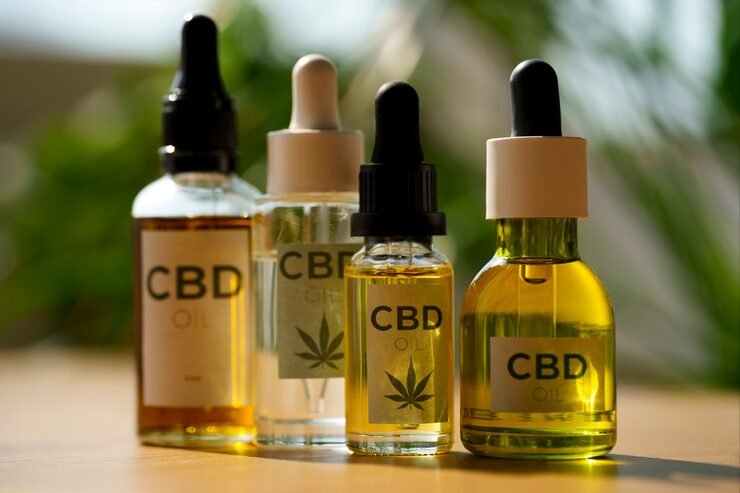
Tinctures and oils often demonstrate relatively strong stability when stored properly because carrier oils help protect cannabinoids from environmental degradation. However, repeated exposure to sunlight, heat, or improperly sealed droppers may still weaken potency and alter flavor gradually. Dark glass containers stored within cool cabinets usually support better long-term preservation for liquid formulations consistently.
Beverage formulations present unique preservation challenges due to water content and ingredient blending requirements. Carbonated drinks, flavored waters, teas, and infused refreshments often rely on specialized packaging and stabilization processes to maintain consistency. Consumers exploring CBD beverages in Pinellas Park frequently benefit from understanding proper refrigeration, storage timelines, and handling practices supporting freshness and flavor integrity after purchase.
Capsules and softgels generally remain more stable because protective outer casings limit environmental exposure directly affecting cannabinoid ingredients. Nevertheless, excessive heat and humidity may still weaken structural integrity or compromise consistency over extended storage periods. Dry indoor environments therefore remain important even for seemingly durable formulations.
Topical products involving creams, balms, lotions, and skincare blends respond differently because they contain oils, botanical extracts, and emulsifying agents sensitive to environmental fluctuations. Texture separation, altered fragrance, or consistency changes may occur gradually when products remain exposed to extreme conditions repeatedly throughout daily use.
Powdered or water-soluble formulations require careful moisture protection because humidity exposure may cause clumping or reduced effectiveness. Sealed containers and dry storage environments help maintain product usability more successfully for these specialized categories over time.
Signs That CBD-Infused Products May No Longer Be Fresh
Recognizing early warning signs of product deterioration helps consumers maintain safer and more satisfying wellness experiences consistently over time. Cannabinoid products rarely transform instantly from fresh to unusable overnight. Instead, gradual environmental exposure typically produces noticeable sensory and performance changes indicating declining quality and stability within formulations.
Aroma changes often provide one of the earliest indicators of deterioration. Fresh cannabinoid products generally maintain consistent botanical, earthy, herbal, or flavor-specific scents depending on formulation ingredients. Sour, musty, unusually bitter, or stale odors may suggest oxidation, ingredient degradation, or spoilage concerns requiring closer evaluation before continued use.
Flavor shifts also commonly indicate declining freshness. Oils, edibles, and beverages exposed to unfavorable storage conditions may develop unpleasant aftertastes or muted flavor profiles gradually over time. Natural ingredients particularly tend to lose vibrancy when exposed repeatedly to heat, oxygen, or excessive moisture during extended storage periods.
Texture inconsistencies frequently appear within edible and topical categories experiencing environmental stress. Gummies may harden or become excessively sticky, chocolates may melt and separate, and creams may develop uneven consistency or visible oil separation. These changes often reflect compromised ingredient stability affecting overall product quality significantly.
Color alterations sometimes signal oxidation or ingredient breakdown as well. Oils darkening unexpectedly, beverages appearing cloudy, or edibles developing unusual discoloration may indicate environmental exposure influencing formulation integrity negatively. While slight natural variation occasionally occurs, dramatic visual changes deserve careful attention from consumers prioritizing product quality and safety.
Packaging condition additionally reveals important freshness information. Damaged seals, swollen containers, leaking bottles, or compromised lids may expose products to excessive air or moisture unexpectedly. Consumers should inspect packaging regularly because environmental protection depends heavily on intact and properly functioning storage containers consistently.
Building Better Long-Term Storage Habits for CBD-Infused Products
Successful product preservation depends largely on daily habits and environmental awareness rather than occasional corrective measures after deterioration already occurs. Consumers who develop consistent storage routines generally maintain freshness, flavor, and cannabinoid stability more effectively while reducing waste and unnecessary replacement costs over time.
Choosing appropriate storage locations represents one of the simplest yet most important strategies supporting long-term product quality. Cool, dark, and dry environments generally provide optimal protection against environmental factors accelerating ingredient degradation. Interior cabinets away from heat sources often work significantly better than windowsills, bathroom counters, or vehicle compartments exposed to fluctuating conditions regularly.
Temperature consistency matters as much as temperature itself. Repeated environmental fluctuations may stress ingredients gradually even when average conditions appear acceptable overall. Stable indoor environments therefore support better preservation outcomes compared to areas experiencing frequent heating and cooling cycles throughout daily routines.
Consumers should also avoid leaving containers open unnecessarily during regular use. Prompt resealing limits oxygen exposure while protecting formulations from humidity and airborne contaminants potentially affecting freshness gradually over time. Clean handling practices further support product integrity by reducing accidental contamination risks.
