
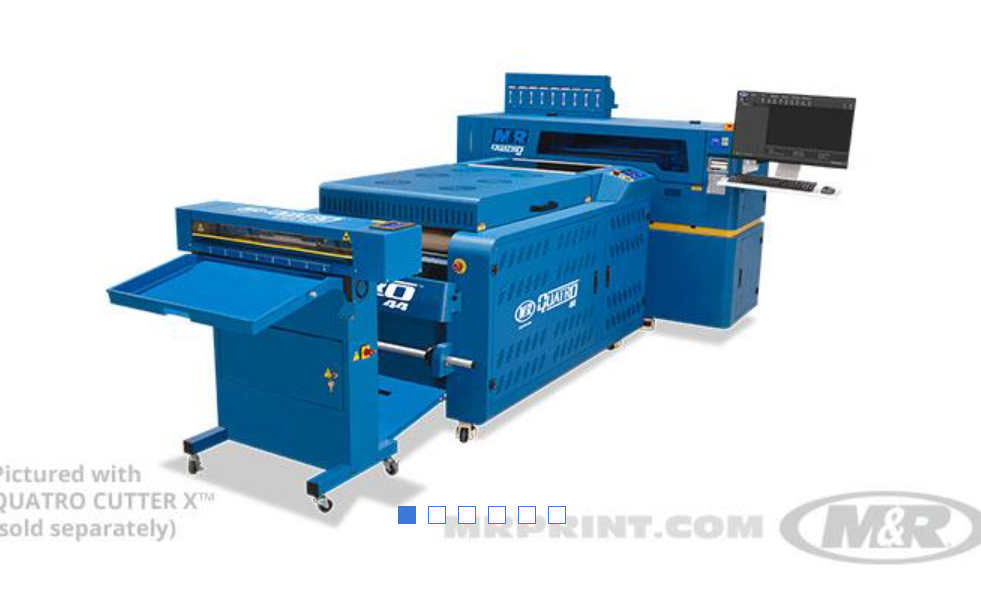
Are you trying to add faster transfer printing without turning your production floor into a complicated mess?
That is where choosing the right DTF printer becomes important. The wrong system can slow your team, waste materials, and limit what fabrics you can print on.
However, the right setup can support sharper designs, better color control, and smoother order handling. This post breaks down what to check before you invest, so you can make a smarter decision for your shop.
Start With Production Needs
A printer can look impressive on paper, but that does not mean it fits your workflow. Before comparing printheads, ink channels, resolution, or speed, look at your daily production reality.
- What kind of garments do you print most?
- How much space do you have?
- How many operators can you assign?
- How often do you handle rush orders, mixed fabrics, or detailed artwork?
This step matters because DTF printing connects several moving parts. You deal with artwork, film, ink, powder, curing, transfer, and final application. So, the printer should not just produce a nice sample. It should support reliable daily production. Otherwise, your team may spend more time fixing workflow issues than printing orders.
In other words, choose based on the full production journey. Start with output goals, staffing, available space, fabric range, print quality needs, and service access. Then, compare systems that support those needs. That approach protects your investment and helps you avoid buying equipment that feels powerful but works poorly in practice.
Look Closely at Print Quality and Color Capability
Print quality should lie near the top of your decision list. Customers notice color, sharpness, and detail before they care about the machine behind the print. A strong DTF system should produce vibrant transfers with clean edges, balanced white ink, and accurate color reproduction. This becomes even more important when your shop handles logos, detailed graphics, small text, or multi-color artwork.
Next, check the ink system. Some systems use standard Cyan, Magenta, Yellow, Black, and White inks. Others expand color capability with extra channels such as orange, red, green, and violet. That wider ink range can help improve color depth and accuracy for demanding jobs. However, more color channels also mean you need proper maintenance, trained operators, and dependable ink management.
White ink handling also matters. Since white ink supports opacity on darker garments, unstable circulation can create quality issues. A white ink auto-circulation supply system can help maintain smoother ink flow. As a result, operators can reduce clogs, improve consistency, and protect output quality over longer runs. So, when comparing systems, do not only ask how good the sample print looks. Ask how well the machine keeps that quality during real production.
Match the Printer to your fabric range.
Fabric compatibility can make or break your equipment choice. Many shops do not print on one material only. One week may involve cotton shirts. The next may include polyester, blends, spandex, nylon, or performance wear. Therefore, your DTF setup needs enough flexibility to handle different garment types without constant guesswork.
This is where DTF printing becomes attractive. It can support transfers across a wide range of fabrics when the system, film, powder, and press settings work together correctly. Still, you should confirm what materials the system is designed to support. A printer that works well on cotton but struggles with stretch fabrics may limit your shop’s growth.
Also, think about customer expectations. Sportswear buyers may need stretch performance. Promotional product customers may care more about color consistency. Fashion clients may ask for a soft feel and clean detail. Because of this, the fabric range should not be an afterthought. It should guide your purchase from the beginning.
Compare the Real Production Factors Before Buying
A smart buyer does not compare only price. Instead, they compare the daily impact of the system. The table below shows what matters when choosing DTF equipment for commercial production.
| Buying Factor | Why It Matters | What to Check |
| Production space | Small shops need efficient layouts | Look for compact system requirements |
| Operator demand | Labor affects cost and workflow | Check if one operator can manage it |
| Print speed | Speed affects order turnaround | Review output at different resolutions |
| Ink system | Ink stability affects consistency | Check white ink circulation and channels |
| Fabric range | More fabric options mean more jobs | Confirm cotton, polyester, blends, and stretch support |
| Support access | Downtime hurts production | Look for service, parts, and hotline support |
Do Not Ignore Space, Labor, and Workflow
Many shops focus heavily on print quality, then forget space and labor. That creates problems later. A printer may produce excellent transfers, but it still needs the right floor layout. Operators need space to load film, monitor output, manage supplies, and move finished transfers. If your layout feels tight, daily production becomes harder.
Labor matters too. A system that needs one trained operator may help control costs and simplify scheduling. However, that operator still needs clear processes. They must understand ink checks, film handling, curing steps, maintenance routines, and application standards. Good equipment helps, but poor workflow can still slow everything down.
Next, look at how the machine fits into your existing business.
- Will it support rush orders?
- Can your team process gang sheets efficiently?
- Will the transfer storage stay organized?
- Can you track repeat jobs easily?
These practical questions shape your results more than flashy feature lists.
The best choice will support smooth movement from artwork to finished transfer. It should also make daily operation easier, not heavier. When a system reduces extra handling, your team can produce with more confidence and fewer interruptions.
Check Service, Supplies, and Long-Term Support
Buying equipment is not the end of the decision. It is the start of daily ownership. That is why service and support deserve serious attention. If your printer goes down, your orders do not wait. You need access to parts, supplies, technical guidance, and trained support when something breaks or needs adjustment.
Look for clear support channels before buying. A 24-hour hotline staffed every day of the year can help shops protect uptime. Online parts and supplies access also matters because consumables drive daily production. If your team cannot get ink, film, parts, or support quickly, even a strong machine can become a bottleneck.
Also, ask about warranty coverage. A strong warranty gives buyers more confidence, especially with industrial equipment. However, support quality matters just as much as the warranty document. You need people who understand production pressure and can help solve issues fast.
Conclusion
Choosing a DTF printer takes more than comparing price or sample prints. You need to look at color capability, fabric range, speed, space, operator needs, supplies, and service support. A good system should improve production, not create more work for your team.
It should also support sharp transfers, flexible fabric use, and dependable daily output. If you want to add transfer printing with less stress and better control, review the full equipment setup before buying.
Explore the direct-to-film equipment options available on the website and choose a system built for cleaner results, smoother workflow, and stronger production growth.
