
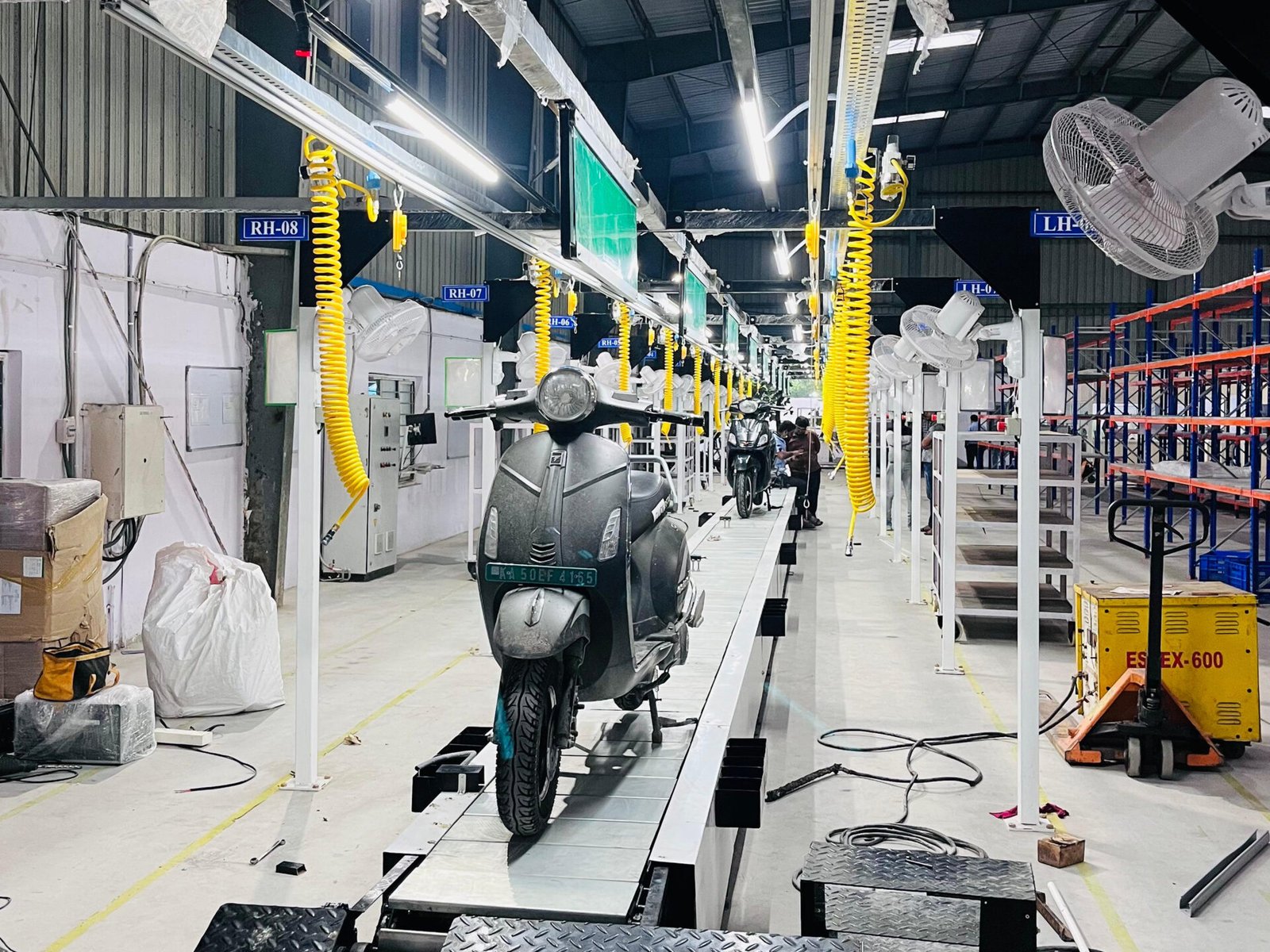
Assembly line conveyor systems have become an essential part of today’s manufacturing and production facilities. Designed to transport materials, components, and finished products seamlessly between workstations, these systems help businesses improve efficiency, maintain consistent production, and reduce manual handling. Whether used in automotive manufacturing, electronics assembly, packaging, pharmaceuticals, or consumer goods production, assembly line conveyor systems support faster operations while ensuring a smooth and organized workflow.
As industries continue to embrace automation, the demand for advanced assembly line conveyor systems is steadily increasing. Their ability to improve productivity and optimize factory operations makes them a valuable investment for businesses of all sizes.
What are Assembly Line Conveyor Systems?
Assembly line conveyor systems are automated material handling solutions that move products through different stages of a production line. Instead of relying on workers to transport materials manually, these conveyor systems ensure continuous movement between assembly, inspection, packaging, and storage areas.
Depending on the manufacturing process, assembly line conveyor systems may include belt conveyors, roller conveyors, chain conveyors, slat conveyors, or modular belt conveyors. Each system is designed to handle specific products, load capacities, and production speeds while maintaining efficient material flow.
Their modular design also allows easy expansion or modification as production requirements change over time.
Key Features of Assembly Line Conveyor Systems
One of the most important features of assembly line conveyor systems is continuous product movement. Materials flow smoothly from one workstation to another, eliminating unnecessary delays and improving production efficiency.
Another significant feature is flexibility. Conveyor layouts can be customized with straight sections, curves, inclines, declines, or overhead configurations to maximize available factory space.
Modern assembly line conveyor systems are equipped with advanced automation features such as variable speed drives, programmable logic controllers (PLC), sensors, barcode readers, and automatic product tracking systems. These technologies improve accuracy, reduce errors, and enhance overall operational performance.
The systems are manufactured using durable materials such as stainless steel, aluminum, or heavy-duty steel to ensure reliable operation under demanding industrial conditions.
Applications of Assembly Line Conveyor Systems
Assembly line conveyor systems are widely used across numerous industries due to their versatility. In automotive manufacturing, they transport engines, chassis, and vehicle components through different assembly stages.
Electronics manufacturers use conveyor systems for assembling mobile devices, computers, circuit boards, and electrical equipment. Packaging industries rely on assembly line conveyor systems to move products through filling, labeling, sealing, and boxing operations.
Food and beverage manufacturers use hygienic conveyor systems to transport packaged products while maintaining cleanliness and safety standards. Pharmaceutical companies also depend on conveyor systems to move medicines and medical products through production and packaging processes.
Furniture manufacturing, appliance production, plastics processing, and logistics facilities also benefit from efficient assembly line conveyor systems.
Advantages of Assembly Line Conveyor Systems
One of the biggest advantages of assembly line conveyor systems is increased productivity. Continuous product movement minimizes idle time and supports higher production output.
Another major benefit is improved product consistency. Since materials move through the production process at a controlled speed, every workstation can perform tasks more accurately and efficiently.
Assembly line conveyor systems also reduce labor-intensive material handling. Employees spend less time transporting products manually, allowing them to focus on assembly, inspection, and quality control activities.
Workplace safety is another important advantage. Automated transportation reduces lifting, carrying, and repetitive movements, helping minimize employee fatigue and workplace injuries.
In addition, these systems optimize factory space by creating organized production layouts that improve material flow and simplify inventory management. Their scalable design allows manufacturers to expand production capacity without redesigning the entire facility.
Maintenance and Best Practices
Regular maintenance helps ensure the long-term performance of assembly line conveyor systems. Routine inspection of belts, rollers, motors, chains, bearings, sensors, and electrical controls can identify potential issues before they affect production.
Keeping conveyor surfaces clean, lubricating moving parts as recommended, and replacing worn components on time help minimize downtime and extend equipment life. Preventive maintenance also improves operational reliability and reduces unexpected repair costs.
Conclusion
Assembly line conveyor systems are an integral part of modern manufacturing, offering efficient, reliable, and automated material handling for a wide range of industries. Their ability to streamline production, reduce manual labor, improve workplace safety, and support consistent product quality makes them an essential investment for growing businesses. By implementing well-designed assembly line conveyor systems, manufacturers can achieve higher productivity, better operational control, and long-term manufacturing efficiency.
