
A Practical Guide for Manufacturers Looking to Maximize Value
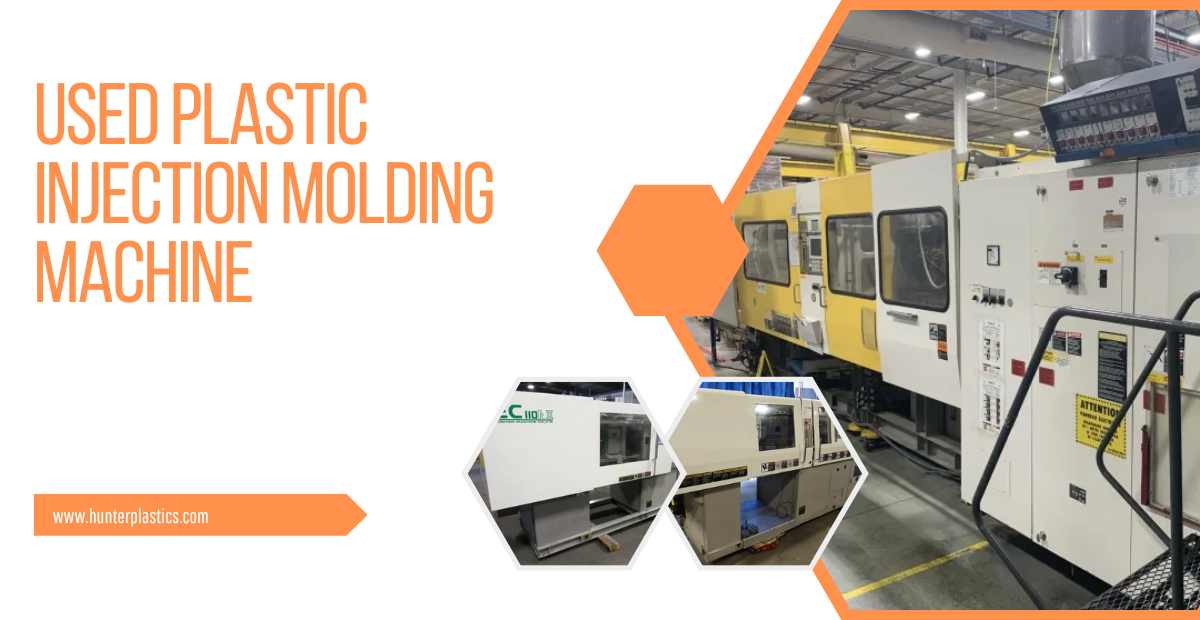
Purchasing used injection molding machines can be an excellent way for manufacturers to expand production capacity while keeping capital expenses under control. However, making the right investment requires understanding the features that matter, the factors that influence pricing, and the best practices for evaluating equipment before purchase.
This guide covers everything buyers need to know to make a confident and informed decision.
Key Features to Look for in an Injection Molding Machine
Not all machines are created equal. Before making a purchase, it’s important to evaluate the features that will directly impact your production efficiency and product quality.
Clamping Force
Clamping force determines the machine’s ability to keep the mold securely closed during injection. The required tonnage depends on the size and complexity of the parts being produced.
Shot Size Capacity
The shot size refers to the maximum amount of material that can be injected into a mold during a production cycle. Choosing the appropriate shot size helps ensure consistent part quality and efficient material usage.
Injection Pressure
Machines with adequate injection pressure can produce more complex and detailed components while maintaining dimensional accuracy.
Control System
Modern control systems provide better monitoring, improved process consistency, and easier machine operation. Evaluate the functionality and usability of the machine’s controller before purchasing.
Energy Efficiency
Energy consumption can significantly impact operating costs. Machines designed with efficient hydraulic or servo-driven systems can help reduce long-term expenses.
Automation Compatibility
Manufacturers planning to implement robotic systems or automated workflows should ensure the equipment can integrate with automation technologies.
Factors That Affect Machine Pricing
The price of pre-owned injection molding equipment can vary considerably depending on several factors.
Machine Age
Newer machines generally command higher prices due to updated technology and lower wear levels.
Brand and Manufacturer
Equipment from established manufacturers often retains value better because of proven reliability, service support, and parts availability.
Machine Condition
Well-maintained equipment with documented service records typically costs more but may offer greater reliability and reduced maintenance expenses.
Operating Hours
Machines with fewer operating hours are often priced higher because they may have more remaining service life.
Refurbishment Status
Professionally refurbished machines can carry a premium price but may provide additional confidence regarding performance and reliability.
Market Demand
Pricing can fluctuate based on industry demand, machine availability, and economic conditions affecting manufacturing sectors.
Typical Pricing Expectations
While prices vary widely, buyers can generally expect costs to be influenced by:
- Machine tonnage
- Manufacturer reputation
- Production capabilities
- Age and condition
- Control system technology
- Included accessories and peripherals
Obtaining multiple quotes and comparing similar machine specifications can help buyers determine fair market value.
Essential Buying Tips
Review Maintenance Records
Service records provide valuable insight into how the equipment has been maintained throughout its operational life.
Conduct a Thorough Inspection
Inspect critical components such as:
- Hydraulic systems
- Injection units
- Clamping mechanisms
- Electrical systems
- Safety features
- Control panels
Identifying potential issues before purchase can help avoid unexpected repair costs.
Verify Parts Availability
Before investing in any machine, confirm that replacement parts remain readily available for the specific model.
Request an Operational Demonstration
Whenever possible, observe the machine running under production conditions. This helps verify performance and identify potential concerns.
Buy from Reputable Sellers
Trusted dealers often provide testing, refurbishment services, documentation, and technical support that can reduce purchasing risks.
Consider Future Production Needs
Choose equipment that not only meets your current requirements but also supports anticipated business growth and production expansion.
Common Mistakes Buyers Should Avoid
Many buyers focus exclusively on the purchase price and overlook factors that affect long-term value.
Common mistakes include:
- Ignoring maintenance history
- Failing to inspect the machine thoroughly
- Overlooking spare parts availability
- Choosing equipment based solely on price
- Not considering future production requirements
- Purchasing from unverified sellers
Avoiding these mistakes can help ensure a more successful investment.
Conclusion
When selected carefully, used injection molding machines can provide manufacturers with a cost-effective solution for increasing production capacity without the substantial investment required for new equipment. By evaluating machine features, understanding pricing factors, and following proven buying practices, businesses can secure reliable equipment that delivers strong performance and long-term value.
A well-informed purchasing decision today can contribute significantly to operational efficiency and future manufacturing success.
