
Introduction
Sewer lines are one of the most important parts of any home’s plumbing system. They carry wastewater away from your house and keep your living space clean and safe. However, many homeowners do not think about their sewer lines until a problem occurs. When issues arise, they can quickly turn into expensive and stressful situations.
In this beginner-friendly guide, we will explain common sewer line problems, their causes, warning signs, and the latest modern repair solutions available today. This article will help you understand everything in simple English so you can make better decisions for your home.
What Is a Sewer Line?
A sewer line is a pipe that carries wastewater from your home to the main sewer system or septic tank. It connects all your drains, including sinks, toilets, showers, and washing machines.
Key Functions of Sewer Lines:
- Remove wastewater safely
- Prevent harmful gases from entering your home
- Keep your plumbing system running smoothly
Common Sewer Line Problems
Sewer line problems can happen for many reasons. Understanding these issues can help you take action early and avoid major damage.
1. Tree Root Intrusion
Tree roots are one of the most common causes of sewer line damage. Roots naturally grow toward moisture and can enter small cracks in pipes.
2. Pipe Corrosion
Older pipes made of metal can corrode over time, leading to leaks and blockages.
3. Clogs and Blockages
Grease, hair, soap, and other debris can build up inside pipes and block water flow.
4. Ground Movement
Soil shifting due to weather or construction can cause pipes to crack or collapse.
5. Aging Pipes
Old pipes weaken over time and may break or leak.
Warning Signs of Sewer Line Problems
Recognizing early signs can save you from costly repairs.
Look Out for These Symptoms:
- Slow draining sinks or tubs
- Bad smells coming from drains
- Gurgling noises in pipes
- Frequent backups or clogs
- Wet spots in your yard
- Unusually green patches of grass
If you notice any of these signs, it’s important to act quickly.
Traditional Sewer Repair Methods
In the past, fixing sewer lines required digging large trenches in your yard. While this method works, it has several disadvantages.
Drawbacks of Traditional Repairs:
- Damages landscaping
- Takes more time
- Higher labor costs
- Creates a mess in your yard
Because of these issues, modern solutions have become more popular.
Modern Sewer Repair Solutions
Thanks to technology, repairing sewer lines is now faster, cleaner, and more efficient.
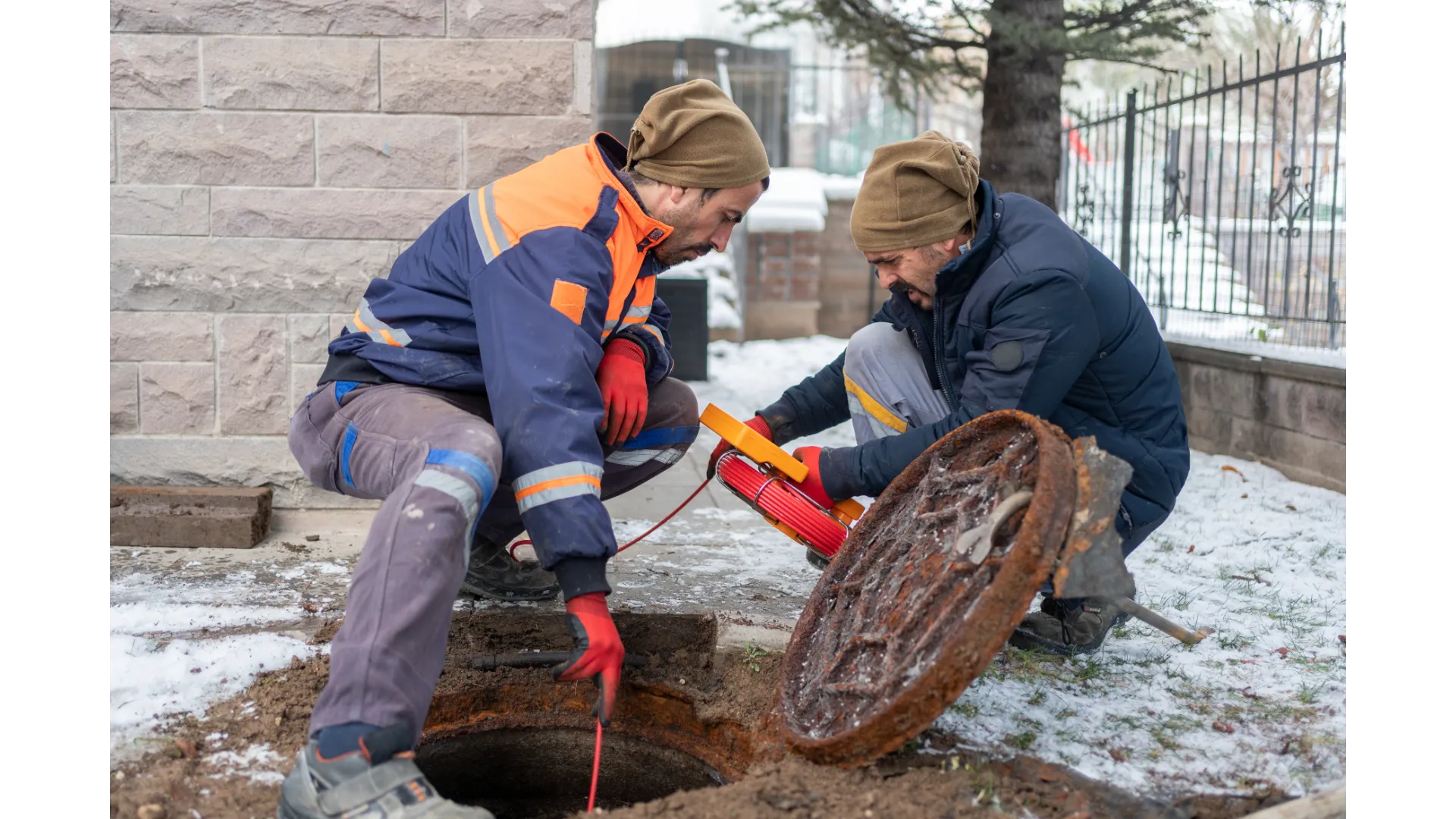
1. Video Camera Inspection
Plumbers use small cameras to inspect pipes and find the exact problem.
Benefits:
- Accurate diagnosis
- Saves time
- Reduces unnecessary digging
2. Hydro Jetting
This method uses high-pressure water to clean pipes and remove blockages.
Best For:
- Grease buildup
- Stubborn clogs
- Regular maintenance
3. Pipe Lining (Cured-In-Place Pipe)
A flexible liner is inserted into the damaged pipe and hardened to create a new pipe inside the old one.
Advantages:
- No digging required
- Long-lasting solution
- Quick installation
4. Pipe Bursting
In this method, a new pipe is pulled through the old one, breaking the damaged pipe apart.
Benefits:
- Replaces old pipes completely
- Minimal surface damage
- Strong and durable
Why Modern Solutions Are Better
Modern repair methods offer many benefits compared to traditional digging.
Key Advantages:
- Less damage to property
- Faster repair time
- Cost-effective in the long run
- Environmentally friendly
Many homeowners today prefer modern solutions like trenchless sewer line repair lexington because they are efficient and convenient.
When Should You Call a Professional?
Some minor plumbing issues can be fixed at home, but sewer line problems usually require professional help.
Call a Professional If:
- You experience repeated clogs
- Water backs up into your home
- You smell sewage odors
- Your lawn has wet or sunken areas
Professional plumbers have the tools and experience to handle complex issues safely.
Tips to Prevent Sewer Line Problems
Prevention is always better than repair. Here are some simple tips to keep your sewer lines in good condition:
Maintenance Tips:
- Avoid pouring grease down the drain
- Use drain strainers to catch debris
- Schedule regular inspections
- Plant trees away from sewer lines
- Flush only toilet paper (no wipes or hygiene products)
Taking these steps can help extend the life of your sewer system.
Cost of Sewer Line Repairs
The cost of repairing a sewer line depends on several factors:
Factors That Affect Cost:
- Type of damage
- Repair method used
- Length of pipe
- Location of the problem
Modern methods may seem expensive at first, but they often save money by reducing labor and property damage.
Final Thoughts
Sewer line problems can be stressful, but understanding the basics can make a big difference. By knowing the common causes, warning signs, and modern repair options, you can protect your home and avoid costly damage.
Modern solutions have made sewer repairs easier, faster, and less disruptive than ever before. Whether it’s a small clog or a major pipe issue, taking action early is the best way to keep your plumbing system in good shape.
If you suspect a problem, don’t wait. Contact a professional plumber to inspect your system and recommend the best solution.
Quick Summary
- Sewer lines remove wastewater from your home
- Common problems include clogs, roots, and aging pipes
- Warning signs include slow drains and bad odors
- Modern repair methods are faster and less damaging
- Regular maintenance can prevent major issues
By following this guide, even beginners can better understand sewer line problems and make smart decisions when repairs are needed.
