
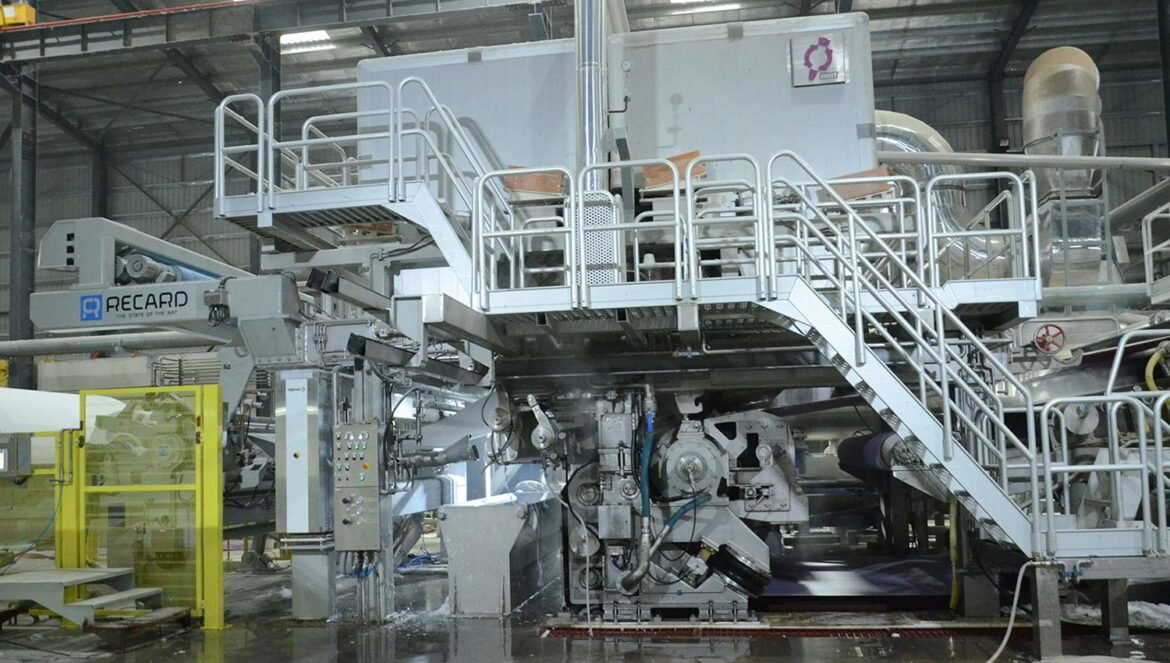
The global demand for processed fruit products, juices, concentrates, and food ingredients continues to grow as consumers seek convenient and high-quality food options. To meet this demand, manufacturers require efficient processing systems capable of handling large volumes of raw materials while maintaining product quality and operational efficiency.
A well-designed Pulp Plant is essential for converting fresh fruits and vegetables into pulp that can be used in various food and beverage applications. From mangoes and guavas to tomatoes and other produce, modern processing facilities depend on advanced equipment and optimized layouts to achieve consistent production results.
This guide explores the key design considerations and equipment requirements necessary for building a successful Plant that meets the needs of today’s food processing industry.
What Is a Pulp Plant?
A Pulp Plant is a specialized processing facility designed to extract, refine, and process pulp from fruits or vegetables. The resulting pulp is used in products such as:
- Fruit juices
- Purees
- Concentrates
- Sauces
- Jams
- Dairy products
- Beverage ingredients
Modern facilities are designed to maximize yield, maintain hygiene standards, and ensure consistent product quality throughout the production process.
Importance of Proper Plant Design
The efficiency of any processing operation depends heavily on facility design.
A properly planned Plant helps businesses:
- Improve production flow
- Reduce operational costs
- Minimize product contamination
- Increase processing capacity
- Enhance worker safety
- Simplify maintenance activities
Poor facility design can lead to bottlenecks, inefficient workflows, increased waste, and higher operating expenses.
For this reason, careful planning should be a priority during the development of a Pulp Plant.
Key Objectives of a Modern Pulp Plant
Modern food processing facilities are designed to achieve several important objectives.
These include:
- High product quality
- Maximum fruit recovery
- Efficient production processes
- Food safety compliance
- Reduced waste generation
- Sustainable operations
Achieving these goals requires the integration of suitable equipment and optimized facility layouts.
Facility Layout Considerations
The layout of a Pulp Plant directly impacts productivity and operational efficiency.
A well-designed facility should support a smooth flow of materials from receiving to final packaging.
Raw Material Receiving Area
The process begins with receiving fresh fruits or vegetables.
This section should provide:
- Easy unloading access
- Inspection areas
- Temporary storage facilities
- Sorting stations
Efficient handling at this stage helps maintain product quality from the beginning of the process.
Washing and Cleaning Section
Before processing, raw materials must be thoroughly cleaned to remove:
- Dirt
- Dust
- Pesticide residues
- Foreign materials
Proper cleaning systems are essential for food safety and product quality.
Processing Area
The core production area of a Pulp Plant houses the primary equipment used for pulp extraction and processing.
This area should be designed to support:
- Efficient material flow
- Easy equipment access
- Hygiene control
- Maintenance activities
Packaging and Storage Area
After processing, products move to packaging and storage sections.
This area should provide:
- Controlled storage conditions
- Product protection
- Efficient dispatch operations
A logical facility layout minimizes unnecessary movement and improves overall efficiency.
Essential Equipment for a Pulp Plant
Modern processing facilities rely on multiple pieces of equipment to achieve efficient pulp production.
Fruit Washing Systems
Washing equipment removes contaminants before processing begins.
These systems help improve:
- Product cleanliness
- Food safety
- Processing efficiency
Clean raw materials contribute directly to higher-quality finished products.
Sorting and Inspection Equipment
Sorting systems allow operators to remove damaged or unsuitable produce before processing.
Benefits include:
- Improved pulp quality
- Reduced waste
- Better process consistency
This stage is critical for maintaining production standards.
Pulp Extraction Machines
Pulp extraction equipment is one of the most important components of a Pulp Plant.
These machines separate edible pulp from:
- Seeds
- Peels
- Fibers
- Unwanted materials
Efficient extraction systems help maximize yield while preserving product quality.
Refining Equipment
After extraction, refining equipment further improves pulp consistency.
Refining processes help achieve:
- Uniform texture
- Desired particle size
- Improved product appearance
This stage is particularly important for products intended for commercial food manufacturing.
Storage Tanks
Processed pulp often requires temporary storage before packaging or further processing.
Food-grade storage systems help maintain:
- Product quality
- Hygiene standards
- Temperature control
Proper storage solutions are essential for preserving product integrity.
Heat Treatment Systems
Many facilities use thermal processing equipment to improve shelf life and food safety.
Applications include:
- Pasteurization
- Sterilization
- Product stabilization
Heat treatment helps reduce microbial activity and extend product usability.
Packaging Equipment
Packaging systems prepare finished products for storage, transportation, and sale.
Common packaging formats include:
- Drums
- Pouches
- Bottles
- Bulk containers
Efficient packaging equipment helps increase productivity and maintain product quality.
Hygiene and Food Safety Requirements
Food safety is one of the most important considerations when designing a Plant.
Facilities should follow strict hygiene practices to prevent contamination.
Key requirements include:
- Food-grade equipment
- Easy-to-clean surfaces
- Proper drainage systems
- Controlled processing environments
- Employee hygiene protocols
Compliance with food safety standards helps protect consumers and maintain regulatory approval.
Automation in Modern Pulp Plants
Automation is becoming increasingly important in food processing operations.
Modern Pulp Plant facilities often incorporate automated systems to improve efficiency and consistency.
Benefits of automation include:
- Reduced labor requirements
- Better process control
- Increased production capacity
- Improved product consistency
- Lower operating costs
Automated monitoring systems also provide valuable production data for continuous improvement.
Energy Efficiency Considerations
Energy consumption can significantly impact operating expenses.
Modern facility designs often incorporate energy-efficient technologies such as:
- High-efficiency motors
- Automated control systems
- Heat recovery solutions
- Optimized production layouts
Reducing energy consumption helps improve profitability while supporting sustainability goals.
Waste Management and Sustainability
Effective waste management is essential for modern food processing facilities.
A well-designed Plant should include strategies for handling:
- Fruit peels
- Seeds
- Processing residues
- Wastewater
Many facilities convert organic waste into by-products such as animal feed, compost, or energy sources.
Sustainable practices can reduce disposal costs and improve environmental performance.
Factors to Consider Before Establishing a Pulp Plant
Before developing a new facility, businesses should evaluate:
- Production capacity requirements
- Available raw materials
- Equipment quality
- Facility location
- Food safety regulations
- Utility availability
- Future expansion plans
Proper planning helps ensure long-term operational success and business growth.
Common Challenges in Pulp Processing
Processing facilities often face challenges such as:
- Seasonal raw material availability
- Product consistency issues
- Equipment maintenance requirements
- Food safety compliance
- Waste management concerns
Addressing these challenges during the design stage helps create a more efficient and reliable operation.
Conclusion
A modern Pulp Plant requires careful planning, efficient equipment selection, and a well-structured facility layout to achieve high productivity and consistent product quality. From washing and sorting systems to pulp extraction, storage, and packaging equipment, every component plays a vital role in the success of the processing operation.
By focusing on hygiene, automation, energy efficiency, and sustainable practices, businesses can build a Plant that meets current industry demands while supporting future growth. As the global market for processed fruit products continues to expand, investing in a properly designed pulp processing facility remains a valuable opportunity for food manufacturers seeking long-term success.
