
Streetwear Became More About Real Life Than Luxury Fashion
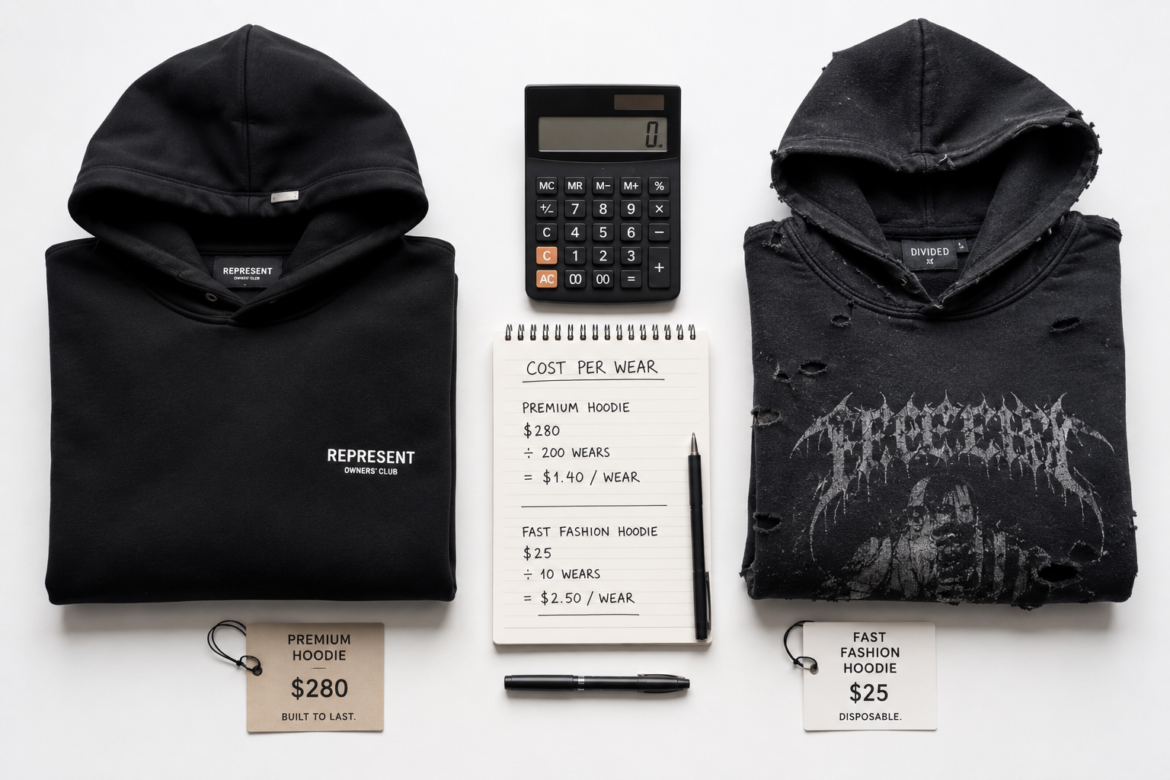
Streetwear became powerful because it reflected everyday life instead of polished fashion standards. Years ago, luxury clothing often looked impressive inside magazines but felt uncomfortable and difficult to wear naturally outside special events. Oversized hoodies, relaxed denim, heavyweight cotton, and worn sneakers slowly changed the direction of modern fashion completely. People wanted outfits that felt personal instead of overly perfect. Music culture, skateboarding, and online fashion communities pushed this movement forward until casual streetwear became part of everyday identity. Clothing started reflecting mood, comfort, and personality instead of strict designer expectations. Many people now care more about texture and fit than oversized luxury logos. Heavy fleece hoodies and washed graphics feel more authentic because they look naturally worn instead of untouched. I honestly think this emotional connection explains why streetwear survived while many fashion trends disappeared quickly. Another important detail involves fabric quality. One thing I’ve noticed after wearing heavyweight hoodies regularly is how premium cotton keeps structure around the shoulders and cuffs even after repeated washing, while thinner fleece blends twist around the seams surprisingly fast. Those small details completely affect how an outfit feels over time. Streetwear photography evolved beside the clothing itself too. Warm lighting, grainy editing, urban locations, and documentary-style visuals made fashion feel connected to real life instead of distant luxury campaigns. That realism still shapes modern streetwear culture more strongly than expensive branding alone. People want clothing that feels genuine, and streetwear continues growing because it delivers that experience naturally.
Oversized Fits Completely Changed Streetwear Styling
Oversized silhouettes transformed fashion because they balanced comfort with stronger visual proportions. Earlier fashion eras focused heavily on fitted hoodies, skinny jeans, and narrow jackets that often restricted movement and layering. Then wider silhouettes slowly returned through skateboarding culture, hip-hop influence, and vintage sportswear inspiration. Relaxed fits immediately felt easier to wear because they worked naturally with heavyweight fabrics and chunkier sneakers. Oversized hoodies also drape differently than fitted garments. Thick cotton hangs more cleanly when there’s room around the shoulders and chest, creating softer and more balanced proportions overall. Collections connected to the Stussy brand store helped maintain that relaxed streetwear identity through oversized hoodies, washed graphics, and casual layering that still feels effortless instead of forced. Social media accelerated this shift heavily too. Outfit videos and cinematic streetwear photography made oversized clothing look more dynamic because relaxed silhouettes create stronger movement on camera. Color palettes evolved alongside the fits as well. Cream, washed black, faded grey, navy, and earthy shades became more common because muted colors soften oversized proportions naturally. However, relaxed fits still require balance. Extremely baggy clothing can overwhelm an outfit if every piece feels oversized simultaneously. Usually, one oversized hoodie paired with cleaner pants creates a much stronger silhouette. Personally, I prefer relaxed hoodies with structured denim because the outfit still feels intentional without losing comfort. Another reason oversized streetwear survived longer than expected involves practicality. Loose silhouettes work across different body types and layer naturally during colder seasons, helping them become long-term everyday fashion instead of temporary trends.
Distressed Denim Became a Signature Streetwear Element
Denim always existed inside casual fashion, but streetwear completely changed how people approached it. Earlier jeans focused mostly on dark washes and slim cuts with very little texture or variation. Then distressed detailing, stacked silhouettes, faded finishes, and reinforced panels became central parts of modern styling. Distressed denim added personality because every fade, tear, and frayed edge created a more lived-in appearance. Several major changes pushed denim deeper into streetwear culture:
- Relaxed cuts replaced extremely skinny jeans.
- Vintage washes became more desirable than flat dark denim.
- Layered outfits increased demand for stacked silhouettes.
- Sneaker culture changed how pant proportions looked visually.
- Hand distressing created stronger texture and individuality.
Sneakers influenced denim more than many people realize. Wider jeans frame chunky footwear better and create cleaner proportions around the ankle area. Luxury streetwear labels also improved denim construction through heavyweight cotton, hand sanding, reinforced stitching, and detailed fading techniques. You can clearly see that influence in collections related to la tienda oficial Amiri, where distressed denim became part of the overall streetwear identity instead of simply another clothing category. One practical observation I’ve learned from wearing premium denim regularly is how stronger cotton softens gradually while still keeping shape around the knees and thighs. Cheaper jeans usually collapse awkwardly after repeated washing because the material underneath lacks proper structure. Still, distressed denim has limitations. Extremely shredded jeans often lose versatility and become harder to style casually over time. Balanced distressing usually works better because it adds texture without overwhelming the outfit completely. That subtle difference separates timeless streetwear denim from short-term fashion gimmicks.
Emotional Graphics Changed the Meaning of Fashion
Streetwear graphics used to focus mainly on logos and visibility. Large lettering, repeated symbols, and oversized branding dominated earlier collections because recognition mattered more than storytelling. Eventually, however, fashion became more emotional and expressive. Washed graphics, cracked prints, handwritten typography, darker artwork, and vintage-inspired visuals slowly replaced overly polished designs. Clothing started reflecting mood and personality instead of functioning only as advertising. Music culture strongly influenced this shift too. Underground rap, alternative rock, and darker online aesthetics pushed fashion toward emotional styling choices that felt personal instead of commercial. Oversized hoodies with faded graphics suddenly looked more authentic than brightly polished tees with giant logos. Another important change involved print placement. Smaller chest graphics paired with oversized back artwork became more common because the balance felt cleaner visually. Heavyweight cotton also changes how graphics age after repeated washing. Faded printing usually looks better on thick garment-dyed fabric than on thin synthetic blends because the texture absorbs wear naturally over time. Collections inspired by buy Mixed Emotion online reflect this emotional direction strongly through oversized silhouettes, darker tones, rhinestone details, and expressive graphics that prioritize feeling over perfection. However, emotional streetwear design still has limitations. Many brands now repeat similar dark aesthetics without adding genuine originality, which causes some collections to blend together visually. Stronger labels avoid that problem by combining emotional graphics with distinct silhouettes, better fabrics, and unique styling direction rather than depending entirely on artwork.
How Modern Streetwear Outfits Actually Come Together
Streetwear outfits look more balanced now than they did years ago. Earlier trends often relied on oversized logos, loud colors, and flashy accessories competing for attention at once. Modern styling feels calmer and more intentional. Most strong outfits now focus on layering, texture, and proportion instead of obvious branding. Several combinations continue appearing consistently because they work naturally in everyday life:
- Oversized hoodie paired with relaxed denim and clean sneakers
- Varsity jacket layered over a faded graphic tee
- Neutral monochrome outfit using cream, black, and grey shades
- Distressed jeans styled with heavyweight fleece hoodies
- Loose shorts combined with retro sneakers and crew socks
Texture matters more than many people expect. Heavy fleece, washed cotton, distressed denim, suede sneakers, and layered fabrics create visual depth without requiring bright colors. Accessories became simpler too. Instead of oversized chains everywhere, many modern outfits now use subtle rings, smaller bracelets, or thin necklaces to finish the look naturally. Another thing I’ve learned from regular streetwear styling is how much clean sneakers affect the overall outfit. Even expensive clothing combinations can feel sloppy if the footwear appears neglected or overly damaged. Layering also became easier because relaxed silhouettes leave more space around the shoulders and waist. However, balance still matters. Slightly structured jackets or cleaner pant silhouettes help oversized outfits feel intentional instead of shapeless. Many people also buy fewer items now while focusing more on versatile basics that work across multiple outfits. That approach creates stronger personal style over time instead of depending constantly on temporary fashion trends.
Streetwear Photography Changed Online Fashion Culture
Streetwear photography transformed how people connect with clothing online. Earlier fashion campaigns often looked overly polished and disconnected from real life. Models stood against plain backgrounds wearing untouched outfits that felt unrealistic for everyday wear. Modern streetwear photography moved in the opposite direction completely. Warm lighting, urban locations, grainy editing, concrete textures, and documentary-style visuals became part of the overall fashion experience. These details help buyers imagine how outfits fit naturally into daily routines. Product photography changed heavily too. Close-up shots now focus on heavyweight cotton texture, distressed stitching, faded graphics, and layered fabrics because shoppers care far more about material quality than before. Lighting direction matters more than people realize as well. Side lighting usually reveals fleece depth and fabric texture much better than flat front-facing light. That’s why premium streetwear campaigns often feel softer and moodier visually. Flat lay photography also became extremely popular because it shows how sneakers, hoodies, denim, and accessories work together naturally. Social media accelerated this visual style rapidly because cinematic outfit photos hold attention longer while scrolling. However, photography can still create unrealistic expectations sometimes. Heavy editing occasionally makes thin fabrics appear more luxurious than they actually are in person. Buyers sometimes feel disappointed once the product arrives and lacks the same structure shown online. Better brands avoid that issue by showing realistic folds, natural shadows, and visible fabric texture instead of hiding imperfections completely. Strong photography should support the clothing honestly rather than depending only on editing tricks.
Music Culture Still Influences Streetwear Trends
Streetwear and music always influenced each other closely. Skateboarding helped shape early streetwear culture, yet music pushed it into global visibility through concerts, artist collaborations, and social media. Hip-hop artists, punk musicians, underground rappers, and alternative performers all affected how people styled hoodies, sneakers, varsity jackets, and denim. Fashion became emotional instead of purely decorative. Darker tones, oversized silhouettes, faded graphics, and layered outfits matched the mood of the music people listened to every day. Concert merchandise also changed fashion heavily. Oversized hoodies and washed tees connected fans directly to artists and communities they cared about. Eventually, those relaxed silhouettes influenced mainstream streetwear itself. Another major shift happened when artists started mixing luxury pieces with vintage basics naturally. Someone could wear premium denim beside a thrifted hoodie and still create a stronger outfit than a fully designer look. I personally think those mixed combinations feel more authentic because they show personal taste instead of pure branding. Music videos accelerated fashion trends rapidly too. Certain sneaker silhouettes, stacked denim styles, and hoodie fits exploded once artists wore them repeatedly online or on stage. However, music-driven trends can disappear quickly when brands copy them too aggressively without originality. The strongest streetwear styles survive because they still feel wearable long after the hype fades away.
Streetwear Keeps Growing Because It Feels Authentic
Streetwear continues evolving because people want clothing that reflects personality instead of perfection. Every few years, new fabrics, silhouettes, and styling ideas reshape the culture slightly, yet the core appeal stays consistent. Comfort, texture, emotional expression, and individuality still matter more than dressing formally or perfectly. Heavyweight hoodies, relaxed denim, oversized jackets, and vintage sneakers survive because they fit naturally into daily routines. Younger buyers also expect stronger originality now. They notice copied graphics, weak construction, and repetitive aesthetics very quickly, which forces brands to improve fabric quality and storytelling instead of depending entirely on hype releases. Streetwear also blends luxury and casual fashion more naturally than before. Someone might wear expensive denim with a faded vintage tee or pair designer sneakers beside thrifted outerwear. Those combinations create individuality instead of uniformity. Even when trends eventually shift again, the emotional side of streetwear will probably remain strong because people still want outfits that feel authentic and personal. Clothing becomes memorable once it reflects identity rather than temporary popularity. That deeper connection explains why streetwear keeps adapting without disappearing completely. The style changes shape constantly, but the culture underneath still feels grounded in comfort, creativity, and personal expression.
Final Words
Streetwear became much more than casual fashion over time. It evolved into a personal form of expression shaped by music, oversized fits, emotional graphics, and relaxed styling. The Stussy brand store, Amiri fashion, and Mixed Emotion each helped shape different sides of that culture through vintage simplicity, distressed luxury styling, and emotional design choices. Even as trends continue changing, streetwear still feels strongest when outfits look authentic, comfortable, and naturally personal.
FAQs
Why are oversized hoodies still popular?
Oversized hoodies feel comfortable, layer easily, and create balanced streetwear proportions.
What makes distressed denim important in streetwear?
Distressed denim adds texture, personality, and a more natural worn-in appearance.
Why do faded graphics remain popular?
Faded graphics feel more authentic and emotional than perfectly polished logo-heavy designs.
Can you build strong streetwear outfits without luxury brands?
Yes. Balanced fits, quality basics, and clean styling matter more than expensive logos alone.
Why does music culture influence streetwear so heavily?
Music shapes mood, identity, and visual trends, so artists naturally affect fashion choices.
