
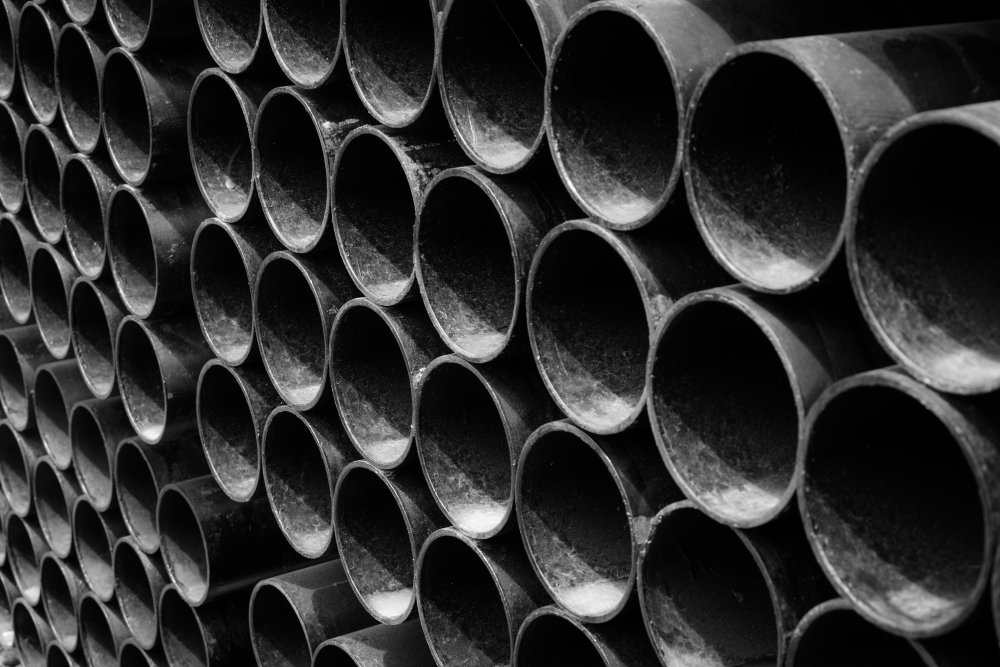
Local construction firms track material cost fluctuations to protect their project estimates from sudden budget increases. Understanding the galvanized iron pipe price trends helps contractors submit competitive bids for public and private developments. Builders must monitor several global and domestic market forces to predict upcoming material expense shifts.
Global Raw Material Price Shifts
Iron ore and zinc serve as the primary raw ingredients for these plumbing products. Global supply disruptions at major mining facilities cause sudden price spikes for raw metals. Local manufacturing plants adjust their retail rates when raw material acquisition costs rise worldwide. Philippine suppliers pass these international market expenses directly to local construction buyers.
Local Construction Demand Cycles
The dry season creates a massive peak in local construction activities across the provinces. Private developers and government agencies rush to finish concrete foundations before heavy rains arrive. This high building activity creates temporary material shortages at major hardware supply shops. Increased buyer competition during these busy months drives retail rates upward across cities.
Fuel and Transportation Tariff Changes
Shipping fleets transport heavy steel bundles from international foundries to local ports. Rising global oil prices increase the freight fees for maritime shipping lines. Delivery trucks also demand higher fees to move heavy goods from ports to provinces. These compounding transportation expenses raise the final price tag for local retail consumers.
Currency Exchange Rate Impacts
Philippine steel suppliers import a large percentage of their raw metal components from foreign markets. Trade transactions rely heavily on the current value of the local currency against foreign money. A weaker local currency means importers must spend more cash to buy identical material volumes. These currency fluctuations force local distributors to alter their warehouse wholesale sheets.
Manufacturing Energy Cost Factors
Production plants consume vast amounts of electrical power to melt zinc and weld steel plates. Local electricity rate hikes increase the operational expenses for domestic metal fabrication factories. Processing plants cannot absorb these high utility bills without losing their business earnings. Factories increase their product prices to maintain their standard company profit margins.
Import Tariff Regulations
Government trade policies place specific tax rates on imported metal goods to protect domestic steel mills. High tariff rates make foreign steel tubes more expensive for local trading companies. Lower tariffs introduce cheaper international options but reduce local factory sales volumes. Changes in national trade laws create swift pricing shifts in the local supply sector.
Steel Recycling Market Supply
Scrap metal collection networks provide alternative raw materials for modern smelting plants. High availability of recycled iron reduces the need for expensive new mining outputs. Scrap shortages force factories to buy pricey raw iron blocks from international sellers. Monitoring the scrap metal trade helps builders anticipate future factory production costs.
Urban Development Project Volumes
Large infrastructure projects in Metro Manila consume massive amounts of wholesale building supplies. Mega developments cause regional material shortages for smaller residential building firms. Small contractors face higher rates when large projects dominate the local supply chain. Regional development speeds directly influence the availability of standard plumbing materials.
Seasonal Weather Disruptions
The annual typhoon season slows down construction work and delays port unloading operations. Sea vessels cannot dock safely during severe weather events in the archipelago. Delayed shipments create low inventory levels at primary hardware distribution hubs. Low supply levels during storm months keep material options expensive for active projects.
Contractor Procurement Strategies
Savvy builders purchase bulk materials early to avoid sudden mid project cost increases. Securing long term supply contracts protects construction firms from monthly market updates. Small shops buy materials week by week and face constant market price risks. Advanced planning keeps material expenses stable throughout the entire building timeframe.
Global Supply Chain Bottlenecks
International port congestion delays the arrival of necessary manufacturing machinery parts. Factory slowdowns happen when production machines wait for imported replacement components. Reduced factory output limits the total number of pipes available to local hardware stores. Supply chain blockages create market scarcity that pushes retail costs higher.
Material Quality Standard Rules
National product standards require specific zinc layer weights for certified plumbing items. Low quality unbranded tubes cost less but fail official building safety checks. Premium certified products carry higher price tags because of strict factory testing methods. Builders pay more for standard items to avoid costly building inspection failures.
Key Takeaway
Tracking market trends allows construction firms to estimate material expenses with greater accuracy. Builders can safeguard project profits by studying how global forces alter the galvanized iron pipe price sheets. Smart material sourcing choices protect building companies from sudden shifts in the local market.
