
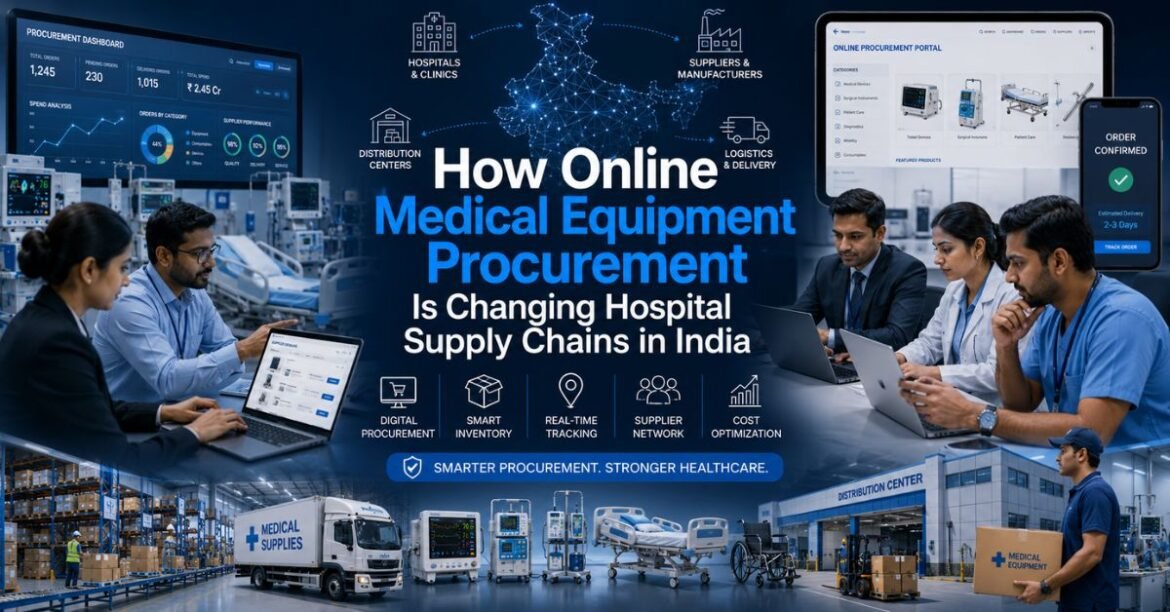
The healthcare sector in India is experiencing a major transformation as hospitals increasingly depend on digital procurement systems, with a Medical Equipment Online Store becoming an important resource for streamlining purchasing activities and improving operational efficiency.
The Shift Toward Digital Procurement
Traditionally, hospitals relied on manual purchasing processes that involved multiple intermediaries, extensive paperwork, and lengthy approval cycles. These conventional methods often resulted in delays, communication gaps, and inventory management challenges. As healthcare facilities continue expanding their services, the need for a more efficient procurement model has become increasingly evident.
Online procurement platforms are helping hospitals simplify sourcing procedures by providing access to a wide range of products through centralized digital systems. Procurement teams can review specifications, compare options, and place orders from a single interface, reducing the complexity associated with traditional purchasing practices.
Improved Supply Chain Visibility
One of the most significant advantages of online procurement is enhanced visibility throughout the supply chain. Hospitals can monitor product availability, track order status, and manage deliveries more effectively. This transparency allows procurement departments to make informed decisions and respond quickly to changing requirements.
Real-time information also helps healthcare organizations anticipate shortages before they affect patient care. By gaining better control over inventory levels, hospitals can reduce disruptions and maintain consistent access to essential medical supplies.
Faster Procurement Processes
Time is a critical factor in healthcare operations. Delays in acquiring medical equipment or consumables can impact treatment schedules and operational efficiency. Digital procurement systems significantly reduce the time required for sourcing and ordering products.
Instead of coordinating with multiple vendors through phone calls and emails, purchasing teams can complete transactions quickly through online platforms. Automated workflows further accelerate approval processes, enabling hospitals to respond more efficiently to urgent procurement needs.
Better Inventory Management
Inventory management remains one of the most challenging aspects of hospital administration. Overstocking can increase storage costs and create waste, while understocking can disrupt patient services. Online procurement systems help hospitals maintain balanced inventory levels through accurate tracking and demand forecasting.
Digital records provide valuable insights into purchasing patterns, helping administrators identify trends and plan future requirements more effectively. Improved inventory control also minimizes the risk of expired products and unnecessary expenditures.
Access to a Wider Supplier Network
Online procurement platforms connect hospitals with a broader range of suppliers than traditional sourcing methods. This expanded access enables healthcare facilities to evaluate multiple options and select products that best align with their operational requirements and budget considerations.
The ability to compare specifications, certifications, and supplier credentials in one place supports more informed purchasing decisions. Hospitals can also identify alternative suppliers when specific products become unavailable, reducing dependency on limited sourcing channels.
Enhanced Compliance and Documentation
Healthcare procurement requires careful attention to quality standards, regulatory compliance, and documentation requirements. Digital procurement systems simplify record management by maintaining centralized databases of invoices, purchase orders, certifications, and supplier information.
These organized records support auditing processes and improve accountability across procurement operations. Hospitals can access historical purchasing data whenever needed, making compliance management more efficient and reducing administrative burdens.
Cost Optimization Opportunities
Financial efficiency is a priority for healthcare institutions seeking to balance quality care with operational sustainability. Online procurement platforms help organizations identify cost-saving opportunities through price comparisons, bulk purchasing options, and supplier evaluations.
Greater market visibility allows procurement teams to negotiate more effectively and select solutions that provide long-term value. Reduced administrative workload and improved inventory control further contribute to overall cost optimization.
Supporting Healthcare Growth Across India
The expansion of healthcare infrastructure in both urban and emerging regions has increased demand for reliable procurement solutions. Digital sourcing platforms support this growth by enabling hospitals to access products regardless of geographic location.
Facilities operating in smaller cities and developing healthcare markets can benefit from improved accessibility and broader supplier networks. This increased connectivity helps ensure that healthcare providers across the country can obtain the resources needed to maintain quality patient services.
The Future of Hospital Supply Chains
As technology continues evolving, online procurement will likely become even more integrated into healthcare operations. Artificial intelligence, predictive analytics, and automated inventory management tools are expected to enhance procurement accuracy and efficiency further.
Hospitals that embrace digital procurement strategies are better positioned to adapt to changing market conditions and growing patient demands. The ability to access accurate information, streamline purchasing workflows, and maintain reliable supply chains will remain essential for future healthcare success.The ongoing digital transformation of hospital procurement is reshaping supply chain management throughout India, creating greater efficiency, transparency, and operational resilience while ensuring timely access to critical resources such as Orthopedic Surgical Instruments within modern healthcare environments.
