
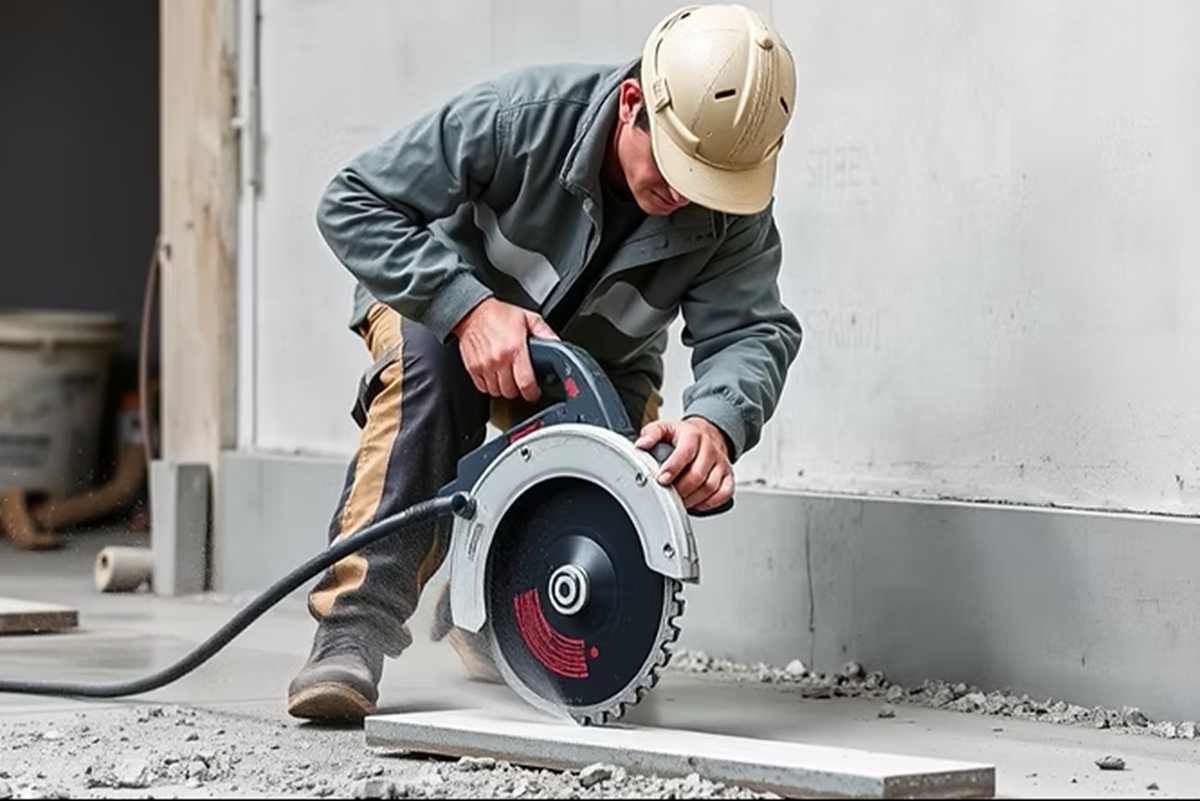
Concrete cutting is essentially the process of sawing, drilling, or removing concrete structures in a controlled manner. It’s a critical skill in both residential and commercial construction projects across Australia. From creating expansion joints in driveways to removing sections of flooring for utility access, this technique plays a vital role in modern building work. Whether you’re a DIY enthusiast tackling your first project or a tradesperson looking to brush up on best practices, understanding the fundamentals makes all the difference.
In this guide, you’ll discover everything you need to know about concrete cutting. We’ll explore the different cutting methods available, break down the essential equipment you’ll need, and walk through crucial safety tips that could prevent serious injuries. Plus, we’ll share step-by-step best practices, tackle common challenges, and help you decide whether to DIY or hire a professional. Let’s get stuck into it.
Types of Concrete Cutting Methods
When it comes to cutting concrete, there’s no one-size-fits-all approach. The method you choose depends on your specific project requirements, the thickness of the concrete, and the type of finish you need.
Flat sawing also known as slab sawing, is the most common method for horizontal surfaces. It’s perfect for cutting pavements, floors, bridge decks, and driveways. The saw rides on wheels across the surface, making it ideal for creating clean, straight cuts in flat concrete.
Wall sawing uses a track-mounted system to cut vertical or overhead surfaces. This method is brilliant for creating openings for doors, windows, or ventilation systems. The precision you can achieve with wall sawing makes it a favourite among professionals working on structural modifications.
Core drilling creates perfectly round holes through concrete and is essential for plumbing, electrical, and HVAC installations. Wire sawing handles the heavy-duty jobs think thick concrete structures or areas where other methods can’t reach. Meanwhile, hand sawing offers flexibility for smaller jobs or tight spaces where larger equipment simply won’t fit.
So, which method is best for your project? Consider the surface orientation, required cut depth, and accessibility. For most residential projects, flat sawing or hand sawing will do the trick nicely.
Essential Concrete Cutting Equipment
Getting your equipment sorted is half the battle won. The type of saw you choose will significantly impact your results, efficiency, and safety on the job.
Concrete saws come in three main varieties: petrol, electric, and hydraulic. Petrol saws offer portability and power, making them ideal for outdoor work where electricity isn’t readily available. Electric saws are quieter, produce no exhaust fumes, and work brilliantly for indoor projects. Hydraulic saws deliver serious cutting power for heavy-duty industrial applications.
The heart of any concrete cutting operation is the diamond blade. These blades contain industrial diamonds embedded in the cutting edge, allowing them to slice through tough materials. You’ll find wet-cutting blades designed for use with water suppression and dry-cutting blades for quick, smaller jobs. The right blade depends on your concrete type aggregate, reinforced, or green concrete each require specific blade specifications.
Can You Cut Concrete with a Regular Circular Saw?
Technically, yes but it’s not recommended. Regular circular saws lack the power, blade guard design, and dust management systems needed for concrete work. You’ll burn through standard blades in minutes and risk serious equipment damage or injury.
What Blade Do I Need to Cut Through Concrete?
For most concrete cutting tasks, a diamond blade is your best bet. Choose a segmented blade for dry cutting smaller sections, or a continuous rim blade for wet cutting when you need smoother finishes. Always match your blade diameter to your saw’s specifications.
Safety Tips for Concrete Cutting
Let’s be clear concrete cutting is hazardous work. Taking shortcuts with safety can lead to severe injuries, long-term health problems, or worse. Here’s how to protect yourself properly.
Personal protective equipment (PPE) isn’t optional. You’ll need safety glasses or goggles, hearing protection, a dust mask or respirator (P2 or higher for silica protection), steel-capped boots, heavy-duty gloves, and long sleeves. In Australia, respirable crystalline silica from concrete dust is a serious health concern prolonged exposure can cause silicosis, an incurable lung disease.
Dust control is absolutely critical. Silica dust particles are invisible to the naked eye but incredibly dangerous. Use water suppression systems whenever possible, as wet cutting reduces airborne dust by up to 85%. For dry cutting, use a saw with an integrated vacuum system and work in well-ventilated areas.
Noise management protects both you and your neighbours. Concrete cutting can exceed 100 decibels enough to cause permanent hearing damage. Wear appropriate hearing protection and be mindful of local council noise restrictions. Most Australian residential areas have specific times when noisy work is permitted.
Working with water suppression systemsserves dual purposes: dust control and blade cooling. Keep a steady water flow to the blade, ensuring it doesn’t overheat and wear prematurely. Just remember water and electricity don’t mix, so take extra precautions with electric saws.
How to Cut Concrete: Step-by-Step Best Practices
Ready to make your first cut? Following proper procedures ensures clean results and keeps you safe throughout the process.
Start by preparing your work area. Clear any debris, identify underground utilities (call Before You Dig Australia on 1100), and secure the area from foot traffic. Mark your cut lines clearly using chalk or a marking pencil measure twice, cut once, as the saying goes.
How Do You Cut Concrete for Beginners?
If you’re new to concrete cutting, start with smaller projects to build confidence. Begin by scoring a shallow guide cut about 10mm deep along your marked line. This prevents the blade from wandering and gives you a reference point. Then, make progressively deeper passes until you reach your desired depth. Never force the blade let the saw do the work.
Wet Cutting Versus Dry Cutting: Which Should You Use?
Wet cutting is generally preferred for larger jobs. It controls dust, keeps the blade cool, and extends blade life significantly. Dry cutting suits quick, smaller cuts where water isn’t practical think outdoor work in remote locations. However, if you’re cutting indoors, wet cutting with proper drainage is almost always the better choice for health reasons.
What Is the Easiest Way to Cut Concrete?
For beginners, using an angle grinder with a diamond blade on shallow cuts is the most manageable approach. It offers good control, is less intimidating than larger saws, and handles most DIY projects effectively.

Common Concrete Cutting Challenges and Solutions
Even experienced operators encounter obstacles. Knowing how to handle these challenges saves time and prevents costly mistakes.
Cutting reinforced concrete and rebar requires specialised diamond blades designed for both concrete and metal. Standard concrete blades will struggle with steel reinforcement. Slow your cutting speed when you hit rebar to prevent blade damage and overheating.
Unexpected cracks and voids can throw off your cutting path. If you encounter a crack, stop and assess whether it affects structural integrity. For voids, reduce pressure on the saw to prevent blade binding.
How Deep Can You Cut Concrete in One Pass?
This depends on your saw’s capacity and blade size. Generally, limit each pass to about 25-50mm depth for clean results and blade longevity. Deeper cuts require multiple passes, gradually increasing depth with each run. Trying to cut too deep too quickly strains your equipment and produces rough edges.
DIY Concrete Cutting vs Hiring a Professional
Here’s the honest truth not every concrete cutting job belongs in DIY territory. Knowing when to call in the experts can save you money, time, and potential injuries.
Tackle it yourself when you’re dealing with small, straightforward cuts in non-structural concrete. Cutting a single control joint in a garden path? That’s manageable. Creating a small opening for a pet door in a garage wall? Probably fine with proper preparation.
Maintaining Your Concrete Cutting Equipment
Your equipment represents a significant investment proper maintenance extends its working life dramatically.
Inspect blades before each use, checking for cracks, missing segments, or uneven wear. Replace blades when segments wear below 2mm height or when cutting becomes noticeably slower. Clean your saw after each use, removing concrete slurry and debris that can cause corrosion.
Store equipment in dry conditions and follow manufacturer service schedules. A well-maintained concrete saw can last years; a neglected one might fail mid-project.
Conclusion
Concrete cutting doesn’t have to be intimidating. With the right method, proper equipment, and strict attention to safety, you can achieve professional-quality results on your next project. Remember, the key elements are choosing the appropriate cutting technique for your specific job, investing in quality diamond blades, and never compromising on protective equipment.
Whether you’re a weekend warrior upgrading your outdoor space or a tradesperson expanding your skill set, these best practices will serve you well. Take your time with preparation, respect the equipment’s capabilities, and prioritise dust control above all else your lungs will thank you for decades to come.
Ready to tackle that concrete cutting project? Start small, build your confidence, and don’t hesitate to call in professionals when the job demands it. Sometimes the smartest cut is knowing when not to make one yourself. Good luck with your next project!