
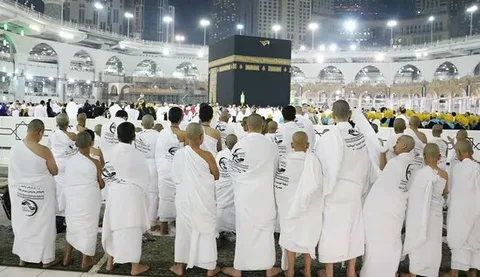
Every year, millions of Muslims travel to Makkah for Umrah, but not every month looks the same in terms of rush and crowd levels. In recent years, August Umrah Packages have drawn a lot of attention as a “smart” option for those who want a more manageable crowd and a calmer atmosphere. The main question is: can they really keep the crowds under control?
Travel companies often promote August Umrah Packages as a balance between affordability, slightly lower crowds, and convenient dates during summer holidays. However, to understand whether they truly keep crowds manageable, we need to look beyond marketing and examine what actually happens on the ground in Makkah and Madinah.
Is August Really Less Crowded?
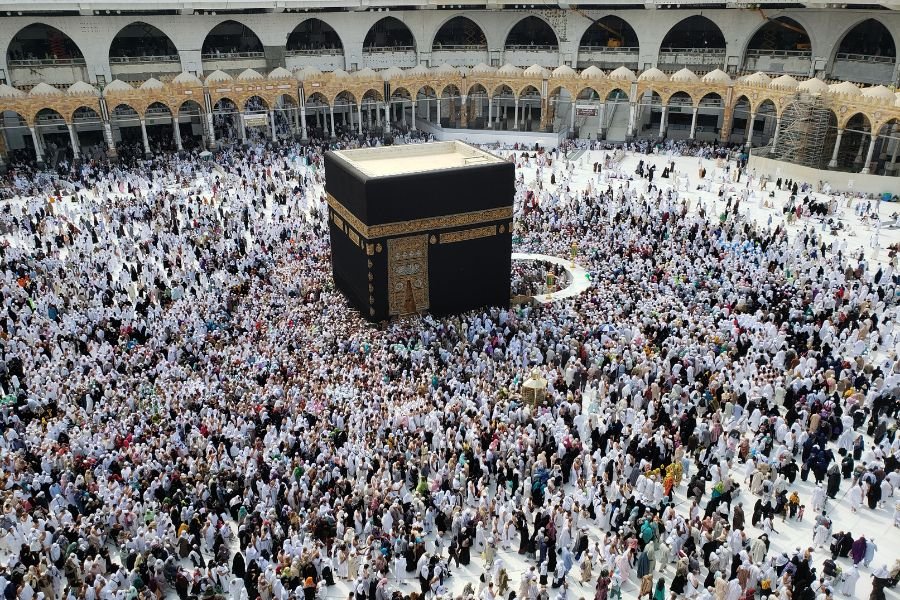
Umrah continues throughout the year, so you will never find the Haram completely empty. Still, some months are noticeably busier than others:
- High crowd periods include Ramadan, Rabi-ul-Awwal (for some), and December–January.
- Hajj season also affects Umrah traffic, especially in the weeks just before and after Hajj.
- August is often peak summer in many countries, and due to the extreme heat, some families, elderly people, and those with health issues avoid traveling in this month.
Because of this, August usually falls somewhere in the middle: not as quiet as a full off-peak month, but generally less crowded than Ramadan or the days close to Hajj. This is where well-designed August packages can play a role in keeping a pilgrim’s personal experience of crowds much more manageable.
How Do Travel Agencies Help Manage Crowds?
Choosing August as a month is just one part of the equation. Good agencies try to manage the “micro-crowd” — meaning how your own group moves and experiences the rush — by planning details like:
- Flight timings: Selecting arrival and departure slots that avoid the busiest rush hours at Jeddah and Madinah airports.
- Hotel location: Booking hotels close to the Haram so you avoid long walks through busy streets and repeated exposure to dense crowds.
- Group size: Keeping groups smaller and more manageable (for example, 30–50 people instead of very large groups).
- Staggered schedules: Designing different time slots for group members to perform Tawaf, Sa’i, and visits, instead of sending everyone at once.
These strategies don’t reduce the overall number of pilgrims in the city, but they can significantly improve how “crowded” your own Umrah feels.
What Happens on the Ground: Real-Time Crowd Management
Once you arrive in Makkah, real-time decisions matter even more than the month or the package you chose. A few practical approaches that genuinely affect your crowd experience include:
- Using off-peak prayer times
- Performing Tawaf late at night (a few hours after Isha) or soon after Fajr often means thinner crowds.
- Avoiding the intense midday heat naturally reduces the number of people present outdoors at the same time as you.
- Choosing different levels of the Haram
- Using upper floors for Tawaf instead of insisting on the ground level can spread people out and reduce pushing and congestion.
- Following group leaders
- Experienced group leaders know safer access gates, less crowded entry points, and better timings. Following their guidance can make your individual experience much smoother and safer.
When combined, these small decisions can transform a heavy-rush period into something far more bearable.
Does August Heat Reduce Crowds or Increase Problems?
The extreme heat of August in Makkah and Madinah influences crowd behavior in two opposite ways:
- Helpful side:
- Some people postpone or avoid Umrah in very hot months, which can reduce overall numbers and therefore slightly ease crowd pressure.
- Challenging side:
- Those who do come need more breaks, shade, and water, which can create localized mini-crowds around cooler, shaded, or air-conditioned areas.
Well-planned August Umrah Packages usually respond to this by structuring the heaviest rituals at night or at dawn, when temperatures are lower, and keeping the hottest part of the day for rest, indoor worship, and recovery.
Advantages of August: More Focus, Fewer Lines
Even if the Haram is never empty, there are clear benefits you may notice in August compared with peak months:
- Shorter waiting times at ablution (wudu) areas, some gates, and certain food outlets.
- More quiet sections of the masjid where you can focus better on Qur’an, dhikr, and dua.
- Slightly more personal space during Tawaf and Sa’i, especially if you choose upper floors or off-peak hours.
People who have experienced both August and peak seasons often report that August gives them more mental calm and space for reflection, while intense months like Ramadan can feel more physically demanding due to sheer numbers.
Hajj Season and Crowd Dynamics
August crowds are often connected to where the Hajj season falls in that year’s Islamic calendar. When hajj packages are at their peak, many pilgrims focus on Hajj rather than Umrah, which can change the Umrah crowd pattern:
- In the weeks right before Hajj, airports, roads, and some hotels can be busier due to arriving Hajj groups.
- In the weeks right after Hajj, there can also be a spike as Hajj pilgrims perform Umrah or extend their stay.
However, even then, the actual Umrah crowd inside the Haram is often more manageable than in Ramadan. A smart move is to check Hajj dates for that year and pick August dates that are a bit away from the heaviest Hajj traffic period.
Real Experiences: More Than Just Theory
Feedback from pilgrims who have gone for Umrah in August reveals some consistent patterns:
Common advantages:
- Less intense pushing during Tawaf compared with the busiest times of the year.
- Easier to find a place to sit inside the masjid outside the main prayer peaks.
- Often better hotel prices than Ramadan, making it easier to book closer to the Haram (which indirectly manages your exposure to crowds).
Common challenges:
- Very high temperatures, especially during transfers between Jeddah–Makkah–Madinah and during outdoor ziyarah.
- Being out under the sun in any crowd is more exhausting.
- Extra care needed for hydration, sun exposure, and rest, particularly for the elderly and those with medical conditions.
Well-designed August Umrah Packages that account for these realities can genuinely reduce the feeling of being overwhelmed by crowds and heat.
Comparing with Other Months: Ramadan Umrah Packages vs August
When pilgrims think about crowd levels, they often compare August to Ramadan Umrah Packages. Ramadan is spiritually unmatched but naturally far more crowded:
- Daily fasting, Taraweeh, and long nightly prayers bring huge numbers into the Haram.
- The last ten nights, in particular, can feel near-capacity both inside and around the masjid.
- Tawaf and Sa’i often become physically demanding due to the combination of fasting, late nights, and the number of worshippers.
By contrast, August usually offers:
- More flexible scheduling without the fixed structure of fasting times.
- Slightly lower crowd pressure, especially during nights and early mornings.
- More opportunities to choose less busy slots for key rituals.
So, while Ramadan Umrah Packages are ideal for those who prioritize the unique blessings of Ramadan, August can be a better choice for people whose priority is more manageable crowds and physical comfort.
Practical Tips to Manage Crowds in August
To truly benefit from August, don’t rely only on the package; manage your own actions as well:
- Check your health beforehand
- Consult your doctor if you have heart disease, diabetes, kidney problems, or any chronic illness.
- Plan for hydration
- Carry water, oral rehydration salts, or electrolyte drinks. Drink regularly, not only when you feel thirsty.
- Dress for the climate
- Wear light, breathable clothing and comfortable footwear that can handle hot surfaces.
- Schedule smart worship times
- Aim to perform physically demanding rituals at night or soon after Fajr. Use the hottest hours for rest and indoor worship.
- Stay disciplined in groups
- If you travel with a group, follow the leader’s plan for timing and entry/exit points. Group discipline is one of the simplest forms of effective crowd management.
These small but consistent actions help keep your personal experience of crowds calm and controlled.
Families and Budgets: August or Ramadan?
Families often have to balance spirituality, safety, and finances. When comparing August with Ramadan Umrah Packages, think carefully about:
- Costs: Ramadan often brings higher prices for flights and accommodation. August can be noticeably more affordable.
- Crowds: Ramadan generally has much heavier crowds; this can be stressful for small children and elderly relatives.
- Routine: In Ramadan, fasting naturally restricts meal and rest times. In August, you have more freedom to rest during peak heat and move when it’s cooler.
For many families, especially those traveling with children or elderly parents, August offers a more practical mix of moderate crowds, flexible routines, and reduced financial strain, while still allowing a deeply spiritual journey.
Is August a “Perfect” Month for Umrah?
No month is perfect, and August certainly has its challenges, especially in terms of heat. Yet:
- Compared with peak seasons, crowds in August are generally more manageable.
- Travel agents have refined their August Umrah Packages to address both temperature and crowd issues through smarter scheduling and logistics.
- With realistic expectations, good health precautions, and thoughtful planning, you can achieve a strong balance of spiritual focus and physical comfort.
Ultimately, Umrah is an act of worship that remains meaningful in every month. However, choosing the right time and using well-planned August Umrah Packages can reduce stress, improve crowd conditions, and help you focus your heart and mind on the real purpose of your journey to the House of Allah.
