
Introduction
The global demand for pasta products continues to increase as consumers seek convenient, affordable, and long-shelf-life food options. As production volumes grow, manufacturers require advanced equipment that can deliver consistent quality, higher efficiency, and reliable performance.
This is why many food processing companies are investing in a commercial long pasta production line equipped with modern automation technologies. A complete pasta production line combines mixing, extrusion, drying, conveying, cooling, and packaging into an integrated manufacturing solution.
Whether you are planning a new pasta factory or upgrading an existing facility, understanding the role of an automatic pasta making machine, industrial pasta dryer, and automatic pasta packing machine is essential for long-term success.
What Is a Commercial Long Pasta Production Line?
A commercial long pasta production line is a complete manufacturing system designed to produce long-cut pasta products efficiently and consistently.
Common products include:
- Spaghetti
- Vermicelli
- Linguine
- Fettuccine
- Long-cut specialty pasta
A modern long cut pasta production line automates multiple production stages to improve efficiency and product quality.
Typical Production Process
| Production Stage | Equipment |
|---|---|
| Dough Preparation | Pasta Making Machine |
| Product Shaping | Long Cut Pasta Making Machine |
| Drying | Pasta Drying System |
| Cooling | Product Cooling Section |
| Packaging | Pasta Packing Machine |
This integrated approach helps manufacturers achieve continuous production with minimal manual intervention.
How Does an Automatic Pasta Making Machine Work?
An automatic pasta making machine is designed to streamline pasta production while maintaining consistent product quality.
The machine performs several important functions:
- Dough preparation
- Extrusion
- Product shaping
- Production control
Compared to manual systems, a fully automatic pasta making machine offers:
- Higher production capacity
- Better consistency
- Reduced labor requirements
- Improved efficiency
For industrial food manufacturers, automation often provides significant operational advantages.
Why Are Industrial Pasta Making Machines Becoming More Popular?
Modern food manufacturers face increasing challenges such as labor shortages, quality control requirements, and rising production costs.
An industrial pasta making machine helps address these challenges by improving process control and productivity.
Benefits of Industrial Pasta Machines
- Continuous operation
- Consistent output
- Reduced production waste
- Improved product quality
- Higher manufacturing efficiency
As a result, industrial automation is becoming a key factor in competitive pasta production.
What Is the Role of a Long Cut Pasta Making Machine?
A long cut pasta making machine is specifically designed for producing elongated pasta products.
These machines provide:
- Accurate shaping
- Consistent dimensions
- Uniform texture
- Stable production performance
Because long pasta products require precise handling during production and drying, specialized equipment is essential for maintaining quality standards.
Why Is a Pasta Drying System Important?
The pasta drying system is one of the most critical components of a pasta production facility.
Freshly extruded pasta contains moisture that must be removed before packaging.
Without proper drying, manufacturers may experience:
- Product breakage
- Short shelf life
- Quality inconsistencies
- Packaging issues
A modern Industrial Pasta Drying System ensures controlled moisture reduction while preserving product integrity.
What Is an Industrial Pasta Dryer?
An industrial pasta dryer is specialized equipment used to reduce moisture levels in pasta products under controlled conditions.
The drying process directly affects:
- Shelf life
- Product strength
- Cooking performance
- Packaging quality
Many manufacturers now prefer advanced drying solutions because they improve consistency and reduce production losses.
How Does a Pasta Conveyor Dryer Improve Production?
A pasta conveyor dryer helps automate the drying process by moving products continuously through controlled drying zones.
Benefits of a Pasta Conveyor Dryer
| Advantage | Benefit |
|---|---|
| Continuous Processing | Higher throughput |
| Controlled Drying | Better quality |
| Reduced Labor | Improved efficiency |
| Uniform Airflow | Consistent results |
These systems are commonly used in large-scale industrial manufacturing facilities.
What Is a Pasta Belt Dryer?
A pasta belt dryer uses conveyor belts to transport pasta through multiple drying stages.
This technology provides:
- Uniform moisture removal
- Stable product quality
- Efficient production flow
- Reduced handling damage
A properly designed belt dryer helps manufacturers improve operational efficiency while maintaining high product standards.
Why Do Manufacturers Use Pasta Continuous Dryers?
A pasta continuous dryer supports uninterrupted production by allowing products to move through drying chambers without stopping.
Advantages of Continuous Drying
- Increased productivity
- Consistent moisture control
- Better process management
- Reduced production delays
Many modern automatic pasta dryers use continuous drying technology to maximize efficiency.
How Does an Automatic Pasta Dryer Improve Product Quality?
An automatic pasta dryer uses advanced controls to regulate:
- Temperature
- Humidity
- Airflow
- Drying duration
These controls help achieve:
- Better shelf life
- Reduced cracking
- Improved texture
- Consistent moisture levels
Automated drying systems play a vital role in modern pasta manufacturing.
What Should You Look for in the Best Pasta Packing Machine?
Packaging is the final stage of production and has a direct impact on product presentation and shelf life.
The Best Pasta Packing Machine should provide:
- Accurate weighing
- Reliable sealing
- High-speed packaging
- Product protection
A quality pasta packing machine helps manufacturers reduce waste and improve packaging efficiency.
Why Is an Automatic Pasta Packing Machine Important?
An automatic pasta packing machine improves productivity by automating the packaging process.
Benefits
- Faster packaging speeds
- Reduced labor costs
- Better package consistency
- Improved production efficiency
For large manufacturers, automated packaging is often essential for meeting production targets.
What Is an Industrial Pasta Packing Line?
An Industrial Pasta Packing Line combines multiple packaging operations into a single integrated system.
The line may include:
- Product feeding systems
- Weighing equipment
- Packaging machines
- Sealing systems
- Inspection equipment
Integrated packaging lines help manufacturers improve workflow and increase output.
Why Are Pasta Machine Parts Important?
Reliable pasta machine parts are essential for maintaining production efficiency.
Regular maintenance helps:
- Prevent downtime
- Improve machine lifespan
- Maintain product quality
- Reduce repair costs
Manufacturers should always ensure the availability of quality replacement components.
How to Choose the Best Pasta Machine Manufacturers?
Selecting the right equipment supplier is a critical business decision.
When evaluating pasta machine manufacturers, consider:
Manufacturing Experience
Industry expertise often reflects equipment reliability.
Technology
Modern automation improves efficiency and product consistency.
Technical Support
Reliable support reduces operational disruptions.
Spare Parts Availability
Access to quality pasta machine parts helps maintain production continuity.
Why Are Manufacturers Looking for Pasta Machine Manufacturers India?
The demand for pasta machine manufacturers India continues to grow because Indian manufacturers offer:
- Competitive pricing
- Modern automation solutions
- Custom manufacturing capabilities
- Global export support
Many companies are also becoming recognized as reliable pasta machine exporters serving international markets.
What Is the Pasta Making Machine Price?
One of the most common questions buyers ask is:
What is the pasta making machine price?
The answer depends on several factors:
- Production capacity
- Automation level
- Drying technology
- Packaging integration
- Customization requirements
Factors Affecting Cost
| Factor | Impact on Price |
|---|---|
| Capacity | Higher capacity increases investment |
| Automation | Advanced automation raises cost |
| Drying System | More sophisticated systems cost more |
| Packaging Integration | Additional functionality increases price |
Businesses should evaluate long-term value rather than focusing solely on initial investment.
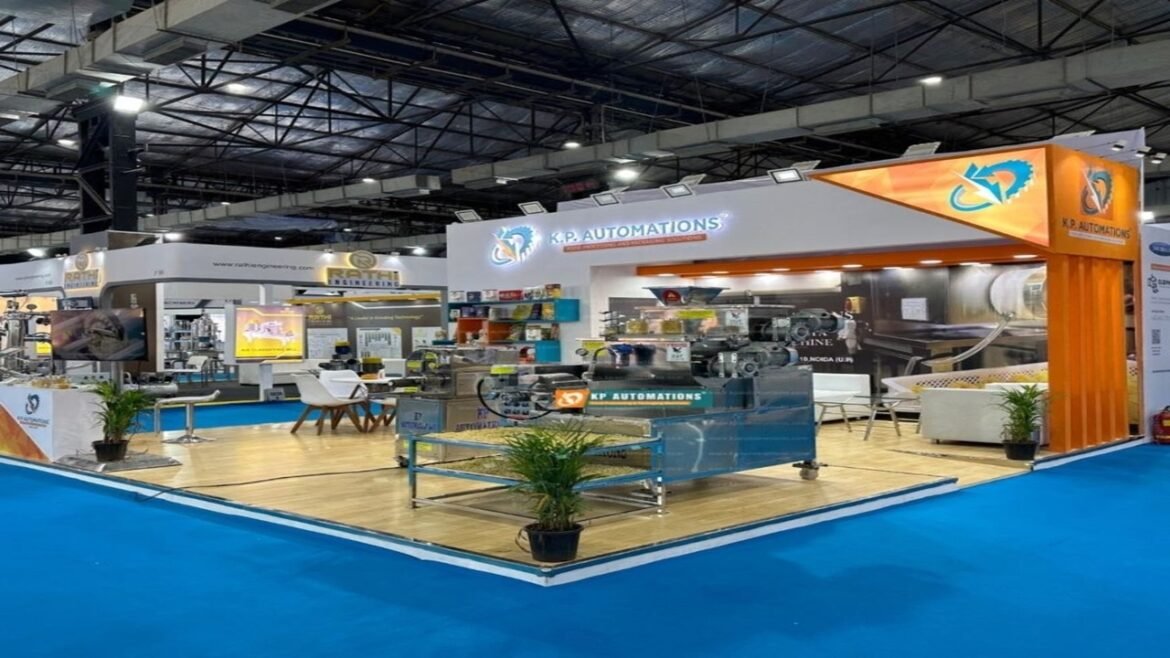
Why Do Food Manufacturers Choose KP Automations?
When selecting industrial equipment, manufacturers often prioritize reliability, automation, and long-term support.
KP Automations is recognized for manufacturing:
- Automatic Pasta Making Machines
- Fully Automatic Pasta Making Machines
- Commercial Long Pasta Production Lines
- Long Cut Pasta Production Lines
- Industrial Pasta Drying Systems
- Industrial Pasta Packing Lines
- Automatic Pasta Packing Machines
Their solutions are designed to help food manufacturers improve production efficiency, maintain consistent quality, and support business growth.
Frequently Asked Questions
What is a commercial long pasta production line?
A commercial long pasta production line is a complete manufacturing system designed to produce products such as spaghetti, vermicelli, and other long pasta varieties.
What is the difference between a pasta conveyor dryer and a pasta belt dryer?
Both are used for continuous drying, but design configurations may vary depending on production requirements.
Why is a pasta drying system important?
It controls moisture levels, improves shelf life, and helps maintain product quality.
What does an automatic pasta packing machine do?
It automates packaging operations, improving speed, accuracy, and efficiency.
How do I choose the best pasta machine manufacturers?
Evaluate experience, technology, support services, spare parts availability, and production capabilities.
What factors affect pasta making machine price?
Production capacity, automation level, drying technology, packaging integration, and customization options all influence pricing.
Conclusion
Investing in a commercial long pasta production line requires careful evaluation of production goals, automation requirements, drying technology, packaging systems, and future growth plans. Modern industrial pasta making machines, automatic pasta dryers, pasta conveyor dryers, and automatic pasta packing machines help manufacturers achieve higher productivity and consistent product quality.
As demand for pasta products continues to grow, choosing reliable equipment from experienced pasta machine manufacturers can provide long-term operational advantages and support sustainable business expansion.
