
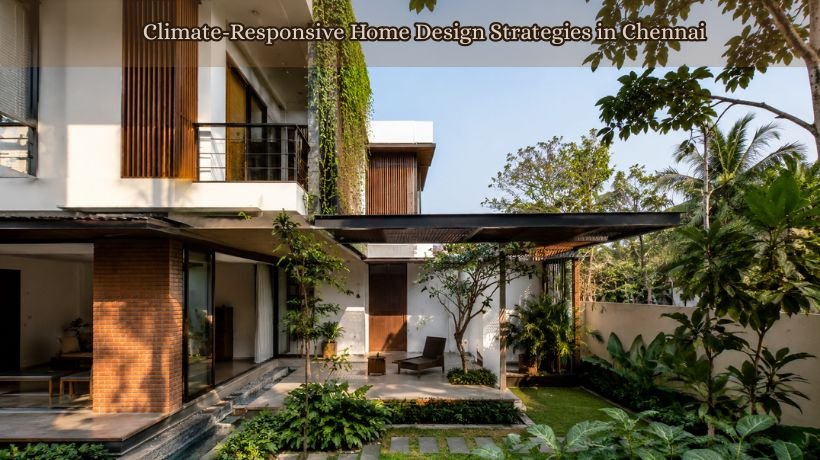
Chennai’s tropical climate presents unique challenges for homeowners and designers. High temperatures, humidity, and seasonal rainfall require homes to be carefully planned to ensure comfort, energy efficiency, and long-term durability. Climate-responsive architecture focuses on designing homes that work in harmony with local environmental conditions rather than against them. Today, many Architecture Firms in Chennai incorporate climate-responsive strategies to create homes that remain comfortable throughout the year while reducing energy consumption and enhancing overall living quality.
Understanding Climate-Responsive Design
Climate-responsive design is an architectural approach that considers local weather patterns, sun movement, wind direction, rainfall, and temperature variations during the planning stage. Instead of relying heavily on mechanical cooling systems, these designs utilize natural resources such as sunlight, airflow, and shading to improve indoor comfort.
In Chennai, where summers can be intense, climate-responsive homes help reduce heat gain, improve ventilation, and maintain pleasant indoor temperatures. This approach not only enhances comfort but also supports sustainable living.
Proper Site Orientation
One of the most effective climate-responsive strategies is proper site orientation. The positioning of a house significantly influences how much heat and sunlight it receives throughout the day.
Architects often orient living spaces to minimize direct exposure to harsh afternoon sunlight. Bedrooms and frequently used spaces can be positioned to receive softer natural light, while service areas can act as buffers against excessive heat. Proper orientation also helps capture prevailing winds, improving natural airflow throughout the home.
Maximizing Natural Ventilation
Ventilation plays a crucial role in maintaining indoor comfort in Chennai’s humid climate. Well-designed homes encourage continuous airflow through carefully placed windows, doors, and openings.
Cross ventilation is particularly effective, allowing fresh air to enter from one side of the home and exit through another. This natural movement of air helps reduce indoor temperatures, improves air quality, and minimizes dependence on air conditioning.
Open floor plans, ventilated staircases, and strategically positioned courtyards further enhance airflow and create healthier living environments.
Effective Shading Solutions
Reducing direct solar heat gain is essential in tropical regions. Climate-responsive homes use various shading techniques to protect interiors from excessive sunlight.
Features such as deep roof overhangs, pergolas, balconies, sunshades, and vertical screens help block harsh rays while still allowing natural light to enter. Trees and landscape elements can also provide natural shading, improving outdoor comfort and reducing surrounding temperatures.
These shading solutions contribute to lower indoor heat levels and improved energy efficiency.
Utilizing Thermal-Resistant Materials
The choice of construction materials significantly impacts a home’s ability to withstand Chennai’s climate. Materials with good thermal performance help reduce heat transfer into interior spaces.
Light-colored exterior finishes reflect sunlight more effectively than darker surfaces. Insulated roofing systems, thermal blocks, and heat-resistant wall materials can further improve energy performance. Durable materials that resist moisture and weathering also contribute to the long-term durability of the structure.
Selecting suitable materials helps create homes that remain comfortable while reducing maintenance requirements over time.
Integrating Green Spaces
Landscaping is an important component of climate-responsive design. Trees, gardens, lawns, and green courtyards can significantly improve the microclimate around a home.
Vegetation provides shade, cools the surrounding air, and reduces heat reflected from hard surfaces. Courtyard gardens can also improve ventilation and create pleasant outdoor spaces for relaxation.
Green spaces not only enhance aesthetics but also contribute to environmental sustainability and improved living conditions.
Managing Rainwater Efficiently
Chennai experiences seasonal monsoon rains, making effective water management essential. Climate-responsive homes incorporate systems that manage rainfall efficiently while conserving water resources.
Rainwater harvesting systems collect and store rainwater for future use. Proper drainage design prevents water accumulation and protects foundations from damage. Permeable paving and landscape solutions help improve groundwater recharge and reduce runoff.
These measures contribute to both environmental responsibility and long-term property protection.
Energy-Efficient Design Features
Modern climate-responsive homes often include energy-efficient features that complement passive design strategies. These may include energy-efficient lighting, solar panels, insulated windows, and smart home systems that optimize resource consumption.
By reducing energy demand, homeowners can lower utility costs while minimizing their environmental footprint. Combining passive and active sustainability measures creates a comprehensive approach to modern residential design.
Creating Comfortable and Sustainable Homes
Climate-responsive architecture is more than just a design trend; it is a practical solution for creating homes that are comfortable, efficient, and resilient. By considering local climate conditions during the planning and construction process, homeowners can enjoy better indoor comfort, lower energy costs, and improved long-term performance.Successful implementation of these strategies requires collaboration between architects, engineers, and Building Contractors in Chennai who understand regional climate challenges and construction best practices. Through thoughtful planning and sustainable design principles, climate-responsive homes can provide healthier living environments while meeting the demands of modern lifestyles and future environmental needs.
