
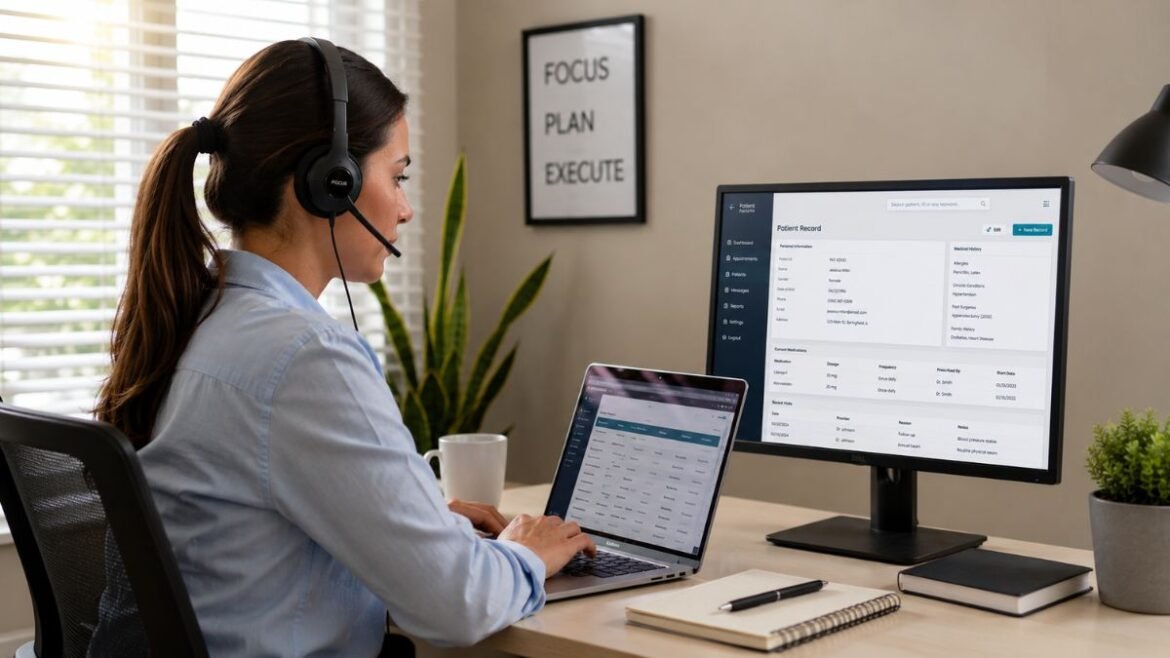
The healthcare industry is experiencing a massive digital transformation, driven by the need to reduce administrative burdens and allow practitioners to focus more on patient care. Medical professionals often find themselves buried under mountains of paperwork, appointment scheduling, and insurance verifications. This overwhelming administrative workload can lead to burnout and a decrease in the quality of face-to-face patient interaction. To combat this challenge, many modern healthcare providers are turning to innovative digital solutions to streamline their daily operations. By integrating Virtual Medical Assistant Services into their workflows, healthcare practices can seamlessly delegate time-consuming administrative duties to highly trained remote professionals. Utilizing Virtual Medical Assistant Services enables practices to maintain high operational standards, improve organizational workflows, and ultimately elevate the overall patient journey without adding physical clutter or overhead to the office.
- Administrative Burnout: The heavy burden of endless clinical paperwork drastically limits the face-to-face time healthcare providers can spend with patients.
- The Digital Shift: Modern medical practices are actively embracing remote, digital solutions to combat operational inefficiencies and staffing shortages.
- Workflow Optimization: Remote healthcare assistants seamlessly manage repetitive front-office and back-office tasks from a distance.
- Patient Experience: Delegating administrative burdens ensures that patients receive more focused attention, faster responses, and smoother communication.
Key Administrative Duties Handled Efficiently
The operational backbone of any medical practice relies heavily on how smoothly front-desk operations are handled. When in-office staff are forced to answer phones, greet physical patients, and process paperwork simultaneously, mistakes happen. Remote assistants step in to take over these repetitive but vital administrative responsibilities.
Appointment Scheduling and Calendar Management
Managing a chaotic medical calendar requires constant attention and precise coordination to prevent costly scheduling conflicts. Remote support professionals oversee the entire scheduling ecosystem, booking new consultations, handling cancellations, and organizing follow-up visits. They also implement automated and manual reminder systems to follow up with patients ahead of their slots. This proactive approach dramatically reduces the rate of costly no-shows and ensures the daily clinical schedule remains optimized and predictable.
Patient Intake and Data Entry
Before a patient ever speaks to a medical professional, a significant amount of demographic and personal details must be accurately recorded. Remote assistants coordinate the collection of digital intake forms, capturing history, contact details, and vital consent documentation. Once gathered, they meticulously input this information directly into the practice’s electronic database. This ensures that records are thoroughly updated and fully accessible to the practitioner before the appointment begins.
- Front-Desk Inefficiencies: Overburdened in-office teams often struggle to balance physical patient care with heavy phone and data management.
- Proactive Scheduling: Dedicated remote specialists organize appointment books, manage cancellations, and send timely patient reminders.
- No-Show Reduction: Consistent, organized follow-ups drastically minimize empty appointment slots and maximize daily clinical efficiency.
- Accurate Data Intake: Digital onboarding forms are thoroughly reviewed and entered into electronic databases ahead of consultations.
Mastering Electronic Health Record Management
Accurate documentation within Electronic Health Records (EHR) systems is mandatory for maintaining operational continuity, yet it consumes hours of a practitioner’s day. Remote support specialists are proficient in navigating complex health informatics platforms, assisting with real-time data management.
Real-Time Clinical Documentation Support
During consultations, a remote assistant can listen via a secure connection to document the encounter as it happens. They accurately transcribe the conversation, recording the primary complaints, visual observations, and planned next steps into the system. This allows the practitioner to maintain direct eye contact and engage deeply with the patient, rather than staring at a computer screen typing notes.
Chart Updating and Record Organization
A patient’s medical history is dynamic, requiring constant updates as new information arrives from various sources. Remote assistants organize these incoming records, filing external laboratory results, imaging reports, and consultant letters into the correct sections of the digital chart. By keeping records impeccably organized, they eliminate the time practitioners waste hunting for missing documentation during critical decision-making moments.
- EHR Burden Relief: Maintaining detailed electronic health records is highly time-consuming but essential for modern practice continuity.
- Attentive Consultations: Real-time remote transcription allows healthcare providers to focus on the patient instead of a computer screen.
- Structured Information Flow: External test results, laboratory diagnostics, and imaging reports are filed accurately into digital charts.
- Rapid Data Access: Impeccably organized digital folders allow practitioners to retrieve vital historical data in a matter of seconds.
Streamlining Communication Infrastructure
Effective communication is the lifeblood of patient retention and operational success, yet a barrage of daily inquiries can quickly paralyze an office. Remote healthcare assistants act as a reliable communication bridge, filtering incoming queries and ensuring no message falls through the cracks.
Professional Phone and Email Management
A significant portion of a medical office’s daily volume consists of routine inquiries, prescription refill requests, and basic questions. Remote assistants answer dedicated phone lines and manage central email inboxes with utmost professionalism. They resolve basic operational queries independently and escalate complex clinical messages to the appropriate internal medical staff, keeping communication clear and organized.
Multi-Channel Patient Follow-Ups
Clear communication should not stop when the patient walks out the door. Remote assistants proactively reach out to individuals post-consultation to deliver non-urgent updates, share educational materials, or remind them of upcoming diagnostic tests. This consistent touchpoint strengthens the relationship between the practice and the individual, ensuring patients feel supported throughout their entire care journey.
- Inbound Query Filtration: Remote communication experts handle high volumes of incoming phone calls and emails to prevent office bottlenecks.
- Strategic Message Escalation: Routine questions are handled independently, while complex inquiries are systematically routed to clinical personnel.
- Post-Visit Support: Remote teams manage essential follow-up loops, sending educational materials and outlining subsequent care steps.
- Patient Retention Boost: Consistent, empathetic, and professional communication channels significantly increase long-term satisfaction and loyalty.
Optimizing Care Coordination and Workflow Logistics
A successful healthcare outcome often requires significant coordination behind the scenes, particularly when a patient needs external care or specialized resources. Remote assistants excel at managing these complex logistical moving pieces, ensuring seamless transitions between different entities.
Referral Processing and Management
When a patient requires a specialist’s opinion, the referral process can often become delayed due to administrative inertia. Remote assistants compile the necessary medical summaries, generate official referral letters, and securely transmit them to external facilities. They track these requests continuously, ensuring the receiving office schedules the patient promptly and returns the consultation report back to the primary practice.
Care Coordination Support
For individuals managing multiple chronic conditions, coordinating care across various providers is highly complex. Remote assistants help bridge these gaps by cross-referencing care plans, ensuring the patient has scheduled all required diagnostic screenings, and verifying that different specialized teams are well-informed. This rigorous coordination prevents fragmented care and helps keep the overall health plan fully aligned.
- Logistical Complexity: Successful health outcomes depend heavily on smooth coordination between primary practices and external specialists.
- Expedited Referrals: Remote teams compile documentation, submit referral requests, and actively follow up to prevent care delays.
- Unified Health Tracking: For complex health management, remote coordinators ensure all external specialized appointments remain aligned.
- Information Loop Closure: Specialists’ reports are systematically tracked and retrieved, keeping the primary practitioner fully informed.
Frequently Asked Questions
What tasks are primary handled by a remote assistant?
Remote assistants focus strictly on non-clinical duties such as appointment scheduling, calendar management, data entry into electronic health systems, patient intake coordination, managing phone lines, responding to administrative emails, and processing specialist referrals.
How do remote assistants access a practice’s electronic health system?
Remote assistants access systems securely via encrypted Virtual Private Networks (VPNs) and dual-factor authentication protocols, allowing them to work directly within the practice’s existing software infrastructure in real time without compromising data integrity.
Can a remote assistant help reduce operational overhead?
Yes. Because these professionals work entirely from remote locations, practices can significantly scale up their administrative support without needing extra physical office space, desks, computers, or traditional on-site employee benefits.
How do remote assistants improve the overall patient experience?
By absorbing the massive influx of phone calls, emails, and data entry tasks, they eliminate front-office bottlenecks. This allows the physical office staff to give their full, undivided attention to the individuals standing right in front of them.
