
Real estate tokenization is rapidly emerging as a practical way to digitize property ownership, improve liquidity, and expand global investment access. By representing real estate assets as blockchain-based tokens, businesses can enable fractional ownership, automate transactions, and streamline investment processes.
However, building a real estate tokenization platform from scratch is a complex undertaking that requires deep expertise in blockchain architecture, smart contracts, compliance systems, investor onboarding, and security infrastructure. For many organizations, this can significantly delay product launch and increase development risk.
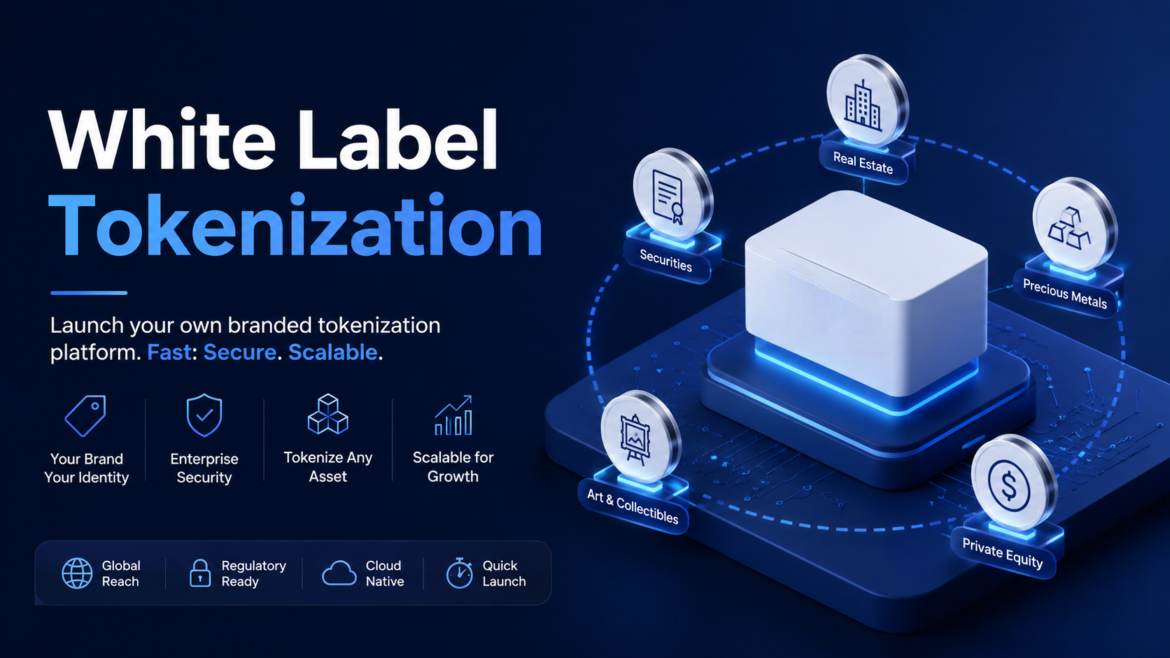
This is where white label real estate tokenization platforms play a critical role. These ready-made solutions allow businesses to launch fully functional tokenization ecosystems under their own brand, reducing time, cost, and technical complexity while maintaining scalability and compliance.
Understanding White Label Real Estate Tokenization Platforms
A white label real estate tokenization platform is a pre-built blockchain-based system that can be customized and branded by a business to launch its own tokenized property investment marketplace.
These platforms typically include:
- Token creation and issuance tools
- Smart contract infrastructure
- Investor onboarding systems
- KYC/AML compliance modules
- Digital wallet integration
- Asset management dashboards
- Secondary trading functionality
- Reporting and analytics systems
Instead of building each component independently, businesses can configure an existing framework to match their operational and branding requirements.
1. Faster Time to Market
One of the most significant advantages of white label real estate tokenization platforms is the ability to launch quickly. Developing a custom real estate tokenization system can take months or even years due to the complexity of blockchain integration, security testing, and compliance implementation. White label solutions dramatically reduce development time by providing a ready-made infrastructure. Businesses can focus on configuration, asset onboarding, and investor engagement rather than core system development. This speed advantage is especially important in competitive markets where early entry can determine long-term positioning.
2. Reduced Development Costs
Building a tokenization platform from the ground up requires substantial investment in:
- Blockchain engineers
- Smart contract developers
- UI/UX designers
- Security auditors
- Compliance experts
- Infrastructure maintenance
White label platforms eliminate much of this upfront development burden by offering a pre-engineered system. This allows businesses to significantly reduce initial capital expenditure while still accessing enterprise-grade technology.
3. Built-In Compliance and Regulatory Support
Real estate tokenization operates in a heavily regulated environment. Businesses must comply with securities laws, investor verification requirements, and anti-money laundering regulations. White label platforms often include integrated compliance features such as:
- KYC (Know Your Customer) verification
- AML (Anti-Money Laundering) screening
- Investor accreditation checks
- Jurisdiction-based access controls
- Automated reporting tools
These built-in systems help businesses reduce legal risks and ensure smoother regulatory alignment from the start.
4. Pre-Tested Smart Contract Infrastructure
Smart contracts form the foundation of tokenized real estate systems. They manage ownership transfers, revenue distribution, investor rights, and compliance enforcement. Developing secure smart contracts independently carries significant risk, as coding errors can lead to financial losses or security breaches. White label platforms typically include pre-tested and audited smart contract modules, reducing the likelihood of vulnerabilities and improving system reliability. This ensures a more stable and secure launch environment.
5. Scalability for Growing Asset Portfolios
As businesses expand their real estate offerings, the underlying platform must support increasing numbers of assets, investors, and transactions. White label solutions are designed with scalability in mind, allowing organizations to:
- Add new properties easily
- Manage multiple asset classes
- Handle growing investor bases
- Support higher transaction volumes
This scalability ensures long-term platform sustainability without requiring major infrastructure redesigns.
6. Enhanced Investor Experience
Investor experience plays a crucial role in the success of tokenized real estate platforms. White label systems typically include user-friendly dashboards that provide:
- Real-time asset performance data
- Portfolio tracking
- Transaction history
- Income distribution updates
- Secondary market access
A streamlined interface improves investor confidence and encourages participation in tokenized assets.
7. Integrated Secondary Market Capabilities
Liquidity is one of the key benefits of real estate tokenization. White label platforms often include secondary trading features that allow investors to buy and sell tokenized property shares more easily. This creates a more dynamic investment environment where capital is not locked for long periods, improving overall market efficiency and attractiveness.
8. Faster Integration with Existing Business Systems
Many real estate companies already use CRM systems, payment gateways, and property management tools. White label platforms often provide APIs and integration capabilities that allow seamless connectivity with existing infrastructure. This reduces operational disruption and simplifies the adoption process across business units
9. Risk Reduction Through Proven Infrastructure
Launching a new blockchain platform involves multiple risks, including:
- Security vulnerabilities
- Regulatory misalignment
- Technical failures
- Performance issues
White label solutions mitigate these risks by offering tested and production-ready systems that have already undergone real-world deployment and optimization. This reduces uncertainty and increases confidence during launch.
10. Focus on Business Growth Instead of Technical Development
Perhaps the most important advantage is strategic focus.
Instead of spending time building complex blockchain systems, businesses can concentrate on:
- Asset acquisition and management
- Investor relationships
- Market expansion
- Revenue generation strategies
- Brand development
This shift allows organizations to prioritize growth and scalability rather than technical execution.
Challenges to Consider
While white label platforms offer many advantages, businesses should still evaluate:
- Vendor reliability and platform security
- Customization limitations
- Long-term scalability requirements
- Regulatory alignment in target jurisdictions
- Data ownership and control structures
Careful selection of the right provider is essential for long-term success.
Future of White Label Tokenization Platforms
As tokenized real estate markets continue to expand, white label solutions are expected to become a standard entry point for businesses entering the space.
Future platforms may include:
- AI-driven asset valuation tools
- Cross-chain interoperability
- Advanced DeFi integration
- Automated compliance engines
- Global investor marketplaces
These enhancements will further simplify platform deployment and accelerate adoption of tokenized real estate ecosystems.
Conclusion
White label real estate tokenization platforms provide a practical and efficient pathway for businesses to enter the digital asset market. By offering pre-built infrastructure, integrated compliance systems, secure smart contracts, and scalable architecture, these platforms significantly reduce development time, cost, and operational risk. For organizations looking to launch quickly and compete in the growing tokenized real estate sector, white label solutions offer a strategic advantage by enabling faster market entry while maintaining security, compliance, and investor experience standards.
