
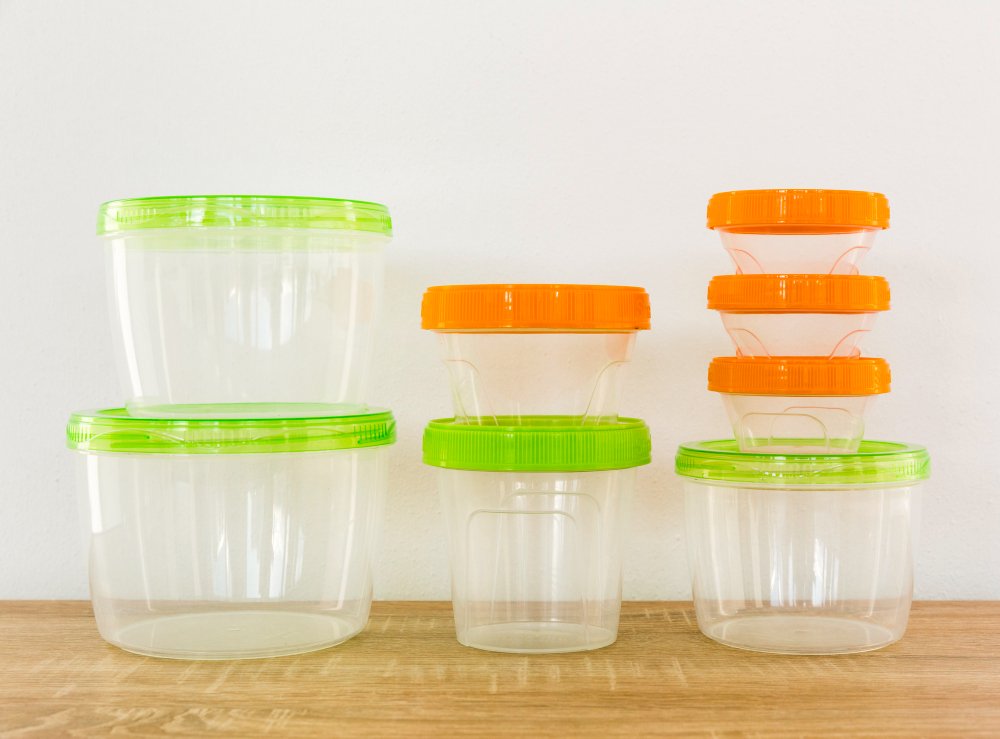
Managing kitchen leftovers correctly keeps your family healthy and extends the lifespan of your kitchen tools. Using a quality plastic food container with lids prevents early spoilage and protects ingredients from external bacteria. Many households make simple errors during the washing, heating, and storing processes daily.
Recognizing these common missteps preserves your food flavor and prevents structural kitchen damage over time. Exposing thin polymer boxes to high heat sources causes fast material degradation. This action warps the shape of the box.
It also ruins the airtight sealing ability. Using damaged kitchenware compromises the safety of your stored home-cooked meals.
Heating Incompatible Polymers in the Microwave
Many people assume that every kitchen box can handle high heat levels safely. Placing non-microwaveable boxes into heating appliances softens the material and ruins its structural shape. The extreme heat alters the fit between the top seal and the bottom base.
This deformation leaves small gaps that let outside air enter the compartment later. Warped borders stop the locking tabs from snapping into their proper places. You lose the airtight barrier needed to keep soups and sauces fresh during storage.
Always check the bottom of the item for the specific microwave-safe symbol before heating. This quick inspection saves your dishes from melting and spilling inside the machine. Hot oily foods cause rapid surface damage to thin polymer walls during reheating cycles.
Tomato sauces and greasy meats leave permanent white rings and rough textures inside the box. Heat the food in glass bowls instead to protect your utility storage items.
Closing Lids Tightly on Scorching Hot Food
Trapping steaming hot meals inside a sealed box creates a strong internal vacuum. The hot air cools down quickly and contracts inside the closed polymer compartment. This suction pulls the flexible top piece downward and distorts the sealing rim permanently.
It makes the top piece difficult to remove without tearing the tabs apart. Steam condensation turns into liquid water drops on the underside of the top cover. This moisture drips back down onto your fresh rice or crispy fried meats.
Excess water accelerates mold growth and makes your dishes soft and unappealing to eat. Allow hot meals to cool down completely on the counter before attaching the cover. Letting steam escape naturally keeps the internal humidity levels balanced for long-term storage.
It stops the food from cooking further inside the closed box. This cooling step preserves the original texture of your cooked vegetables and proteins.
Using Harsh Scrubbers and Abrasive Cleaners
Cleaning greasy food residues sometimes requires deep scrubbing with kitchen sponges. Using stiff wire brushes or rough green pads scratches plastic surfaces easily. These tiny scratches ruin the glossy look of your clear storage items over time.
They create deep microscopic grooves where bacteria and food odors gather permanently. Scratched walls trap orange oil stains from pasta sauces and chili seasonings. Regular dish soap cannot reach deep into these tiny surface tears during standard hand washing.
The box retains a stale food smell even after a thorough cleaning cycle. Use soft yellow foam sponges and mild liquid soaps to maintain smooth walls. Soak oily boxes in warm soapy water for twenty minutes before wiping them down.
This soaking lifts stubborn grease without the need for rough physical scrubbing actions. Gentle care keeps the clear material looking new and bright for years.
Cleaning Storage Sealing Rings Incorrectly
Many advanced storage models feature removable rubber or silicone rings inside the top piece. These rings provide the tight seal needed to stop liquid leaks during transport. A common mistake involves ignoring this rubber track during regular dishwashing routines.
Food juices and stray drops of water slide into the hidden groove easily. Trapped moisture builds up black mold spots inside the dark lid channel over several weeks. This mold contaminates the fresh food whenever you close the storage box tightly.
Remove the flexible rubber strip carefully once a week to clean the channel underneath. Use a soft toothbrush to clear away hidden crumbs and dark spots. Dry the rubber strip completely before stretching it back into the plastic channel layout.
Trapping water inside the track causes the material to rot and lose its elasticity. A dry seal prevents bacterial growth and maintains a tight closing lock.
Stacking Mismatched Tops and Bottoms
Tossing random kitchen covers into a single deep drawer creates massive organizational chaos. Homeowners waste valuable time searching for matching parts while preparing daily work lunches. Forcing an incorrect cover onto a body piece breaks the locking clips and ruins the seal.
This mismatch leads to accidental leaks inside your backpack or gym bag. Store matching sets together with the covers loosely attached to their specific bases. This habit ensures that you always have a complete working unit ready for use.
It prevents the accumulation of single useless parts that take up pantry space. Organized cabinets make kitchen work faster and less frustrating for busy families. Throw away old warped parts that no longer fit together tightly.
Keeping broken items reduces your available storage area and causes confusion during meal prep. Clear out old inventory to make room for reliable utility tools.
Key Takeaway
Avoiding common kitchen errors relies on checking material labels and cleaning hidden tracks properly. Using a quality plastic food container with lids involves protecting the material from extreme heat and rough scratch damage. Focus on gentle cleaning methods to prevent the buildup of stale food odors and mold.
Invest in proper organization habits to keep your home kitchen safe and efficient. This focus saves you money on replacement tools while protecting your family meals. Maintain your kitchenware correctly to get the best daily value from your home investments.
