
Introduction
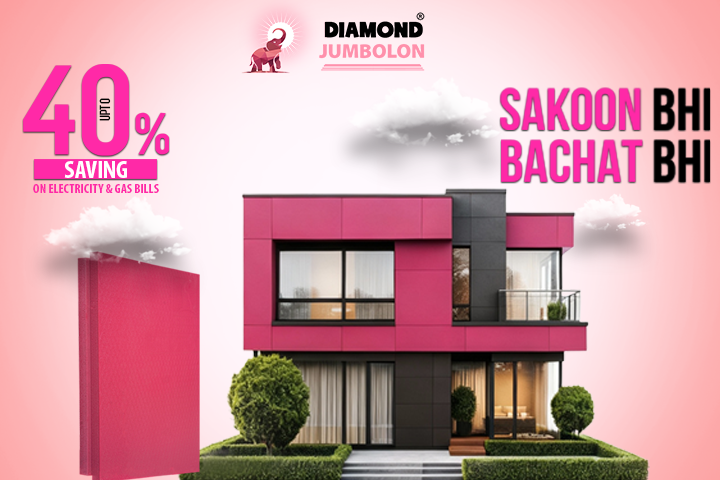
Roof Heat Insulation is one of the most effective ways to improve indoor comfort, reduce heat transfer, and lower energy costs in residential and commercial buildings. In many homes, the roof is one of the main areas where heat enters during summer and escapes during colder months. Without proper insulation, indoor temperatures can become difficult to control, forcing cooling and heating systems to work harder. By investing in quality insulation, homeowners can create a more comfortable living space while improving long-term energy efficiency.
Why Home Insulation Matters
Energy efficiency has become a major priority for modern households. Rising electricity and heating costs have encouraged many people to look for practical methods to reduce energy waste. Insulation plays a key role in this process because it helps maintain a stable indoor temperature. Instead of depending heavily on air conditioners, fans, heaters, or boilers, a well-insulated home naturally controls heat movement and reduces unnecessary energy use.
Improved Indoor Comfort
One of the biggest benefits of insulation is improved comfort. During hot weather, rooms under an uninsulated roof can become extremely warm, especially in the afternoon. This is common in top-floor rooms, loft spaces, and buildings exposed to direct sunlight. Proper insulation helps block a large amount of radiant heat, keeping rooms cooler and more pleasant. In colder weather, insulation helps retain warmth inside the property, making living spaces more comfortable throughout the day.
Lower Energy Consumption
Another important benefit is reduced energy consumption. When less heat enters or escapes from the building, cooling and heating systems do not need to run as frequently. This can help lower monthly energy bills and reduce wear on appliances. Over time, the savings from improved insulation can make the initial investment worthwhile. For families and businesses looking to manage their expenses, insulation is a practical and long-term solution.
Why Roof Insulation Is Important
Roof insulation is especially useful for homes in areas with extreme temperatures. Buildings with poorly insulated roofs often suffer from uneven indoor temperatures, where some rooms feel too hot while others remain cooler. This imbalance can make daily living uncomfortable and increase the use of electrical appliances. A properly insulated roof helps create a more balanced indoor environment and improves the overall performance of the building.
Common Insulation Materials
There are several types of insulation materials available, and the best option depends on the property structure, climate, and budget. Common materials include fibreglass, mineral wool, reflective insulation, rigid foam boards, spray foam, and insulated panels. Reflective insulation is often used in hot climates because it helps reflect radiant heat away from the roof surface. Foam boards and mineral wool are popular for their thermal resistance and durability.
Importance of Professional Installation
Professional installation is important for achieving the best results. Even high-quality insulation materials may perform poorly if they are installed incorrectly. Gaps, compression, moisture problems, and poor sealing can reduce effectiveness. A trained insulation specialist can inspect the property, identify weak areas, recommend suitable materials, and install them properly. This ensures that the insulation performs well and lasts longer.
Environmental Benefits of Insulation
Insulation also supports environmental sustainability. Homes that use less energy place lower demand on power generation systems, which can help reduce carbon emissions. For homeowners who want to make their property more eco-friendly, insulation is one of the most practical improvements. It does not require major lifestyle changes, yet it can have a noticeable impact on energy efficiency.
Complete Home Energy Efficiency
In addition to roof insulation, homeowners should also consider other areas where heat may be lost or gained. Walls, floors, windows, doors, lofts, and water heating systems can all affect energy performance. A whole-home insulation approach provides better results than focusing on only one area. For example, sealing draughts around doors and windows can support the benefits of roof insulation and improve comfort.
Hot Water System Efficiency
Water heating is another major part of household energy use. Many homes rely on hot water for bathing, cleaning, washing, and daily routines. If the hot water system is not properly insulated, heat can escape from the cylinder, pipes, or storage area. This means the system must use more energy to keep water warm. By reducing heat loss, homeowners can improve efficiency and lower heating costs.
Maintenance for Long-Term Performance
Maintenance also plays a role in long-term insulation performance. Roofs should be checked regularly for leaks, cracks, damaged tiles, or moisture issues. Water damage can affect insulation materials and reduce their ability to control heat transfer. Keeping the roof and surrounding areas in good condition helps protect the insulation and maintain energy savings over time.
Choosing the Right Insulation Solution
Before choosing an insulation solution, homeowners should compare available options and consider professional advice. Factors such as roof type, building age, ventilation, moisture levels, and local weather conditions should be reviewed. The cheapest material is not always the best choice. A reliable insulation system should offer durability, thermal performance, safety, and long-term value.
Final Thoughts
In conclusion, insulation is a smart investment for anyone who wants to improve comfort, reduce energy bills, and make their home more efficient. A properly insulated roof can help control indoor temperatures, reduce pressure on heating and cooling systems, and create a healthier living environment. When combined with other energy-saving improvements, insulation can deliver lasting benefits for both homeowners and the environment. For better overall energy performance, homeowners should also consider Insulating Hot Water Cylinder as part of a complete home insulation plan.
