
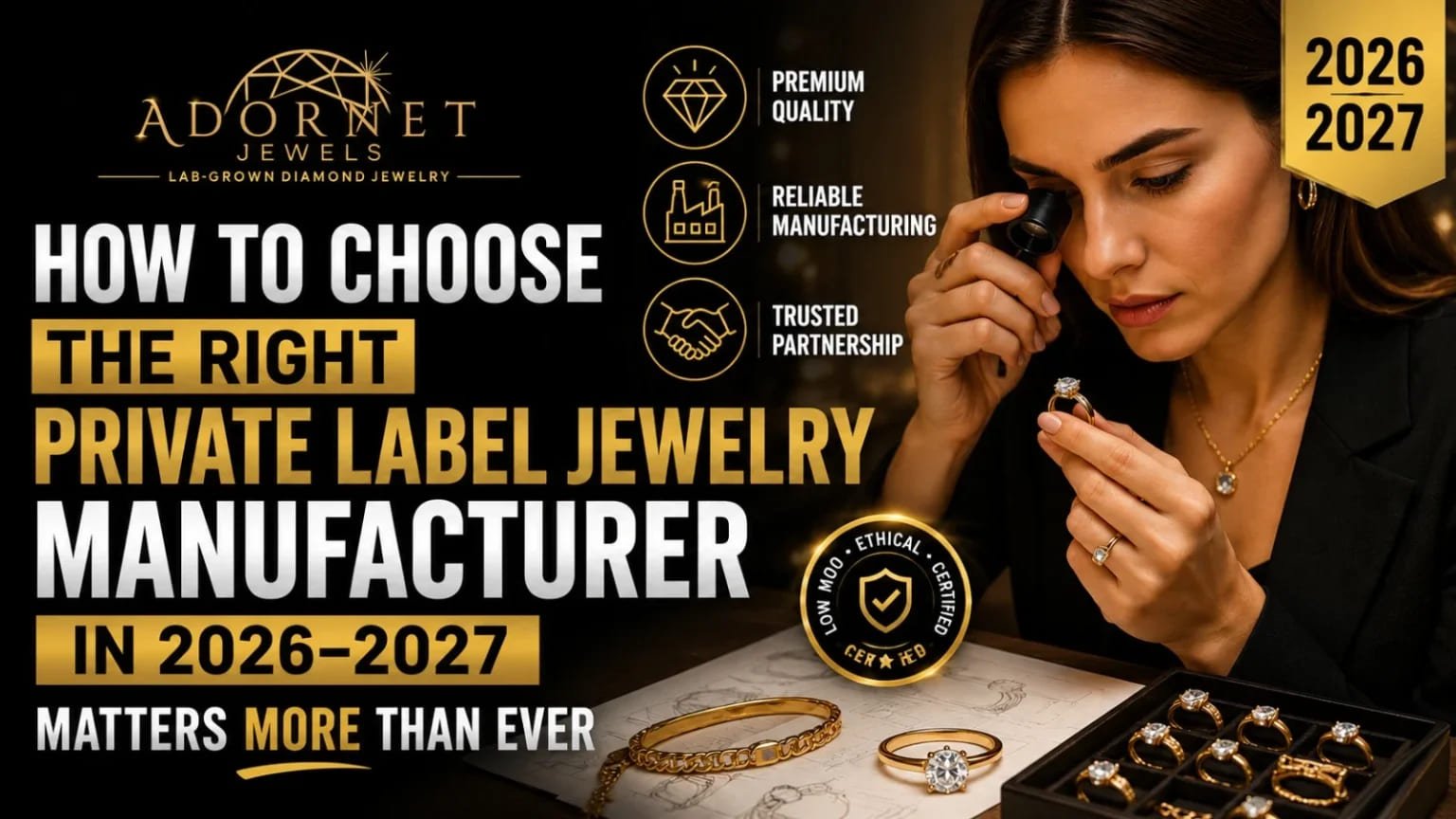
Jewelry Private Label: A Beginner’s Guide for Entrepreneurs – Adornet Jewels
Starting a jewelry business has never been more exciting. With online shopping growing rapidly and customers looking for unique designs, entrepreneurs now have countless opportunities to build their own jewelry brands. One of the smartest ways to enter the market without investing heavily in manufacturing facilities is through jewelry private label services.
Imagine building a house without having to make the bricks yourself. That’s exactly how private label jewelry works. You focus on branding, marketing, and customer relationships while experienced manufacturers handle production. This business model allows entrepreneurs to launch collections quickly, reduce risk, and establish a recognizable brand in a competitive market.
Whether you’re planning to start a new venture, expand an existing fashion business, or explore opportunities with wholesale jewelry manufacturers usa, this guide will walk you through everything you need to know.
Learn jewelry private label strategies, private jewellery branding, and how wholesale jewelry manufacturers usa help entrepreneurs build successful brands.
What Is Jewelry Private Label?
Jewelry private label refers to a business arrangement where a manufacturer creates jewelry products that are sold under your own brand name. Instead of producing jewelry yourself, you partner with a manufacturer that already has the expertise, equipment, and production capabilities.
The manufacturer creates the jewelry, but your customers see your brand on the products, packaging, and marketing materials. This allows entrepreneurs to establish a professional jewelry brand without the significant costs associated with setting up a manufacturing facility.
Private labeling is commonly used for rings, necklaces, earrings, bracelets, gemstone jewelry, and diamond jewelry. It provides flexibility while helping businesses focus on growth and customer acquisition.
Why Entrepreneurs Choose Private Label Jewelry
Many new business owners choose private label jewelry because it lowers the barriers to entry.
Key reasons include:
- Lower startup costs
- Faster product launches
- Reduced operational complexity
- Access to manufacturing expertise
- Ability to focus on branding and sales
Instead of spending years learning jewelry production, entrepreneurs can concentrate on building a strong brand identity and attracting customers.
This approach is particularly attractive for online retailers, boutique owners, fashion influencers, and entrepreneurs seeking scalable business opportunities.
How the Jewelry Private Label Model Works
Product Selection
You begin by selecting jewelry designs from a manufacturer’s catalog or creating customized designs.
Brand Customization
Your logo, brand name, and packaging are incorporated into the products.
Manufacturing
The manufacturer produces the jewelry according to agreed specifications.
Quality Control
Products undergo inspections to ensure they meet quality standards.
Delivery
Finished products are shipped to your business or fulfillment center.
This streamlined process allows entrepreneurs to focus on selling while manufacturers handle production.
Benefits of Private Jewellery Branding
Building a brand creates long-term value. Unlike selling generic products, private jewellery branding helps establish customer trust and loyalty.
Brand Recognition
Customers remember unique brands more easily than generic products.
Higher Profit Margins
Branded jewelry often commands premium pricing.
Customer Loyalty
Satisfied customers are more likely to return when they recognize your brand.
Competitive Advantage
A strong brand differentiates you from countless competitors in the market.
When customers connect emotionally with your brand story, they become advocates who recommend your products to others.
Understanding Your Target Market
Successful jewelry businesses understand their customers.
Ask yourself:
- Who are your ideal buyers?
- What age group are they?
- What is their budget?
- What jewelry styles do they prefer?
Popular Customer Segments
Fashion-Conscious Consumers
Interested in trendy and affordable pieces.
Luxury Buyers
Seek premium materials and exclusive designs.
Gift Shoppers
Purchase jewelry for birthdays, anniversaries, and special occasions.
Bridal Customers
Require engagement rings, wedding jewelry, and bridal accessories.
Understanding these groups helps guide product development and marketing strategies.
Choosing the Right Jewelry Products
Product selection can significantly impact your success.
Necklaces
Popular across multiple demographics and easy to customize.
Earrings
Consistently high demand with various style options.
Bracelets
Versatile and suitable for casual and formal wear.
Rings
Offer strong emotional value and gift appeal.
Gemstone Jewelry
Appeals to customers seeking unique and colorful designs.
Diamond Jewelry
Often generates higher average order values.
A balanced product range can help attract a broader customer base while minimizing risk.
Working with Wholesale Jewelry Manufacturers USA
Choosing the right manufacturing partner is one of the most important decisions you’ll make.
Many entrepreneurs prefer wholesale jewelry manufacturers usa because they often provide:
- Reliable communication
- Faster shipping times
- Consistent quality standards
- Easier compliance with regulations
- Better customer support
Factors to Evaluate
Manufacturing Experience
Look for companies with a proven track record.
Customization Capabilities
Ensure they can support your branding requirements.
Quality Assurance
Ask about testing procedures and certifications.
Minimum Order Quantities
Choose a manufacturer whose requirements align with your budget.
Production Capacity
Verify they can accommodate future growth.
Strong manufacturer relationships often become a major competitive advantage.
Designing Your Private Label Collection
Design is where your brand personality comes to life.
Create a Unique Identity
Develop a clear design direction that reflects your brand values.
Follow Market Trends
Stay informed about emerging jewelry styles.
Balance Trendy and Timeless Pieces
While trends attract attention, classic designs often generate long-term sales.
Focus on Quality
Customers notice craftsmanship and durability.
The most successful jewelry brands create collections that feel cohesive while offering variety.
Branding and Packaging Essentials
Packaging is often the first physical interaction customers have with your brand.
Custom Jewelry Boxes
Premium packaging enhances perceived value.
Branded Inserts
Include thank-you cards and care instructions.
Logo Placement
Ensure branding is visible and professional.
Unboxing Experience
A memorable unboxing experience encourages social sharing and customer loyalty.
Think of packaging as your silent salesperson. Even before customers wear the jewelry, packaging communicates quality and professionalism.
Pricing Strategies for Profitability
Pricing affects both profitability and customer perception.
Cost-Based Pricing
Calculate all expenses and add a target profit margin.
Competitive Pricing
Research market prices for similar products.
Value-Based Pricing
Price products according to perceived value rather than cost alone.
Tiered Product Lines
Offer multiple price points to reach different customer segments.
A strategic pricing approach helps maximize revenue while maintaining competitiveness.
Marketing Your Jewelry Brand
Even exceptional products require effective marketing.
Social Media Marketing
Platforms like Instagram and Pinterest are ideal for showcasing jewelry.
Influencer Collaborations
Partner with creators who align with your brand values.
Content Marketing
Publish blogs, styling tips, and educational content.
Email Marketing
Build relationships and encourage repeat purchases.
Search Engine Optimization
Optimize your website for keywords such as jewelry private label, private jewellery, and wholesale jewelry manufacturers usa.
Consistent marketing efforts help establish brand awareness and drive sales.
Common Challenges and Solutions
Every business faces obstacles, but preparation makes a difference.
Inventory Management
Start with manageable quantities and monitor sales trends.
Market Competition
Differentiate through branding, design, and customer service.
Quality Control
Conduct regular product inspections and maintain clear standards.
Customer Trust
Provide transparent policies and excellent support.
Addressing these challenges proactively strengthens your business foundation.
Scaling Your Jewelry Business
Growth requires planning and strategic execution.
Expand Product Categories
Introduce complementary collections.
Enter New Markets
Explore domestic and international opportunities.
Improve Automation
Use software for inventory, marketing, and customer management.
Strengthen Partnerships
Build long-term relationships with suppliers and distributors.
Successful scaling is about creating systems that support sustainable growth.
Future Trends in Private Label Jewelry
The jewelry industry continues to evolve.
Sustainable Jewelry
Consumers increasingly prefer ethical sourcing and eco-friendly practices.
Personalized Products
Custom engravings and unique designs remain popular.
Lab-Grown Diamonds
Demand continues to rise due to affordability and sustainability benefits.
Technology Integration
Virtual try-ons and AI-powered recommendations enhance customer experiences.
Entrepreneurs who adapt to changing trends position themselves for long-term success.
Why Adornet Jewels Is a Trusted Partner
For entrepreneurs entering the private label jewelry market, choosing the right partner can make a significant difference.
Adornet Jewels focuses on helping businesses build strong jewelry brands through quality craftsmanship, customization options, and professional support. Whether you’re launching your first collection or expanding an established brand, working with an experienced private label partner can simplify operations and accelerate growth.
From custom jewelry design to branded packaging and manufacturing support, Adornet Jewels aims to help entrepreneurs transform their ideas into market-ready collections.
Conclusion
The jewelry private label business model offers entrepreneurs an efficient path into the thriving jewelry industry. By leveraging experienced manufacturers, businesses can focus on building brands, attracting customers, and driving sales without the complexities of production management.
Whether you’re exploring private jewellery opportunities or searching for reliable wholesale jewelry manufacturers usa, success ultimately depends on choosing the right partners, understanding your customers, and maintaining consistent quality. With careful planning and a strong brand strategy, a private label jewelry business can become a rewarding and profitable venture.
FAQs
1. What is jewelry private label?
Jewelry private label is a business model where manufacturers produce jewelry that is sold under another company’s brand name.
2. Is private label jewelry profitable?
Yes, private label jewelry can be highly profitable because entrepreneurs can focus on branding, marketing, and customer relationships while leveraging existing manufacturing expertise.
3. How do I find wholesale jewelry manufacturers USA?
Research manufacturers online, attend industry trade shows, request samples, verify certifications, and review customer testimonials before making a decision.
4. What is the difference between private label and custom jewelry manufacturing?
Private label typically uses existing manufacturing capabilities with your branding, while custom manufacturing often involves creating entirely unique designs from scratch.
5. How much investment is needed to start a private label jewelry business?
Investment requirements vary depending on product selection, order quantities, branding needs, and marketing efforts. Many entrepreneurs begin with relatively modest budgets compared to establishing their own manufacturing facilities.
