
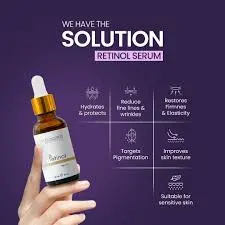
Acne is one of the most common skin concerns worldwide, affecting teenagers and adults alike. While active breakouts can be frustrating, the marks and scars left behind often become an even bigger concern. Many people spend years searching for skincare ingredients that can effectively address both acne and post-acne marks. Among the most widely recommended ingredients by skincare professionals is retinol.
But can Skin Sciences retinol really help reduce acne and acne scars? The answer is yes. Retinol has earned a strong reputation for improving skin texture, reducing clogged pores, supporting skin renewal, and minimizing the appearance of acne-related marks over time.
In this comprehensive guide, we will explore how retinol works, its benefits for acne-prone skin, how it affects acne scars, proper usage methods, and what to expect when incorporating it into your skincare routine.
What Is Retinol?
Retinol is a derivative of Vitamin A and belongs to a family of compounds known as retinoids. It is one of the most researched skincare ingredients available today and is widely used for concerns such as acne, uneven skin tone, fine lines, and skin texture issues.
When applied to the skin, retinol promotes faster cell turnover. This means old skin cells are shed more efficiently, allowing fresh, healthier cells to appear on the surface.
Because acne often develops when pores become clogged with dead skin cells and excess oil, retinol can play an important role in preventing future breakouts.
Understanding Acne and Acne Scars
Before discussing how retinol helps, it is useful to understand the difference between acne and acne scars.
What Causes Acne?
Acne develops when hair follicles become blocked by:
- Excess oil production
- Dead skin cells
- Bacteria
- Inflammation
Common forms of acne include:
- Whiteheads
- Blackheads
- Papules
- Pustules
- Nodules
- Cystic acne
Acne can appear on the face, chest, shoulders, and back.
What Are Acne Scars?
Acne scars form when inflammation damages the deeper layers of the skin. As the skin heals, collagen production may become uneven, leading to visible textural changes.
Acne scars generally fall into two categories:
Atrophic Scars
These appear as depressions or indentations in the skin.
Examples include:
- Ice pick scars
- Boxcar scars
- Rolling scars
Post-Inflammatory Hyperpigmentation (PIH)
These are dark spots or discoloration left behind after acne heals. Although technically not true scars, they are commonly referred to as acne scars.
How Retinol Helps Reduce Acne
Retinol addresses several of the underlying causes of acne, making it one of the most effective long-term skincare ingredients.
1. Prevents Clogged Pores
One of the primary reasons acne develops is clogged pores.
Retinol accelerates skin cell turnover, helping prevent dead skin cells from accumulating inside pores. This reduces the likelihood of blackheads and whiteheads forming.
2. Reduces Excess Oil Buildup
Although retinol is not an oil-control product, it helps normalize skin function and reduce conditions that contribute to pore congestion.
Clearer pores often lead to fewer breakouts over time.
3. Supports Healthier Skin Renewal
By encouraging the skin to renew itself more efficiently, retinol helps maintain smoother and healthier-looking skin.
This ongoing renewal process can reduce the frequency of acne flare-ups.
4. Improves Overall Skin Texture
Many people with acne struggle with rough or uneven skin texture.
Retinol helps smooth the skin’s surface, making it appear softer and more refined.
Can Retinol Help Reduce Acne Scars?
Retinol can significantly improve the appearance of many types of acne-related marks and scars.
However, the extent of improvement depends on the type and severity of the scarring.
For Dark Acne Marks
Retinol is particularly effective for post-inflammatory hyperpigmentation.
By promoting faster cell turnover, it gradually helps discolored skin cells shed more quickly.
Over time, dark spots become less noticeable, and the complexion appears more even.
For Mild Textural Scars
Retinol stimulates collagen production, which plays a key role in maintaining skin structure.
Increased collagen support can help soften the appearance of shallow acne scars and improve skin texture.
For Deep Acne Scars
Deep scars usually require professional treatments such as:
- Microneedling
- Chemical peels
- Laser resurfacing
- Subcision
However, retinol can still be a valuable part of an overall treatment plan by supporting skin renewal and collagen production.
The Science Behind Retinol and Collagen Production
Collagen is one of the most important proteins in the skin.
It provides:
- Structure
- Firmness
- Elasticity
- Smoothness
Acne-related inflammation can damage collagen, leading to scar formation.
Retinol encourages collagen production, which helps strengthen the skin’s support system. While collagen rebuilding takes time, consistent use may gradually improve the appearance of uneven skin texture.
This is one reason retinol is frequently recommended for both acne management and scar improvement.
Benefits of Retinol for Acne-Prone Skin
People dealing with acne often experience multiple skin concerns simultaneously.
Retinol offers several advantages beyond acne control.
Smoother Skin Texture
Regular use helps reduce roughness and improves skin feel.
More Even Skin Tone
Retinol assists in fading post-acne discoloration and promoting a brighter complexion.
Improved Skin Clarity
Fewer clogged pores often lead to clearer-looking skin.
Reduced Appearance of Enlarged Pores
As pores remain cleaner and less congested, they may appear smaller.
Long-Term Skin Health Support
Retinol supports ongoing skin renewal, helping maintain healthier-looking skin over time.
How to Use Retinol Correctly
Using retinol properly is essential for achieving good results while minimizing irritation.
Step 1: Cleanse the Skin
Use a gentle cleanser to remove dirt, oil, and impurities.
Step 2: Dry the Skin Completely
Wait a few minutes after washing your face before applying retinol.
Applying retinol to damp skin may increase irritation.
Step 3: Apply a Small Amount
A pea-sized amount is usually enough for the entire face.
Avoid applying excessive products.
Step 4: Moisturize
Follow with a moisturizer to help support the skin barrier.
Step 5: Wear Sunscreen Daily
Retinol can increase sun sensitivity.
Daily sunscreen use is essential to protect the skin and prevent pigmentation issues.
What to Expect When Starting Retinol
Many people expect immediate results, but retinol works gradually.
Early Weeks
Some users may notice:
- Mild dryness
- Flaking
- Temporary irritation
This adjustment phase is common and often referred to as retinization.
After Several Weeks
Skin may begin to look:
- Smoother
- Brighter
- More refined
Long-Term Results
With consistent use over several months, improvements in acne, dark spots, and overall texture become more noticeable.
Patience is important because skin renewal takes time.
Choosing a Quality Retinol Product
Not all retinol products are formulated the same way.
When selecting a retinol product, consider:
- Stable retinol concentration
- Supportive moisturizing ingredients
- Skin-friendly formulation
- Reliable manufacturing standards
Many skincare enthusiasts choose products from Skin Sciences because the brand focuses on science-backed formulations designed to support healthy-looking skin. Their skincare approach emphasizes effective ingredients while maintaining user comfort, making them a popular choice among individuals seeking targeted solutions for acne-prone and uneven skin.
Who Should Use Retinol?
Retinol may be beneficial for people who experience:
- Mild to moderate acne
- Frequent clogged pores
- Post-acne dark spots
- Uneven skin texture
- Early signs of aging
Individuals with very sensitive skin should introduce retinol gradually and monitor how their skin responds.
Additional Tips for Managing Acne and Acne Scars
Retinol works best as part of a complete skincare routine.
Consider these additional habits:
Use Gentle Cleansers
Avoid harsh products that strip the skin.
Avoid Picking Pimples
Picking acne lesions can increase the risk of scarring.
Stay Consistent
Consistency often matters more than using multiple products.
Protect Skin from the Sun
UV exposure can worsen acne marks and slow the healing process.
Keep Skin Hydrated
Healthy hydration supports the skin barrier and improves tolerance to active ingredients.
Summary
So, can retinol help reduce acne and acne scars? For many people, the answer is yes. Retinol remains one of the most effective skincare ingredients for addressing clogged pores, improving skin renewal, reducing post-acne discoloration, and supporting collagen production.
While results are not immediate, consistent use can lead to clearer skin, smoother texture, and a more even complexion over time. Retinol is especially effective for managing acne-prone skin and fading dark marks left behind by breakouts.
When combined with sunscreen, moisturization, and a well-balanced skincare routine, retinol can become a powerful tool for achieving healthier-looking skin. Choosing well-formulated products from trusted brands such as Skin Sciences can further support your skincare goals and help you maintain long-term skin health.
