
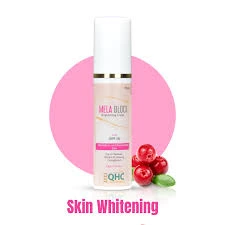
Melasma is one of the most common skin pigmentation concerns among women in Pakistan. It appears as dark brown, grayish-brown, or patchy discoloration on the face, particularly on the cheeks, forehead, nose, and upper lip. While melasma is not harmful, it can affect confidence and make achieving an even skin tone more challenging.
Due to Pakistan’s hot climate and strong sun exposure, many women experience stubborn pigmentation that becomes darker over time. As a result, there is growing interest in finding safe QHC Whitening Creams that can help reduce the appearance of melasma without damaging the skin.
This article explains why melasma occurs in Pakistani women, how it can be managed, and which ingredients to look for when choosing a safe whitening cream. We will also discuss the benefits of using quality skincare products and why trusted brands such as qhc are becoming a preferred choice for many individuals dealing with pigmentation concerns.
What Is Melasma?
Melasma is a skin condition characterized by patches of increased pigmentation. These patches usually develop in areas frequently exposed to sunlight.
The condition occurs when melanocytes, the cells responsible for producing melanin, become overactive. Excess melanin production leads to visible dark patches that may gradually become more noticeable.
Although melasma can affect anyone, it is particularly common among women due to hormonal fluctuations and environmental factors.
Why Is Melasma Common in Pakistani Women?
Several factors contribute to the high prevalence of melasma among Pakistani women.
1. Intense Sun Exposure
Pakistan experiences strong sunlight throughout most of the year. Ultraviolet (UV) rays stimulate melanin production, which can worsen existing pigmentation and trigger new dark patches.
Even short periods of daily sun exposure can contribute to melasma development if proper sun protection is not used.
2. Hormonal Changes
Hormonal fluctuations play a major role in melasma. Pregnancy, birth control pills, and hormonal imbalances can increase melanin production, leading to pigmentation issues.
This is why melasma is sometimes referred to as the “mask of pregnancy.”
3. Genetic Factors
Many women have a genetic predisposition to melasma. If close family members have experienced pigmentation issues, there may be a higher likelihood of developing the condition.
4. Heat and Environmental Stress
High temperatures can stimulate pigment-producing cells. Combined with pollution and environmental stressors, heat may contribute to worsening pigmentation.
5. Improper Skincare Products
Using harsh creams containing unsafe bleaching agents or excessive exfoliating ingredients can irritate the skin and worsen pigmentation over time.
Common Symptoms of Melasma
Melasma usually presents with:
- Brown or grayish-brown patches on the face
- Symmetrical pigmentation on both sides of the face
- Darkening after sun exposure
- Uneven skin tone
- Pigmentation around the cheeks, forehead, chin, and upper lip
The condition is generally painless and does not cause itching or discomfort.
Can Whitening Creams Help with Melasma?
Yes, safe whitening creams can help reduce the appearance of melasma when used consistently and correctly.
It is important to understand that whitening creams do not permanently eliminate melasma. Instead, they help regulate melanin production, improve skin tone, and gradually fade dark patches.
The best results are achieved when whitening creams are combined with sunscreen, a proper skincare routine, and sun protection measures.
Safe Ingredients to Look for in Whitening Creams
When choosing a whitening cream for melasma, ingredients matter more than marketing claims.
Alpha Arbutin
Alpha Arbutin is one of the most popular ingredients for reducing pigmentation. It helps inhibit melanin production and promotes a brighter, more even complexion.
Benefits:
- Helps fade dark spots
- Supports an even skin tone
- Suitable for long-term use
Niacinamide (Vitamin B3)
Niacinamide is a versatile skincare ingredient known for its brightening and skin-strengthening properties.
Benefits:
- Reduces uneven pigmentation
- Supports the skin barrier
- Improves overall skin texture
Kojic Acid
Kojic Acid helps reduce excess melanin production and is commonly used in pigmentation-focused skincare products.
Benefits:
- Helps lighten stubborn patches
- Promotes a brighter appearance
- Complements other brightening ingredients
Vitamin C
Vitamin C is a powerful antioxidant that supports skin radiance and protects against environmental damage.
Benefits:
- Brightens dull skin
- Supports collagen production
- Helps reduce pigmentation over time
Glutathione
Glutathione is known for its antioxidant properties and ability to support a more balanced skin tone.
Benefits:
- Helps reduce oxidative stress
- Supports brighter-looking skin
- Works well alongside other brightening ingredients
Ingredients to Avoid in Whitening Creams
Not all whitening creams are safe. Some products contain ingredients that may cause long-term skin damage.
Avoid products containing:
- Unregulated mercury compounds
- Excessively high steroid content
- Unknown bleaching chemicals
- Products without proper ingredient labeling
Using unsafe whitening creams can lead to skin thinning, irritation, sensitivity, and worsening pigmentation.
Key Benefits of Using Safe Whitening Creams for Melasma
Choosing a high-quality whitening cream can provide several benefits.
Helps Fade Dark Patches
Active ingredients target excess pigmentation and gradually reduce the visibility of melasma.
Improves Skin Tone
Regular use promotes a smoother and more even complexion.
Supports Skin Health
Modern formulations often include moisturizing and protective ingredients that support overall skin wellness.
Enhances Skin Radiance
Brightening ingredients help restore a healthy glow to dull and uneven skin.
Reduces Future Pigmentation Risk
When paired with sunscreen, whitening creams can help prevent pigmentation from becoming more pronounced.
How to Use Whitening Creams for Melasma
Proper application plays a major role in achieving the best results.
1: Cleanse Your Face
Start with a gentle cleanser to remove dirt, oil, and impurities.
2: Pat Skin Dry
Use a soft towel and avoid rubbing the skin aggressively.
3: Apply a Small Amount
Take a pea-sized amount of whitening cream and apply it evenly to affected areas.
4: Follow With Moisturizer
A moisturizer helps maintain hydration and supports the skin barrier.
5: Use Sunscreen Every Morning
Sun protection is essential when treating melasma. Apply a broad-spectrum sunscreen daily, even on cloudy days.
Consistency is important. Visible improvements often require several weeks of regular use.
Why Choose for Pigmentation Care?
When selecting skincare products for melasma, quality and ingredient transparency should always be priorities. qhc focuses on skincare solutions designed to address common concerns such as uneven skin tone, dullness, and pigmentation.
Many consumers prefer qhc products because they are formulated with carefully selected ingredients that support healthier-looking skin while remaining suitable for daily use. Rather than relying on harsh bleaching agents, the brand emphasizes ingredients that help improve skin appearance gradually and safely.
For individuals seeking a skincare routine that supports brighter and more balanced-looking skin, qhc offers products developed with both effectiveness and skin comfort in mind.
Additional Tips for Managing Melasma
While whitening creams can be beneficial, lifestyle habits also play an important role.
Wear Sunscreen Daily
Sun exposure is one of the biggest triggers of melasma.
Use Protective Clothing
Hats, scarves, and sunglasses provide additional protection.
Avoid Excessive Heat Exposure
High temperatures can worsen pigmentation in some individuals.
Follow a Consistent Routine
Frequent product switching can irritate the skin and slow progress.
Stay Hydrated
Proper hydration supports overall skin health.
Choose Gentle Skincare Products
Avoid harsh scrubs and irritating treatments that may trigger inflammation.
Why Safe Treatment Matters
Many people are tempted by products that promise instant whitening results. However, rapid whitening claims are often associated with harsh ingredients that can damage the skin.
Safe whitening creams focus on gradual improvement through scientifically supported ingredients. This approach helps maintain skin health while reducing pigmentation in a more sustainable manner.
Healthy, even-toned skin should always be the goal rather than aggressive bleaching treatments that may compromise the skin barrier.
Summary
Melasma is a common concern among Pakistani women due to factors such as sun exposure, hormonal changes, genetics, and environmental stress. While the condition can be stubborn, it can often be managed effectively with the right skincare approach.
Safe whitening creams containing ingredients such as Alpha Arbutin, Niacinamide, Kojic Acid, Vitamin C, and Glutathione can help improve uneven pigmentation and support a brighter complexion. Consistent use, combined with daily sunscreen application, offers the best chance of achieving visible improvements.
Choosing reputable skincare brands such as qhc can provide additional confidence when building a pigmentation-care routine. By focusing on safe ingredients, proper application, and long-term skin health, women can effectively manage melasma while maintaining healthy and radiant skin.