
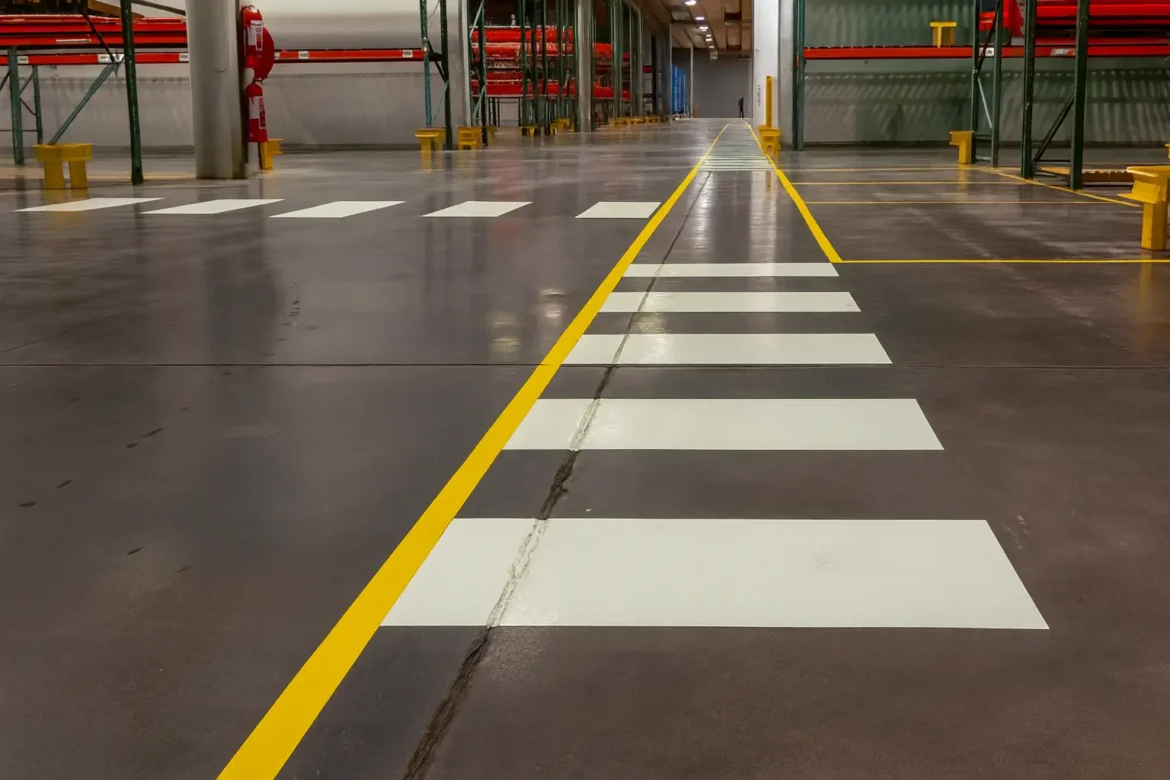
Modern infrastructure projects across Adelaide now focus heavily on safety, visibility, and long-term durability. Roads, warehouses, commercial facilities, and public spaces all require clear surface guidance to support daily operations. As transport systems and urban developments continue to grow, businesses and councils are adopting modern line marking solutions that improve traffic control, workplace safety, and overall infrastructure management across different environments.
Growing Demand for Durable Surface Markings
Modern infrastructure experiences constant vehicle movement and heavy public use. Because of this, many Adelaide projects now use long-lasting materials that can handle changing weather conditions and daily wear.
Thermoplastic coatings have become more common due to their durability and strong visibility during both day and night conditions. Reflective finishes also help improve road safety in high-traffic areas, pedestrian crossings, and car parks.
A key factor driving these upgrades is the increasing need to reduce maintenance disruptions. Durable markings help minimise repainting requirements and support better long-term cost management for councils and commercial property owners.
Smart Infrastructure Is Changing Surface Design
Infrastructure planning now includes smarter traffic systems and improved road guidance technologies. Modern transport projects rely on accurate road layouts that support safer movement for drivers, cyclists, and pedestrians.
Advanced line marking systems now work alongside traffic management strategies to improve lane guidance and reduce confusion on busy roads. Some projects also include markings designed to improve visibility for driver-assistance technologies used in newer vehicles.
To better support growing transport demands, Adelaide developments increasingly focus on clearer layouts and more organised traffic flow across public infrastructure projects.
Sustainable Materials Are Becoming More Common
Sustainability has become an important consideration in modern infrastructure planning. Many projects now prefer environmentally conscious materials that lower environmental impact while maintaining strong performance.
Water-based paints and low-VOC coatings are gaining popularity because they reduce harmful emissions during application. Long-lasting materials also help reduce waste by extending maintenance cycles.
This shift supports broader sustainability goals while still maintaining safety and compliance standards. Businesses and local authorities increasingly value infrastructure solutions that balance durability with environmental responsibility.
Specialised Markings Improve Workplace Safety
Industrial facilities now require more advanced safety layouts than traditional floor markings alone can provide. Warehouses, logistics centres, and manufacturing plants often depend on clearly marked operational zones to manage movement safely.
Modern industrial line marking helps separate pedestrian walkways, forklift paths, loading zones, and restricted areas. These markings improve organisation while reducing the risk of workplace incidents.
Coloured safety zones and anti-slip coatings are also becoming more common in industrial environments. These additions help improve visibility and support safer operations in busy workspaces.
Technology Is Improving Application Accuracy
Modern equipment has improved the precision and efficiency of marking projects across Adelaide. GPS-guided machinery and automated application systems allow contractors to complete projects with greater consistency.
These technologies help reduce errors and improve alignment accuracy on roads, car parks, and industrial sites. Faster application methods also reduce traffic disruptions and minimise downtime for commercial facilities.
As infrastructure projects continue to expand, accurate and efficient industrial line marking solutions will remain important for maintaining safety and operational efficiency.
Conclusion
Modern infrastructure across Adelaide now relies on smarter, more durable surface guidance systems. Safety, sustainability, and traffic efficiency continue shaping the future of marking projects in public and industrial spaces. As urban development continues, modern line marking solutions will continue to support safer roads, organised workplaces, and better infrastructure management throughout Adelaide’s expanding commercial and transport environments.
