
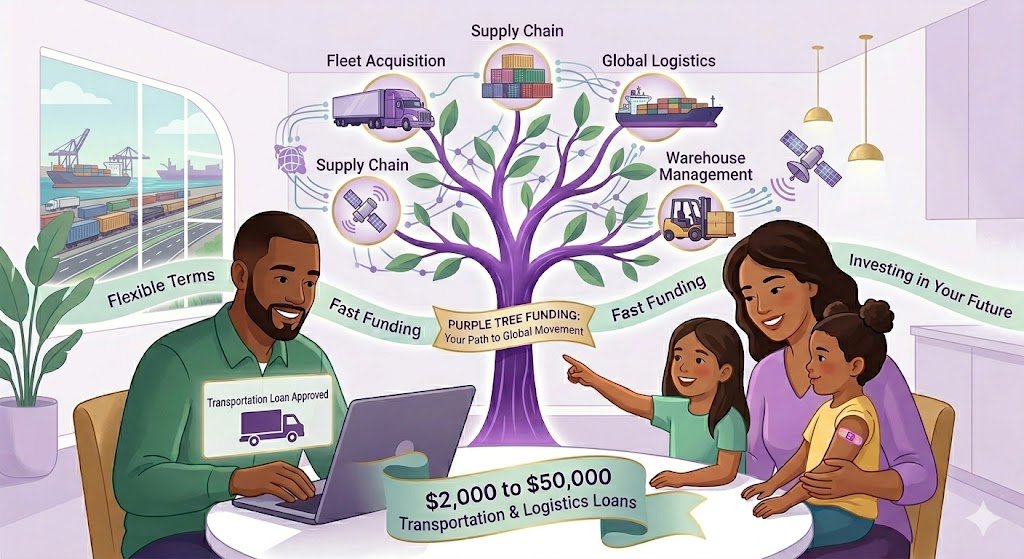
The transportation and logistics (T&L) industry forms the backbone of the global economy, moving goods and people across vast distances. For businesses operating within this dynamic and capital-intensive sector, accessing timely and adequate funding is not just a strategic advantage; it is often a operational necessity. From independent trucking owner-operators to large-scale supply chain management firms, having reliable capital is crucial for maintaining a competitive edge and capitalizing on new opportunities.
A dedicated Transportation & Logistics Loans provides the financial cornerstone for a business’s expansion. This specialized form of financing recognizes the unique economic profile and capital needs of T&L companies, offering solutions that traditional generic loans often cannot. In this definitive guide, we will explore the landscape of transportation and logistics loans, their varied applications, and how partnering with the right specialized lender can propel your company toward sustainable growth.
Understanding the Unique Financial Demands of Transportation & Logistics Loans
Lenders view the T&L sector differently than general commercial enterprises. This industry faces specific financial characteristics that require a nuanced approach to financing:
High Capital Intensity and Depreciating Assets: Operating a fleet—whether it’s trucks, ships, airplanes, or specialized warehouse equipment—requires immense upfront capital. Unlike other industries where assets might appreciate, T&L assets are expensive and depreciate quickly, demanding structured replacement cycles and constant reinvestment.
Volatile Operational Costs: Fuel price fluctuations, variable insurance rates, maintenance costs, and shifting regulatory compliance expenses create volatile and often unpredictable operating costs. Transportation & Logistics loans must offer flexibility to account for these inherent financial swings.
Cash Flow Irregularity: Billing cycles and payment terms can be long, particularly in multi-stage logistics operations. Companies often face significant delays between incurring operational expenses and receiving client payments, creating crucial cash flow gaps.
Seasonality and Economic Sensitivity: Demand in T&L is highly sensitive to broader economic cycles and specific seasonal peaks, such as the holiday shopping surge or agricultural harvest seasons. Funding solutions need to accommodate these predictable fluctuations.
Crucial Scenarios for Specialized Transportation & Logistics Funding
A specialized loan tailored for the T&L sector can be applied across a wide range of strategic and operational needs. Understanding your defined capital requirement is the first step in selecting the right financial product:
Fleet Acquisition and Upgrades
Acquiring new or pre-owned vehicles—from tractor-trailers to specialized delivery vans and refrigerated containers—is the primary use case for these loans. Financing can be applied to expand the fleet, replace aging equipment, or adopt more fuel-efficient and environmentally friendly alternatives, keeping your operations competitive.
Maintenance and Overhaul Financing
In the T&L sector, routine and emergency maintenance are significant expenses that directly impact operational reliability and compliance. Transportation & Logistics loans can fund engine overhauls, tire replacements, complex repairs, and mandatory safety inspections, preventing costly vehicle downtime.
Technological Integration and Advanced Systems
Achieving operational efficiency in modern logistics requires substantial technological investment. Loans are utilized for adopting AI-powered route optimization software, fleet telematics and GPS tracking systems, advanced warehouse management software (WMS), and improved client-facing booking and tracking platforms.
Operational Cash Flow Management
T&L firms face considerable overhead for labor, fuel, and regulatory fees. A specialized loan can act as a bridge, smoothing out lumpy cash flow and ensuring vital operational expenses are met while waiting for client payments or during a slow seasonal period.
Business Expansion and Infrastructure Development
Funding can be applied to expand your operational footprint, which may include acquiring another logistics firm, purchasing or renovating new terminal or warehouse facilities, and expanding into new geographical markets or service lines.
A Comprehensive Overview of Transportation & Logistics Loan Options
Businesses have several pathways to secure the capital they need. Understanding the nuances of each option is critical for making an informed decision:
Traditional Term Loans
Ideal for major asset purchases like heavy equipment or fleet acquisition, term loans provide a lump sum of capital with fixed interest rates and predictable monthly payments over a set period. They offer stability for long-term investments.
Business Lines of Credit
Deal with receivables-heavy cash flow gaps by drawing against an approved limit only as needed. This is one of the most valuable tools for T&L firms navigating lumpy billing cycles and erratic operational expenses. You only pay interest on what you draw.
Equipment Financing
For hardware, diagnostics tools, and tech infrastructure, this financing uses the equipment itself as collateral, which can sometimes make approval faster and easier than unstructured loans. Lenders may offer up to 100% financing, eliminating the need for a down payment.
Invoice Factoring and Receivables Financing
Convert outstanding invoices into immediate cash. Factoring companies purchase your accounts receivable at a discount, providing rapid capital infusion that is particularly beneficial for T&L companies waiting 30, 60, or 90 days for client payments.
SBA Loans (specifically SBA 7(a))
Partially guaranteed by the Small Business Administration, these loans offer favorable terms and lower interest rates for qualifying small T&L businesses looking to fund fleet expansion, working capital, or refinancing existing debt.
Key Requirements for Securing T&L Financing: What Specialized Lenders Seek
When assessing eligibility, specialized lenders look at a common set of factors, emphasizing affordability and experience:
Demonstrable Financial Stability: While credit scores are considered, specialized lenders now use advanced software to analyze real financial circumstances, moving beyond relying solely on credit reports. They prioritize evidence of strong, consistent revenue and the overall cash flow capability to service the loan.
Quality Business Records and a Solid Plan: Maintaining accurate, up-to-date financial statements and projections is imperative. A well-articulated business plan outlining exactly how the capital will be deployed to generate growth will significantly strengthen your application.
Industry Experience and a Diversified Client Base: Specialized lenders often look for a minimum amount of professional experience and post-qualification (e.g., DOT authority). A diversified customer base with a lower client concentration rate is always more appealing to a prospective lender.
D. Comprehensive Fleet and Operational Documentation: Be prepared to provide details about your current fleet (age, maintenance records), your DOT and FMCSA compliance history, and relevant operating authorities.
A Strategic Approach to Acquiring Funding for Your Logistics Business
Achieving optimal results requires a structured approach to the application process:
Step 1: Define Your Strategic Goal and Capital Need Before applying, get an itemized estimate for what you are funding. If purchasing new vehicles, understand total costs—including maintenance, licensing, and insurance. Define whether this capital is for immediate stabilization or long-term growth.
Step 2: Assess and Optimize Your Company’s Financial Health Use a dedicated Transportation & Logistics loans calculator from a reputable lender to analyze different loan amounts and repayment terms that fit your anticipated cash flow. Ensure your business records are impeccable.
Step 3: Partner with a Specialized Lender Do not waste critical time on slow, traditional bank approval processes. Seek a lender that understands considerable overheads come with being in this sector. Seek ‘soft’ pre-approval to get a baseline without affecting your credit score.
Step 4: Formalize and Accept Your Funding Once you select your terms, complete the full application and sign the agreement. Specialized lenders prioritized fast disbursement, allowing you to finalize your asset acquisition and invest immediately.
Step 5: Prioritize Implementation and Growth With funding secured, you can focus on the most important step: executing your operational goals and achieving your optimized growth outcome.
Conclusion
Navigating the growth of a transportation or logistics firm is complex, and the timing of capital is often as vital as the capital itself. A dedicated Transportation & Logistics loan provides the financial cornerstone for a company’s expansion. The right financial solution allows you to stay ahead of market shifts, from rising operating costs to adopting advanced fleet telematics. Partnering with a specialized lender that understands considerable overheads come with being in this sector ensures you have the flexible solutions and compassionate support needed to capitalize on new opportunities and thrive. For T&L companies looking for reliable, scalable, and tailored financing that catalyzes growth, Purple Tree Funding is dedicated to providing the specialized solutions that empower businesses to succeed. Our team prioritized efficiency, predictability, and personalized service, ensuring you have the solid financial foundation to keep your business moving forward. Contact us today to learn how our specialized loans can empower your vision.
