
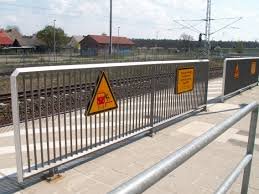
Proper maintenance of road safety signs plays an important role in traffic management across Australia. Clear and visible signs help drivers respond safely to speed limits, warnings, pedestrian crossings, and road conditions. Damaged or faded signs can reduce visibility and create confusion, especially during poor weather or low-light conditions. Regular maintenance helps councils, contractors, and road operators keep roads safer while meeting Australian traffic safety requirements.
Carry Out Regular Inspections
Routine inspections help identify problems before they create safety risks. Road authorities and maintenance teams should inspect signs at scheduled intervals, especially on high-traffic roads and construction zones. Important areas to inspect are:
- Surface Condition: Check for signs of fading, cracks, dents, corrosion, and peeling.
- Reflective Performance: Ensure reflective materials remain visible at night and during wet weather.
- Obstructions: Identify trees, parked vehicles, or temporary structures blocking visibility.
- Mounting Stability: Inspect poles, brackets, and fasteners for looseness or damage.
Regular inspections help maintain compliance with Australian road safety standards and improve sign reliability.
Clean Signs to Maintain Visibility
Dust, mud, pollution, and bird droppings can reduce sign visibility over time. Regularly cleaning signs helps drivers read instructions clearly from a safe distance. Maintenance teams should use suitable cleaning methods such as:
- Soft Cleaning Materials: Use non-abrasive cloths and mild cleaning solutions.
- Safe Water Pressure: Avoid excessive pressure that may damage reflective coatings.
- Graffiti Removal: Remove stickers, paint marks, and graffiti quickly to maintain readability.
- Scheduled Cleaning: Increase cleaning frequency in coastal, industrial, or high-pollution areas.
Well-maintained signs remain easier to read during both daytime and nighttime driving conditions.
Replace Worn or Damaged Signs on Time
Damaged signs can affect driver response times and increase road safety risks. Faded colours, unclear lettering, and damaged reflective surfaces reduce the effectiveness of road safety signs on Australian roads. Signs exposed to strong sunlight, heavy rain, and fluctuating temperatures may wear out faster.
Maintenance teams should replace signs once visibility drops below acceptable levels. Bent signs, cracked panels, and damaged supports should also receive immediate attention. Timely replacement helps maintain proper traffic guidance and supports safer driving conditions in urban and regional areas.
Check Sign Positioning and Stability
Correct positioning helps drivers notice and understand signs without delay. During maintenance checks, teams should confirm the following points:
- Correct Height: Ensure signs remain at approved installation heights.
- Proper Alignment: Check that signs face approaching traffic correctly.
- Stable Supports: Inspect poles and brackets for movement due to weather or vehicle impacts.
- Clear Sight Distance: Confirm that drivers can see signs early enough to respond safely.
Proper positioning improves visibility and helps reduce confusion at intersections, curves, and pedestrian crossings.
Protect Signs from Weather and Environmental Damage
Australian weather conditions can affect traffic signs throughout the year. Exposure to strong sunlight, moisture, rain, and dust may reduce sign durability over time. Using corrosion-resistant materials and reflective coatings helps extend service life and lower maintenance costs.
Road operators also use protective equipment in high-risk areas. In many locations, safety barriers help reduce vehicle impact near signs, work zones, and roadside hazards. Combining protective equipment with regular maintenance supports safer road conditions.
Conclusion
Regular inspections, cleaning, replacement, and positioning checks help traffic signs remain visible and effective. Proper maintenance supports safer driving conditions and reduces risks for all road users. Consistent upkeep also improves the working life of traffic safety equipment across Australian roads.
