
Modern industries are rapidly evolving, and the demand for safer, more efficient, and long-lasting electrical infrastructure is higher than ever. From commercial buildings to large-scale industrial setups, every system today depends on materials that can deliver both performance and reliability under continuous stress. This is where aluminium has emerged as a game-changer.
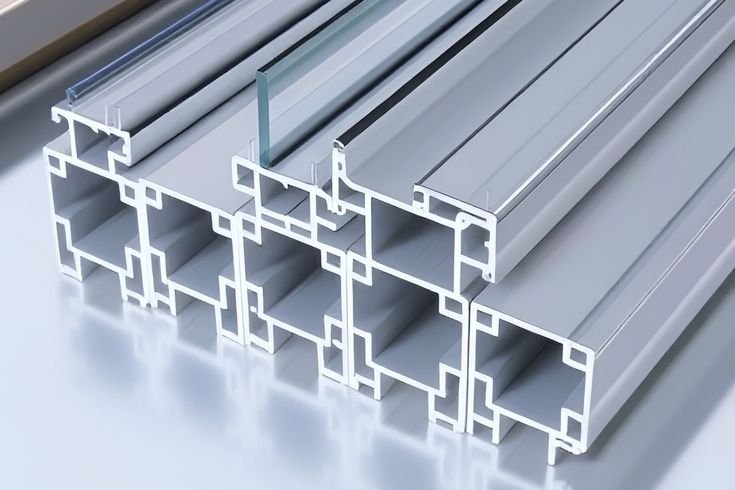
One of the biggest reasons behind this shift is the increasing use of electrical aluminium profiles, which are helping engineers design systems that are not only lightweight but also highly durable and thermally efficient. These profiles are reshaping how electrical frameworks are built by offering better conductivity support, corrosion resistance, and structural precision. For businesses and engineers, this means reduced maintenance costs, improved safety standards, and longer operational life of installations.
In today’s competitive industrial environment, even small improvements in material efficiency can lead to significant long-term benefits. That is why more manufacturers, builders, and system designers are shifting towards aluminium-based solutions that ensure consistent performance while keeping structures optimised and cost-effective.
Why Aluminium is Becoming Essential in Electrical Engineering
Aluminium has steadily replaced many traditional materials due to its balanced combination of strength, weight, and conductivity support. Unlike heavier metals, it offers easier installation and better adaptability in complex electrical systems.
Another important factor is its ability to perform well under varying environmental conditions. Whether used in indoor panels or outdoor installations, aluminium maintains stability and reduces the risk of degradation over time. This makes it a preferred choice for modern infrastructure projects where long-term reliability is critical.
In many industrial setups, an aluminium profile is used as a foundational component because it provides structural consistency while allowing flexibility in design modifications. This adaptability is especially valuable in electrical frameworks that require precision alignment and modular construction.
Key Advantages of Precision Aluminium Solutions
Precision-engineered aluminium is not just about material selection; it is about achieving accuracy in design and performance. Manufacturers today focus on creating highly customised components that meet specific electrical and industrial requirements.
Some of the major advantages include:
- Lightweight structure that simplifies installation and reduces load on frameworks
- High corrosion resistance, ensuring durability in harsh environments
- Excellent thermal management, helping prevent overheating in electrical systems
- Strong mechanical stability with long operational lifespan
- Easy customization for complex electrical layouts
These benefits collectively make aluminium-based solutions highly suitable for industries that prioritise efficiency, safety, and cost control.
Applications Across Modern Industries
The versatility of aluminium allows it to be used across multiple sectors beyond just electrical systems. From automation to construction, its role continues to expand as industries look for smarter engineering materials.
In electrical infrastructure, precision components like channels, housings, and mounting systems are increasingly built using advanced aluminium technology. In fact, the use of electrical aluminium profiles in large-scale installations has significantly improved system organisation and safety standards, especially in environments where space optimisation and heat control are critical.
Common application areas include:
- Electrical control panels and enclosures
- Industrial automation systems
- Renewable energy installations such as solar structures
- HVAC system frameworks
- Transportation and mobility systems
Each of these applications benefits from aluminium’s balance of strength and lightweight performance, making it one of the most reliable materials in modern engineering.
The Role of Engineering Precision in Performance
What truly sets modern aluminium solutions apart is the level of precision involved in their manufacturing. Advanced extrusion and fabrication techniques allow manufacturers to produce components that meet strict dimensional accuracy and performance standards.
This precision ensures that every component fits seamlessly into complex electrical systems, reducing installation errors and improving overall system efficiency. It also supports modular design approaches, where components can be easily replaced or upgraded without redesigning the entire system.
As industries continue to move toward automation and smart infrastructure, the demand for reliable and adaptable materials will only increase further.
Sustainability and Long-Term Value
Apart from performance benefits, aluminium also contributes significantly to sustainability goals. It is highly recyclable and retains its core properties even after multiple recycling cycles without losing strength or quality. This makes it an environmentally responsible choice for industries aiming to reduce their carbon footprint and move toward greener, more efficient manufacturing practices.
Additionally, its long service life reduces the need for frequent replacements, repairs, or maintenance, which in turn lowers material waste, downtime, and overall operational costs. In large-scale industrial and electrical applications, this reliability becomes especially important because even minor interruptions can lead to significant inefficiencies.
For modern businesses, this combination of durability, recyclability, and sustainability adds long-term financial and environmental value. It not only supports cost savings over time but also helps organisations align with global sustainability standards and future-ready infrastructure goals.
Conclusion
As industries continue to evolve, the importance of efficient and reliable materials in electrical infrastructure cannot be overstated. Precision-engineered aluminium has proven to be a key enabler in this transformation, offering unmatched versatility, durability, and performance.
With growing demand for smarter systems, the use of advanced aluminium-based solutions is expected to expand even further, supporting next-generation engineering applications across multiple sectors. At the same time, the adaptability of modern aluminium components ensures that designers and engineers can continue innovating without limitations.
Ultimately, aluminium is not just a material choice; it is a foundation for the future of modern electrical and industrial systems.
Industries today rely on high-quality aluminium solutions to build efficient, durable, and reliable systems across electrical and engineering applications. JM Aluminium is a leading manufacturer specialising in aluminium extrusion and precision-engineered profile solutions for diverse industrial needs. With a focus on quality and innovation, the company delivers products that support performance, efficiency, and long-term reliability in modern infrastructure.
