
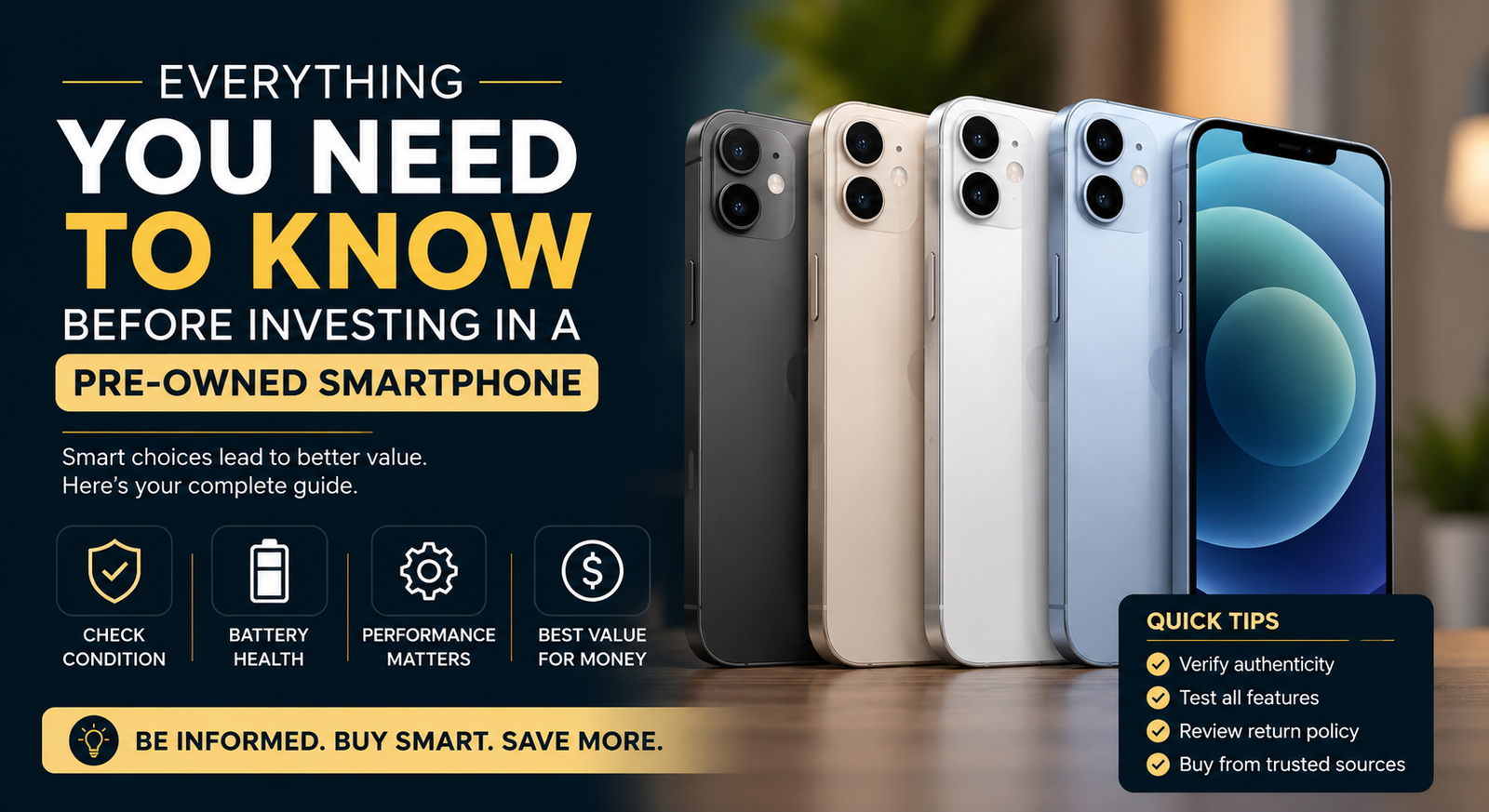
The demand for pre-owned iPhones has grown significantly in recent years as consumers look for premium smartphones at more affordable prices. Apple devices are known for their durability, long software support, and high resale value, making used iPhones an attractive option for buyers who want quality without paying the full retail price. However, purchasing a pre-owned iPhone requires careful consideration to ensure you get a device that meets your expectations and provides long-term value. Understanding the key factors involved can help you make a smart investment and avoid costly mistakes.
NOTE :- The demand for Used iPhone UAE had increased as consumers looked for cost-effective alternatives to new devices. Buyers had benefited from significant savings without compromising on quality. Many had chosen GLP Wireless because of its commitment to providing dependable pre-owned iPhones. Reach out to GLP Wireless for expert assistance.
Why Pre-Owned iPhones Are Popular
One of the primary reasons buyers choose pre-owned iPhones is affordability. A used iPhone can cost significantly less than a brand-new model while still offering excellent performance and access to Apple’s ecosystem. Since Apple provides software updates for many years, even older iPhone models remain functional and secure.
In addition to cost savings, purchasing a pre-owned device is an environmentally responsible choice. Extending the lifespan of electronic devices helps reduce electronic waste and supports sustainable consumption practices. Many consumers now prefer refurbished or used smartphones as a way to minimize their environmental impact.
Understanding Different Categories of Pre-Owned iPhones
Not all pre-owned iPhones are the same. Buyers should understand the different categories available in the market before making a purchase.
A used iPhone is typically sold by an individual or reseller in its current condition. These devices may show signs of wear but often offer the lowest prices.
A refurbished iPhone has been inspected, repaired if necessary, and tested to ensure proper functionality. Refurbished devices are generally more reliable and may include warranties, making them a safer choice for many buyers.
Certified pre-owned iPhones undergo strict quality checks and are often sold by authorized sellers. These devices usually come with additional assurances regarding performance and authenticity.
Checking the Physical Condition
The physical condition of a pre-owned iPhone plays a major role in determining its value and usability. Carefully inspect the device for scratches, dents, cracks, or signs of impact damage. While minor cosmetic wear may not affect performance, significant damage could indicate underlying issues.
Pay special attention to the display. The screen should respond smoothly to touch inputs without dead pixels, discoloration, or visible defects. Inspect the camera lenses, buttons, charging port, and speakers to ensure they are functioning correctly.
A thorough visual inspection can help identify potential concerns before finalizing the purchase.
Evaluating Battery Health
Battery performance is one of the most important factors to consider when buying a pre-owned iPhone. Over time, lithium-ion batteries naturally lose their ability to hold a charge effectively.
Apple provides a battery health feature that shows the maximum battery capacity compared to when the device was new. Ideally, buyers should look for devices with battery health above 85 percent. A lower percentage may result in reduced battery life and could require a replacement sooner.
A healthy battery enhances the overall user experience and helps ensure reliable daily performance.
Verifying Authenticity and Activation Status
Before purchasing a pre-owned iPhone, it is essential to verify that the device is genuine and not locked to a previous owner’s account. Activation Lock is a security feature linked to Apple’s Find My service. If the previous owner has not removed the device from their account, the phone may become unusable.
Request the device’s IMEI or serial number and verify its details. The information should match the model being sold. Checking the activation status can help prevent purchasing a locked or unauthorized device.
Authenticity verification also helps ensure that all components are genuine Apple parts and that the device has not been modified improperly.
Confirming Software Compatibility
Although older iPhones can still perform well, buyers should ensure the device supports the latest iOS updates or will continue receiving updates for a reasonable period. Software updates provide security improvements, bug fixes, and new features that enhance usability.
An iPhone that continues to receive official updates will generally offer a better user experience and maintain its value longer than a model nearing the end of its support cycle.
Researching the model’s software compatibility can help you choose a device that remains relevant for years to come.
Comparing Prices and Market Value
Price comparison is crucial when investing in a pre-owned iPhone. Different sellers may offer varying prices depending on the device’s condition, storage capacity, age, and included accessories.
Research current market rates for the specific model you are considering. If a deal appears significantly cheaper than average, it may indicate hidden issues or potential fraud. Conversely, an overpriced device may not provide good value compared to newer alternatives.
Balancing condition, warranty coverage, and pricing helps ensure you receive the best return on your investment.
Understanding Warranty and Return Policies
Whenever possible, choose sellers that offer warranties or return periods. A warranty provides additional protection if hardware problems arise after purchase. Return policies allow buyers to test the device and ensure it meets expectations.
Reputable sellers often provide clear documentation regarding warranty terms, inspection reports, and device condition. These protections can offer valuable peace of mind and reduce purchasing risks.
Choosing a Trusted Seller
The reliability of the seller is just as important as the condition of the iPhone itself. Established retailers, certified refurbishers, and reputable online marketplaces typically provide better quality assurance than unknown sources.
Review seller ratings, customer feedback, and transaction histories before making a purchase. Transparent communication and detailed product descriptions are positive indicators of a trustworthy seller.
A reliable seller can significantly reduce the likelihood of encountering counterfeit devices or undisclosed defects.
Conclusion
Investing in a pre-owned iPhone can be an excellent way to enjoy premium Apple technology while saving money. However, buyers should carefully evaluate factors such as physical condition, battery health, authenticity, software support, pricing, and seller reputation. Taking the time to research and inspect a device thoroughly can help you avoid common pitfalls and secure a smartphone that delivers reliable performance and long-term value. With the right approach, a pre-owned iPhone can be a smart and cost-effective investment that meets both your budget and technology needs.
For More Insightful Articles Related To This Topic, Feel Free To Visit: https://zoobynews.com/
