
Ear, nose, and throat health affects breathing, hearing, balance, speech, swallowing, and sleep quality. ENT specialists, also known as otolaryngologists, diagnose and treat conditions involving the ears, nose, throat, sinuses, voice box, head, and neck.
In the middle of symptoms such as recurring ear infections, blocked sinuses, hearing problems, dizziness, snoring, throat discomfort, or voice changes, seeing an ENT doctor in the UK can help patients understand the cause and receive suitable treatment. ENT care may involve simple medical treatment, diagnostic tests, lifestyle advice, minor procedures, or surgery, depending on the condition and severity.
Common Conditions Treated by ENT Doctors
ENT doctors manage a wide range of adult and paediatric conditions. Ear-related problems may include ear infections, earwax blockage, tinnitus, hearing loss, balance disorders, and eardrum issues. Nose and sinus problems often include sinusitis, nasal polyps, allergic rhinitis, deviated septum, nosebleeds, and smell disorders.
Throat-related concerns may include tonsillitis, swallowing difficulty, hoarseness, acid reflux-related throat irritation, snoring, sleep apnoea, and neck lumps. Some ENT specialists also focus on head and neck conditions, thyroid problems, facial plastic surgery, or paediatric ENT care. ENT UK allows patients to search for surgeons by postcode and specialty areas such as otology, rhinology, laryngology, head and neck surgery, and paediatrics.
When to See a Specialist?
Many mild ear, nose, and throat symptoms improve with basic treatment or GP advice. However, specialist assessment may be needed when symptoms are persistent, recurrent, severe, or affecting daily life. For example, long-term blocked sinuses, repeated tonsillitis, ongoing dizziness, sudden hearing changes, chronic ear discharge, or unexplained voice changes should not be ignored.
An ENT doctor in the UK can carry out targeted examinations and recommend investigations where needed. Depending on the symptoms, this may include hearing tests, nasal endoscopy, throat examination, allergy assessment, imaging, balance testing, or blood tests. Early assessment can help reduce the risk of complications and may prevent symptoms from becoming harder to manage.
What Happens During an ENT Appointment?
A first ENT appointment usually begins with a detailed discussion about symptoms, medical history, previous treatment, lifestyle factors, allergies, medications, and any relevant family history. The doctor may then examine the ears, nose, throat, neck, and related areas.
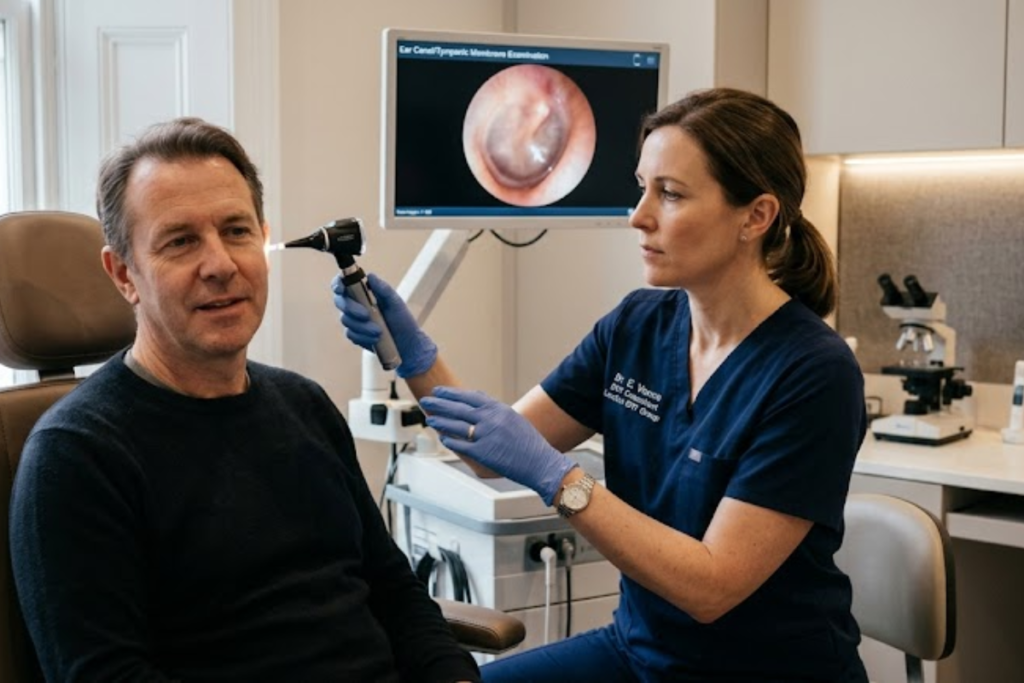
For nasal or throat symptoms, a flexible endoscope may be used to view areas that cannot be seen clearly with a basic examination. For ear concerns, the doctor may use an otoscope or microscope and may request hearing tests. An ENT doctor in the UK may also explain whether the condition can be managed with medicine, monitoring, minor treatment, or surgery.
How to Choose the Right ENT Doctor?
Choosing the right specialist involves more than finding the closest clinic. Patients should consider the doctor’s area of expertise, professional qualifications, hospital access, patient communication style, and experience with the specific condition. ENT is a broad field, so a patient with sinus disease may benefit from a rhinology specialist, while someone with hearing loss may need an otology-focused consultant.
It is also helpful to check whether the clinic offers diagnostic tests on site. This can make the process smoother because patients may receive assessment and results more quickly. Clear explanations are important, especially when comparing medical treatment, watchful waiting, or surgical options.
Questions to Ask Before Treatment
Patients should feel comfortable asking questions before starting treatment. Useful questions include what may be causing the symptoms, what tests are needed, whether the condition is likely to improve on its own, and what treatment options are available.
If surgery is suggested, patients should ask about benefits, risks, recovery time, alternatives, anaesthesia, follow-up appointments, and expected outcomes. A good specialist will explain options clearly and help patients make informed decisions. This is especially important when symptoms affect sleep, work, communication, or confidence.
ENT Care for Children
Children often need ENT support for recurring ear infections, glue ear, tonsillitis, snoring, hearing issues, speech delay linked to hearing problems, and breathing difficulties. Paediatric ENT care requires careful assessment because symptoms can affect learning, sleep, growth, and development.
Parents should seek advice if a child has repeated infections, poor hearing, mouth breathing, loud snoring, frequent tonsil problems, or delayed speech. ENT specialists with paediatric experience can recommend suitable investigations and treatments while considering the child’s age, comfort, and long-term health.
Maintaining Ear, Nose, and Throat Health
Simple habits can support ENT health. Avoid inserting cotton buds deep into the ears, manage allergies properly, stay hydrated, avoid smoking, treat reflux where present, and seek advice for persistent infections. People exposed to loud noise should use hearing protection to reduce the risk of noise-related hearing loss.
For sinus and throat health, good hydration, allergy control, and avoiding irritants can help reduce recurring symptoms. However, self-care should not replace medical advice when symptoms are ongoing, worsening, or unusual.
Conclusion
ENT specialists play an important role in diagnosing and treating conditions that affect hearing, breathing, sleep, swallowing, voice, balance, and quality of life. Choosing the right specialist depends on symptoms, urgency, expertise, diagnostic access, and the level of care required. For patients who want faster access, flexible appointment options, or consultant-led care, private ENT services may be worth considering in the middle of their healthcare journey. Whether through the NHS or private care, seeing an ENT doctor in the UK can help patients receive an accurate diagnosis, clear guidance, and suitable treatment for ear, nose, and throat concerns.
