
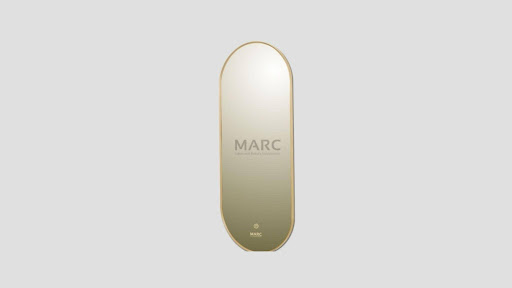
Mirrors are one of the most important elements in any salon setup, influencing not only how a space looks but also how efficiently stylists can work. The right mirror setup improves visibility, supports precision during styling, and enhances the overall client experience from the moment they sit at a station. When selecting mirrors for a beauty salon, size becomes a key decision factor because it directly affects comfort, lighting balance, and station functionality.
A well-chosen mirror helps create a professional environment where both the stylist and client can clearly see results throughout the service. Poor sizing, on the other hand, can make even a well-designed salon feel cramped or visually unbalanced, impacting both workflow and presentation quality.
Understanding the Role of Mirror Size in Salon Stations
The size of a salon mirror influences how spacious, bright, and professional a station feels. Oversized mirrors can overwhelm compact spaces, while small mirrors may limit visibility and usability during styling. A well-proportioned mirror supports better posture for stylists and creates a balanced visual frame for clients.
When selecting mirrors, salon owners should consider:
- Station width and layout spacing
- Height of the styling chair
- Ceiling height and lighting placement
- Distance between the mirror and the client’s seating
- Type of services offered (cutting, coloring, styling)
Standard Mirror Size Guidelines for Salon Stations
Salon mirrors are generally categorized based on station dimensions and service type. The goal is to maintain proportion while maximizing visibility.
- Small Stations (compact salons): Medium-sized vertical mirrors work best to avoid crowding.
- Medium Stations: Full-length rectangular mirrors create a balanced look and improve workspace visibility.
- Large Stations: Wide-panel mirrors enhance luxury appeal and allow dual-client viewing setups.
Proper sizing ensures that mirrors integrate seamlessly with furniture and lighting arrangements.
Factors That Influence Mirror Size Selection
Selecting mirrors for a beauty salon is not only about design preference but also functional requirements. Several practical factors must be evaluated before installation:
1. Station Layout and Spacing
Each styling station must have enough room for movement and visibility. Narrow layouts typically work better with vertically aligned mirrors that keep the focus centered without occupying excessive wall width. Wider layouts allow for broader mirror installations that enhance openness.
2. Lighting Conditions
Lighting plays a major role in how mirrors perform. Properly sized mirrors help distribute both natural and artificial light evenly across the station. This reduces shadows and improves visibility during precision-based tasks such as hair cutting or color application.
3. Client Viewing Angle
A well-sized mirror ensures clients can comfortably view their entire hairstyle without needing to shift position frequently. This improves comfort and helps them stay engaged in the service experience.
4. Stylist Working Position
Ergonomic alignment is essential in salon design. The mirror should support a natural working posture so stylists can focus on their work without repeated adjustments or strain during long sessions.
These considerations help create a balanced environment that enhances both functionality and visual appeal.
Importance of Design Alongside Size
While size determines functionality, design influences overall salon branding and customer perception. Modern salons often integrate framed, frameless, LED-lit, or decorative mirror styles depending on their interior theme.
A well-planned salon mirror design contributes to:
- Strong visual branding
- Enhanced lighting reflection
- Better customer experience
- Professional and modern aesthetics
Design and size must work together to maintain consistency across all stations.
Placement Strategy for Salon Mirrors
Even the correct mirror size can underperform if placement is incorrect. Proper alignment ensures optimal usage and visual harmony.
Key placement guidelines include:
- Center mirror at the eye level of the seated client
- Maintain uniform spacing between stations
- Avoid direct glare from overhead lights
- Ensure symmetry across all stations
Strategic placement improves workflow efficiency and creates a structured salon environment.
Material and Frame Considerations
Mirror durability is as important as size. High-traffic salons require materials that withstand frequent cleaning and continuous use.
Common options include:
- Tempered glass for safety and durability
- Anti-fog coatings for high-moisture environments
- Metal or wooden frames for design consistency
- Frameless mirrors for modern minimalist interiors
Selecting the right combination ensures long-term performance and visual stability.
Finding the Right Balance Between Function and Visual Appeal
A successful salon setup works best when practical usability and visual appeal come together in a well-planned way. Mirror size plays a key role in achieving this balance as it affects both stylist efficiency and client comfort. If the mirror is too large, it can overpower the station and make the space feel crowded, while a smaller mirror may limit visibility and affect precision during styling tasks.
A balanced approach ensures the mirror fits naturally into the station layout, supporting clear visibility and smooth workflow. It also helps maintain a clean, structured look that keeps the environment visually inviting, allowing both stylists and clients to feel comfortable throughout the experience.
Common Mistakes to Avoid When Choosing Mirrors
Many salon owners make errors that affect long-term usability. These include:
- Choosing oversized mirrors for small stations
- Ignoring lighting reflection angles
- Over-prioritizing design over functionality
- Uneven mirror sizing across stations
- Poor wall mounting height decisions
Avoiding these mistakes ensures consistency and better operational flow.
Maintenance and Long-Term Care
Mirrors in salons are exposed to constant use, moisture, and product residues. Regular maintenance helps preserve clarity and appearance.
Maintenance practices:
- Daily cleaning with non-abrasive solutions
- Regular inspection for edge damage
- Proper sealing in humid environments
- Avoiding harsh chemical contact
Well-maintained mirrors enhance the overall salon impression and last significantly longer.
Conclusion
Choosing the right mirror size for salon stations is a blend of measurement accuracy, design planning, and functional understanding. When executed well, it enhances both stylist efficiency and client experience while strengthening the overall salon identity.
Brands like MARC Salon Furniture continue to support professional salon environments by offering high-quality equipment designed for modern styling needs, including precision-focused tools, durable station accessories, and industry-ready solutions. Their approach aligns with evolving salon standards and professional performance expectations, while design elements such as round mirror design further contribute to creating balanced and visually refined styling spaces.
