
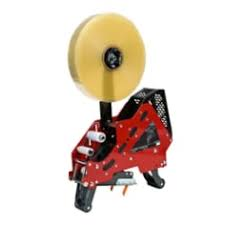
Case sealing equipment is widely used in packaging lines where cartons need consistent top and bottom tape application. A 3m taper is commonly associated with case sealing machines and taping heads that apply pressure-sensitive tape to corrugated boxes. Understanding how these systems work helps maintenance teams identify wear points, improve uptime, and keep packaging operations running smoothly.
How a Case Sealer Works
A case sealer moves cartons through a machine while applying tape to the top, bottom, or both sides of the box seam. Some machines are adjustable for one box size, while random case sealers can handle different carton sizes with less manual setup. These systems are useful in warehouses, distribution centers, fulfillment operations, and manufacturing plants.
Random case sealers can automatically adjust to different box heights and widths, making them useful when packaging lines handle mixed carton sizes. Some models can handle up to 24 different case sizes per minute, depending on machine design and operating conditions. This automation reduces manual taping and improves consistency.
Taping Head Function
The taping head is the part of the machine that applies tape to the carton. It feeds tape from the roll, controls tension, applies the tape to the box, cuts it, and presses it down for a secure seal. A well-maintained taping head is essential because poor tape application can cause open cartons, wasted tape, and production delays.
AccuGlide taping heads are designed to apply packaging tape quickly and accurately using a low-impact curvilinear design. The design helps seal cases with minimum force, which can protect lightweight cartons and contents during taping. In a 3m taper, the taping head is one of the most important assemblies to inspect regularly.
Common Wear Parts
Case sealers contain parts that wear over time because they contact tape, cartons, belts, rollers, and moving mechanisms. Typical wear parts may include blades, belts, springs, rollers, bearings, tension parts, and guides. If these parts become dull, loose, dirty, or misaligned, sealing quality may decline.
Replacement part guidance notes that case sealers have wear parts such as blades, belts, springs, and rollers. Keeping correct replacement parts available can help reduce downtime and prevent small issues from becoming larger mechanical problems. Preventive replacement is often better than waiting for a breakdown during peak production.
Tape Cutting and Blade Care
The cutting blade must stay sharp and clean to cut tape properly. Adhesive buildup, dull edges, or misalignment can cause stringy tape cuts, missed cuts, or uneven tape tails. This can lead to weak seals or tape wrapping around machine parts.
Some case sealer designs include blade oilers to help prevent adhesive buildup. Operators should inspect the blade area carefully and follow lockout procedures before cleaning or replacing parts. A dull blade may seem minor, but it can create repeated carton defects across an entire shift.
Belt and Roller Performance
Belts and rollers move cartons through the sealer. If belts lose grip or rollers become worn, boxes may shift during taping. This can cause off-center tape placement, wrinkles, uneven pressure, or jams.
Drive belts and rollers should be checked for wear, tension, alignment, and contamination. Dust, cardboard fibers, and adhesive residue can reduce traction. For a 3m taper, consistent carton movement is just as important as the taping head because the tape must be applied at the right position and pressure.
Tape Tension and Threading
Tape tension affects how smoothly the tape feeds through the head. Too much tension can stretch or break tape, while too little tension can create wrinkles, loose application, or poor adhesion. Threading the tape correctly through the head is also essential.
The AccuGlide 2+ taping head includes an open tape path for easier threading and a friction brake drum that maintains proper tape tension and helps prevent overcoasting. Manuals also recommend referring to detailed threading instructions and sketches when loading the taping head, especially during initial use. Correct threading reduces waste and improves seal quality.
Maintenance Documentation
Parts manuals and diagrams are valuable for maintenance teams because they help identify assemblies, part numbers, and service steps. They are especially useful when ordering replacement parts or troubleshooting less obvious issues. A clear diagram can prevent incorrect part replacement and reduce repair time.
Manual listings for the 700R random case sealer include parts diagrams, spare parts lists, preventive maintenance charts, assembly drawings, and checklist information. Official owner manuals also state that instructions and parts list manuals are included with each machine. This documentation supports accurate repairs and planned maintenance.
Conclusion
Case sealing machines depend on many small parts working together, including taping heads, blades, belts, rollers, springs, and tension controls. For any 3m taper, understanding key machine components is essential for safer operation, better carton sealing, and more reliable packaging performance. Regular inspection, correct tape threading, clean cutting blades, and proper replacement parts can improve sealing consistency and reduce downtime.
