
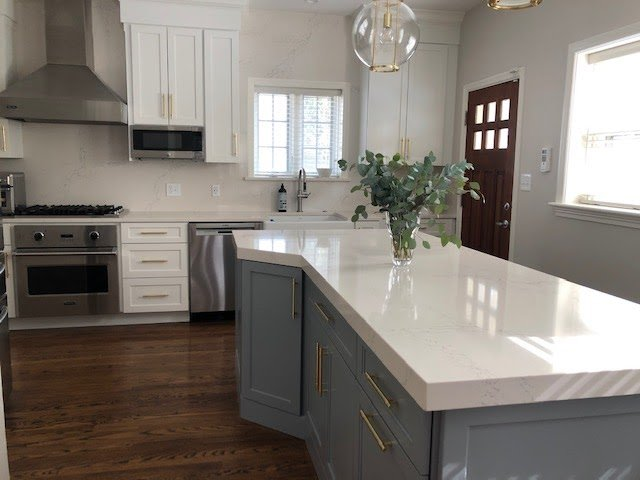
Stone surfaces have become a defining feature in modern kitchens and interior design due to their durability, aesthetics, and long-term performance. Among the most popular engineered stone options are classic quartz countertops, which are widely used in both residential and commercial spaces. Quartz surfaces are manufactured using a combination of natural quartz crystals and resins, resulting in a non-porous and highly durable material that resists staining, scratching, and moisture absorption.
The appeal of these countertops lies in their balance between natural stone aesthetics and engineered performance. Unlike natural stone, quartz does not require sealing and offers consistent patterns and colours, making it easier to integrate into modern design schemes. Quartz is widely considered a low-maintenance surface that retains its appearance over time with minimal upkeep.
Composition and Manufacturing of Quartz Surfaces
Quartz countertops are engineered using a high percentage of crushed natural quartz combined with polymer resins and pigments. This manufacturing process creates a dense and uniform slab that mimics the look of natural stone while offering improved durability. Typically, quartz surfaces contain around 90–93% natural quartz, with the remaining percentage consisting of binding agents and colour additives.
The controlled manufacturing process allows for a wide variety of finishes, including marble-effect veining, solid colours, and textured designs. Collections such as the Classic Range include multiple aesthetic variations designed to suit different interior styles, from minimalistic modern kitchens to more traditional designs.
Advantages of Classic Quartz Countertops
One of the main reasons homeowners and designers choose classic quartz countertops is their performance in everyday use. Quartz is non-porous, which means it does not absorb liquids or harbour bacteria, making it a hygienic choice for kitchens and bathrooms. It is also highly resistant to stains caused by coffee, wine, oils, and food acids.
Key benefits include:
- High resistance to scratches and surface damage
- No sealing or special maintenance required
- Consistent colour and pattern across slabs
- Strong resistance to moisture and staining
- Long-lasting structural durability
Design Applications in Modern Kitchens
In interior design, countertops are often used to create seamless and elegant kitchen environments. Their uniform appearance allows designers to match them easily with cabinetry, flooring, and backsplash materials. Quartz surfaces are especially popular in contemporary kitchens where clean lines and minimalistic aesthetics are preferred.
The availability of marble-inspired designs within quartz ranges allows homeowners to achieve a luxury stone look without the maintenance challenges of natural marble. This has made quartz a preferred alternative in modern renovation projects.
Comparing Quartz with Natural Stone Options
While quartz is engineered for consistency and ease of use, natural stones such as granite remain popular for their unique patterns and organic variations. Granite is formed naturally, and each slab has distinct veining and mineral composition, making every installation unique.
A notable natural alternative is the Nero Impala granite, which is known for its dark, speckled appearance and strong durability. Granite generally offers higher heat resistance compared to quartz, but requires periodic sealing to maintain its stain resistance. This makes it more maintenance-intensive compared to engineered quartz surfaces.
Both materials are widely used in kitchen design, and the choice often depends on whether the priority is maintenance convenience (quartz) or natural uniqueness (granite).
Durability and Long-Term Performance
Quartz surfaces are designed for long-term use and can last for decades when properly maintained. Their engineered composition ensures uniform strength throughout the slab, reducing the risk of cracks or inconsistencies. However, like most stone surfaces, quartz is not completely heat-proof, and the use of trivets or heat pads is recommended to avoid thermal damage.
Conclusion
Classic quartz countertops remain one of the most reliable and visually appealing options for modern interiors due to their durability, consistency, and low maintenance requirements. They provide a practical solution for homeowners seeking long-lasting performance without compromising on design flexibility.At the same time, natural stone options such as the Nero Impala granite worktop continue to be valued for their unique appearance and natural strength. The decision between quartz and granite ultimately depends on personal preference, maintenance expectations, and design goals, making both materials relevant in contemporary interior design.